Discover how to choose the best hotel in Whistler Village, from slopeside lodges and spa resorts to family-friendly suites, with tips on room types, locations, seasonality, parking and pet policies.
Staying in the heart of Whistler Village
Snow crunches underfoot on Village Stroll, and you are less than five minutes on foot from the base of Whistler and Blackcomb. That is the essential promise of a hotel in Whistler Village: step out of the lobby and you are already in the action. For many travellers, this compact, pedestrian-only core is the most strategic location in the resort, especially if you want to book a stay where you barely touch your car keys.
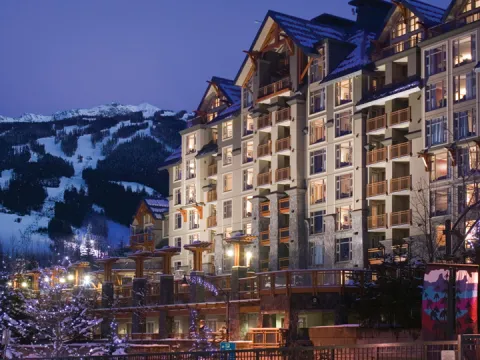
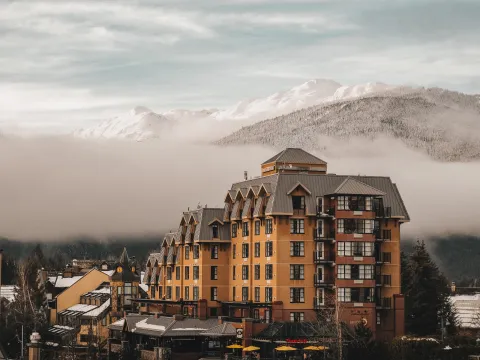
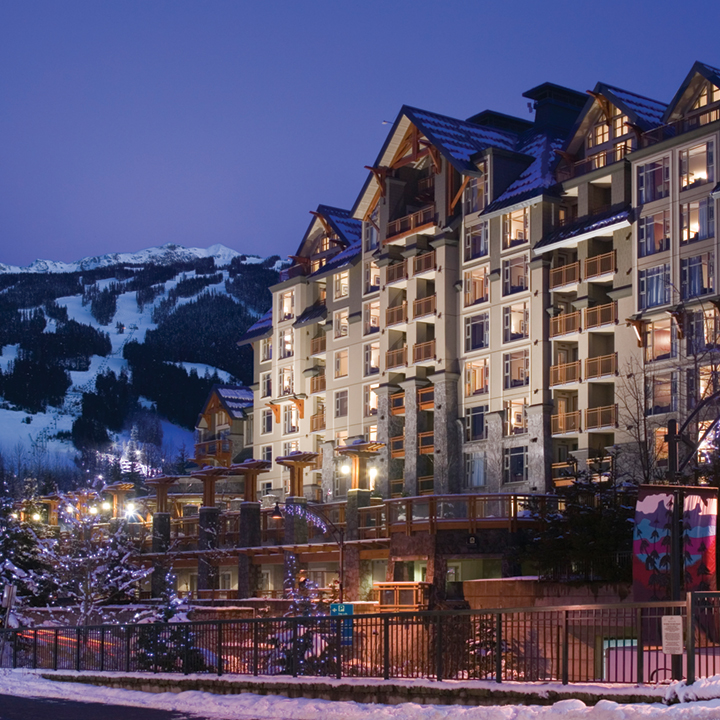
The village centre runs roughly from the Whistler Conference Centre up to Skiers Plaza, with hotels, lodges and resort-style properties layered above cafés and gear shops. Flagship stays such as the Pan Pacific Whistler Mountainside, Crystal Lodge and the Hilton Whistler Resort sit right in this zone, with room categories ranging from standard doubles to one- and two-bedroom suites. If you prefer a quieter atmosphere, look for a lodge slightly off the main stroll or facing the inner courtyards rather than the busiest plazas.
Views are part of the trade-off. A true view room over Whistler mountainside or Blackcomb often means you are closer to the lifts and après-ski venues, with more ambient noise. Rooms and suites tucked toward the forest edge or along Northlands Boulevard may offer less dramatic panoramas but a calmer night’s sleep. Decide early whether you want to feel the pulse of the heart of Whistler or retreat to something that feels more like a discreet village inn.
Room types, suites and what to expect inside
Key decision first: classic hotel room or self-contained suite. In Whistler Village, many properties blur the line, offering studio suites with kitchenettes, gas fireplaces and sofa beds that function almost like compact apartments. These suites featuring small but efficient kitchens are particularly valued by families and longer-stay guests who want to prepare breakfast before the first gondola or a simple pasta after a late return from the slopes.
Traditional rooms tend to cluster closer to the main plazas, with a tighter footprint but quicker elevator-to-gondola timing. Suites and inn-style layouts often sit a street back, trading a few extra minutes’ walk for more space, balconies and sometimes a better mountain view. When you compare options, look closely at floor plans: some one-bedroom suites have sliding partitions rather than full walls, which matters if you are sharing with friends or teenagers.
For couples, a smaller room with a strong sense of design and a good soaking tub can feel more luxurious than a larger but generic suite. Families usually benefit from rooms and suites that include a proper dining table, a second bathroom or at least a separate vanity area. If you are travelling with gear, check whether the lodge offers dedicated ski storage near the entrance so your room does not become a drying rack. In every case, match the room type to how you actually live on holiday, not just to the photos.
Location nuances: slopeside, village centre and quieter edges
Distances in Whistler Village look short on a map, but the feel changes block by block. A slopeside location near Skiers Plaza gives you the fastest access to the gondolas and the most direct route home after the last run. You step out, click in, and you are on the mountain within minutes. The trade-off is energy: music from après-ski terraces, late-night conversations drifting up, snowcats humming in the distance.
Stays in the village centre around Village Common or near the Whistler Olympic Plaza balance convenience and atmosphere. From here, you can walk to both the lifts and the restaurants in under ten minutes, yet you are slightly removed from the loudest corners. This is often the sweet spot for travellers who want to explore on foot, book dinner spontaneously and still sleep with the window cracked open.
On the quieter edges, toward Northlands Boulevard or just beyond the main loop, hotels and inn-style properties feel more residential. You might gain a better view of the valley or a more relaxed resort spa, but you will add a few minutes’ walk to the gondola, especially in ski boots. In summer, that extra distance matters less; being closer to the Valley Trail or Lost Lake shuttle can be more valuable than being right under the lifts.
Wellness, pools and the spa side of Whistler
After a day on the Peak Express or hiking to the High Note Trail, the difference between a basic pool and a well-designed pool and hot tub area is enormous. Many Whistler Village hotels offer some combination of heated outdoor pool, hot tubs and small fitness rooms; the best integrate these into a coherent resort spa experience. Think steam rooms, relaxation lounges and treatment menus that lean into mountain botanicals rather than generic offerings.
If spa time is a priority, scrutinise the details before booking. Some properties market a spa Whistler experience but in practice offer only a couple of treatment rooms and a single indoor hot tub. Others deliver a true resort spa, with multiple pools, saunas and quiet zones where you can actually hear the snow falling. For winter travellers, outdoor hot tubs with direct views of Whistler mountainside are particularly coveted, even if it means sharing the space with more guests at peak times.
Families should confirm whether the pool and hot tub areas have designated quiet hours or adult-only times. Couples on a romantic trip may prefer a hotel where the wellness spaces skew tranquil rather than playful. And if you plan to spend serious time in the spa, consider a room category that is on the same level or a short robe-walk away; it changes how often you actually use it.
Seasonality: winter intensity versus summer ease
Whistler in January feels like a different destination from Whistler in July. In winter, the village is dense with ski boots, the sound of avalanche forecasts on café radios and the glow of heat lamps along Village Stroll. Choosing a hotel in Whistler Village then is about proximity to the lifts, efficient ski storage and a layout that can handle wet outerwear without chaos. A slopeside lodge or a property right by the busier plazas makes sense if first chair is your religion.
Summer softens everything. Mountain bikes replace skis, patios spill onto the cobblestones and the pace slows. Suddenly, being a little farther from the gondola and closer to the Valley Trail or the Whistler Golf Club can be an advantage. Rooms with balconies become more valuable, and a view room over the surrounding peaks or the Olympic rings at Whistler Olympic Plaza feels like an extra living space.
Shoulder seasons reward those who like a quieter resort. With fewer events and less nightlife, the distinction between the heart of Whistler and the outer edges blurs slightly. This is when a compact studio suite with a good kitchenette and a comfortable lounge area can turn a simple stay into a restorative retreat, especially if the hotel offers complimentary perks such as bike storage or access to a modest but well-kept spa.
Practical filters: pets, parking and who each option suits best
Not every Whistler Village hotel welcomes animals, so if you travel with a dog, start by filtering specifically for pet friendly policies. Some properties allow pets only in certain floors or room types, which can affect your view and layout. Clarify whether there are nearby green spaces; being close to the small park near Village Gate Boulevard, for example, makes early-morning walks far easier in winter.
Parking is another quiet differentiator. Underground parking in the core of Whistler Village is common but not universal, and ceiling heights can be tight for vehicles with roof boxes. If you plan to arrive late on a Friday from Vancouver, a hotel with straightforward access from Highway 99 and clear signage off Village Gate Boulevard will save you stress. Once parked, you should be able to move mostly on foot, especially if you choose a location near the village centre.
Different profiles gravitate to different corners. Dedicated skiers and riders often prefer the most direct routes to the gondolas, even if that means a busier atmosphere. Families tend to favour inn-style suites featuring kitchenettes, separate sleeping areas and easy access to quieter playgrounds like the one at Whistler Olympic Plaza. Couples and small groups looking for a refined atmosphere may prioritise a smaller property with fewer rooms, a calm lobby bar and a spa that feels like a retreat rather than a thoroughfare.
Is Whistler Village a good place to stay for first-time visitors?
For a first visit, Whistler Village is usually the best base. You can walk to the main gondolas, restaurants, rental shops and activity desks without needing a car. The compact layout makes orientation easy, and staying in the village centre lets you experience the resort’s atmosphere from morning coffee on Village Stroll to the last lights of après-ski.
What is the best time of year to book a hotel in Whistler Village?
Winter from December to February is ideal for skiing and snowboarding, while June to August suits hikers, bikers and golfers. If you value a quieter stay, late spring and early autumn offer fewer crowds and a more relaxed pace in the village. In all seasons, availability tightens around major holidays and event weekends, so planning ahead gives you more choice of room types and locations.
Are there pet-friendly hotels in Whistler Village?
Several hotels in Whistler Village accept pets, but policies vary by property and even by room category. Some limit pets to specific floors or require advance notice, and a few provide amenities such as dog beds or treats. If travelling with an animal, confirm the pet policy, any size restrictions and nearby walking areas before you book.
What should I check before booking a room or suite in Whistler Village?
Focus on three things: distance to the gondolas, the exact room or suite layout and the wellness facilities. Verify whether you are comfortable with the walk to the lifts in ski boots, whether the sleeping areas are fully separate or divided by sliding doors and what kind of pool, hot tub or spa access is included. These details shape your daily routine far more than decorative touches.
Is it better to stay slopeside or slightly away from the lifts?
Slopeside locations work best for travellers who prioritise maximum time on the mountain and do not mind a livelier atmosphere. Hotels a few minutes’ walk away often provide quieter nights, more spacious rooms and sometimes better value in terms of amenities like pools and spas. If you plan to mix skiing with shopping, dining and spa days, a spot in the broader village centre can offer the most balanced experience.