Planning where to stay in Ontario, Canada? Compare hotels in Toronto, Ottawa, Niagara Falls and Lake Ontario, with typical 2024 price ranges, parking and pet tips, plus quick picks for city breaks, wine country and resort-style stays.
How to choose a hotel in Ontario, Canada
Quick picks at a glance
- Best for a first city break: Central Toronto hotels near Union Station or King Street East for easy transit, major sights and varied dining.
- Best for walkable museums and calmer streets: Ottawa hotels around Parliament Hill, Elgin Street and the Rideau Canal.
- Best for dramatic views: High-rise Niagara Falls hotels with guaranteed falls-view rooms.
- Best for wine country and slower days: Boutique inns and lakefront hotels around Niagara-on-the-Lake and along Lake Ontario.
Choosing a hotel in Ontario, Canada: is it right for your trip?
Ontario rewards travelers who like contrast. One night you are watching mist rise over Niagara Falls, the next you are walking past galleries on Queen Street West in Toronto. For a hotel stay, that variety is both the main attraction and the main decision point, especially when you compare downtown towers, boutique inns and resort-style properties across Ontario, Canada.
Urban travelers usually start with Toronto or Ottawa. Toronto, Ontario’s largest city, concentrates many of the most polished hotels, from discreet downtown towers like the Fairmont Royal York and Shangri-La Toronto to lakefront properties near the harbour and the Toronto airport corridor. Ottawa, Ontario’s capital, offers a quieter rhythm around Parliament Hill and the Rideau Canal, with several large hotels such as the Fairmont Château Laurier and The Westin Ottawa within a few blocks of Elgin Street and Kent Street.
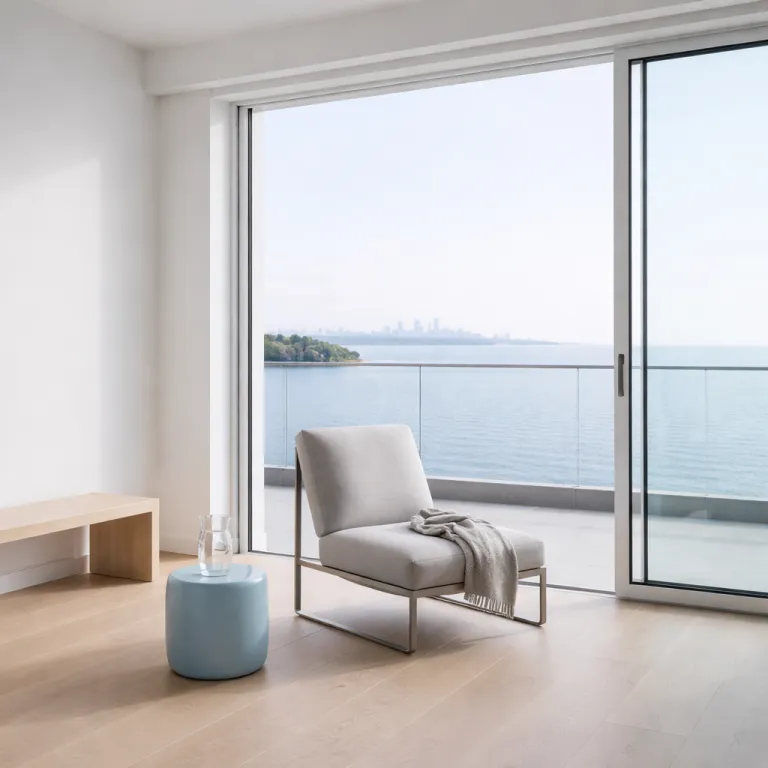
For a more scenic escape, Niagara Falls and the shores of Lake Ontario change the tone completely. Hotels in Niagara often trade on views of the water and easy access to the falls, while lake hotels between Niagara-on-the-Lake and Prince Edward County lean into vineyards, cycling routes and small-town streets. Ontario, Canada is a good choice if you want to combine city culture, wine country and iconic natural sights in a single holiday, with hotel options that range from simple motels to luxury suites and spa resorts.
Toronto hotels: where to stay and what to check before you book
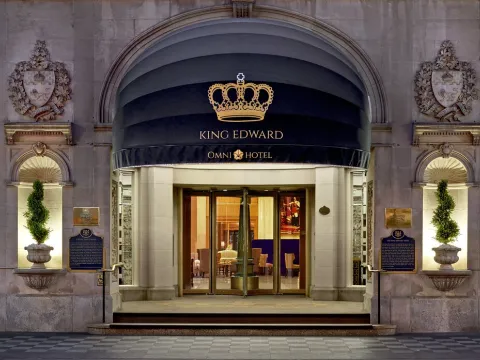
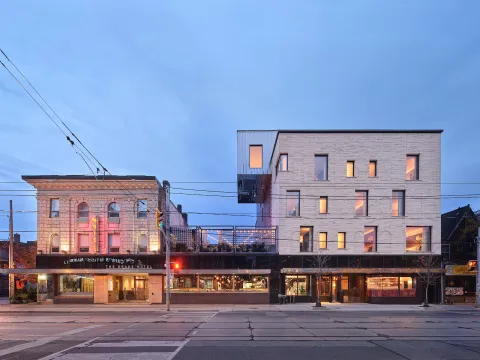
Downtown Toronto is compact enough to cross on foot, but each pocket feels different. Around King Street East and Bay Street, hotels tend to be business-focused, with generous suites, quiet executive floors and easy access to the Financial District; examples include the Omni King Edward Hotel and the Hilton Toronto, typically from around CAD 260–400 per night for standard rooms based on mid‑2024 rates checked on major online travel agencies and hotel websites. West of University Avenue, near Queen Street West and the Entertainment District, you will find livelier lobbies, more design-forward rooms and quick access to theatres and restaurants at places like the Bisha Hotel Toronto or the Hyatt Regency Toronto.
Before you confirm a hotel in Toronto, check availability across a few neighbourhoods rather than locking into one address. A room near Union Station or along Front Street at properties such as the Fairmont Royal York or Delta Hotels by Marriott Toronto puts you close to the lake and major venues, roughly a 5–10 minute walk from Scotiabank Arena and the CN Tower. If you are flying in or out, properties near Toronto airport along Dixon Road, including the Sheraton Gateway Hotel in Toronto International Airport and the Alt Hotel Toronto Airport, can be practical for a late arrival, but they trade skyline views for runway proximity and are about 25–35 minutes by car from downtown in normal traffic.
Parking is a key detail in Toronto, Ontario. Many central hotels offer only valet parking or limited underground spaces, often with separate parking fees that are not obvious at first glance, while airport hotels usually include larger surface lots. When you compare options, note whether the nightly rate covers Wi‑Fi, breakfast or parking, how taxes and fees are presented, and whether there are extra charges for additional guests, so you are looking at realistic totals rather than headline prices; one Toronto regular puts it simply: “I always click through to the final payment screen before I decide.”
- Typical nightly rate (central Toronto): approx. CAD 260–400 for standard rooms (mid‑2024 sample checks).
- Parking: often valet or paid underground in the core; larger surface lots near Toronto airport.
- Pets: policies vary by brand and building; always confirm room type and any cleaning fees in advance.
Ottawa and the capital corridor: quieter stays with strong city access
Staying in Ottawa feels different from Toronto from the moment you step outside your hotel. Streets around Elgin Street and Kent Street are wide, walkable and noticeably calmer in the evening, with the Parliament buildings and the Ottawa River only a short walk away. Many larger hotels cluster within a few blocks of the Rideau Canal, which gives even business trips a sense of place and keeps most major sights within a 10–20 minute walk.
For travelers comparing Ottawa, Ontario with Toronto, the trade-off is clear. Ottawa offers shorter distances, easier traffic and a more compact core, but fewer late-night dining options and a smaller choice of hotels and resort-style properties. If you value being able to walk from your room to the National Gallery in under 15 minutes, Ottawa works beautifully, especially at central properties like the Fairmont Château Laurier, The Westin Ottawa or the Lord Elgin Hotel. If you want rooftop bars and a dense restaurant scene, Toronto still wins, with neighbourhoods such as King West and the Entertainment District offering more nightlife.
When you book a hotel in this part of Ontario, Canada, pay attention to what the rate includes. Some properties in the capital bundle breakfast, access to a pool or late check-out into specific room categories, while others keep the base rate lean and add everything à la carte. Typical nightly prices for well-located Ottawa hotels range from about CAD 220–350 outside major events, based on 2024 sample dates from hotel websites and online travel agencies, so always look for the final figure with taxes and mandatory fees included before you commit, especially for multi-night stays.
- Typical nightly rate (central Ottawa): approx. CAD 220–350 outside peak events (2024 sample checks).
- Parking: mix of underground garages and nearby public lots; charges vary by block.
- Extras: some hotels include breakfast or late check-out in selected room types; others price add-ons separately.
Niagara Falls and Lake Ontario: views, vineyards and water-focused stays
Few hotel experiences in Ontario are as specific as waking up to the sound of Niagara Falls. Properties on Falls Avenue and the surrounding streets are built vertically, with many floors of rooms and suites angled toward the water. Here, the most important decision is not the décor, but the view category you choose; a “falls view” room at hotels such as the Niagara Falls Marriott Fallsview Hotel & Spa, Embassy Suites by Hilton Niagara Falls Fallsview or Sheraton Fallsview can transform a standard night into a memorable holiday.
Hotels in Niagara often operate almost like resorts. Many hotels offer direct indoor access to attractions, pools or family-friendly activities, which can be convenient if you are traveling in winter or with children. When you check availability, look closely at whether your chosen room includes access to these facilities or if there are extra resort-style fees added at check-out, and note that falls-view rooms usually command a premium over city-view categories, especially in summer and on weekends.
Drive 20 km north and the mood changes. Around Niagara-on-the-Lake, hotels near the lake feel more intimate, with gardens, verandas and easy access to wineries along the Niagara Parkway. These lake hotels suit travelers who prefer tasting rooms and bike paths over neon lights, with popular choices including the Prince of Wales, Queen’s Landing and smaller vineyard inns. If you are planning to explore both Niagara Falls and the quieter Niagara Lake area, consider splitting your stay rather than compromising on a single location, allowing one or two nights near the falls and a slower-paced finale among the vineyards.
- View types: falls-view rooms cost more than city-view categories, especially in summer and on weekends.
- Resort-style fees: some Niagara Falls hotels add daily charges for pools or attraction access; check the final total.
- Lake hotels: smaller properties around Niagara-on-the-Lake emphasize gardens, wineries and cycling routes.
Practical details: rooms, pets, parking and what your rate really includes
Ontario’s hotel scene is diverse, but a few practical questions repeat themselves. Room size varies widely between older downtown buildings and newer properties near airports or highways. In converted historic structures, standard rooms can feel compact but atmospheric, while modern towers often compensate with larger suites and more storage, which matters on longer trips and for families sharing one room.
Traveling with pets requires more scrutiny. Many hotels in Ontario, Canada accept pets in specific room types only, sometimes on lower floors or in designated wings. When you check availability, look for clear confirmation that pets are allowed in the category you are booking, and whether the pet policy includes a flat cleaning fee per stay or a nightly supplement. This can influence whether you choose a central hotel or an inn-style property on the outskirts, where outdoor space and nearby parks may be easier to access.
To avoid surprises at check-in, use a simple checklist: confirm parking options and daily charges, whether breakfast is included, any extra costs for additional guests, how taxes and fees are displayed in the final total, and what time windows apply for check-in, check-out and cancellation. Clear, detailed information in these areas usually signals a more transparent overall approach to service and makes it easier to compare hotels across different parts of Ontario.
- Room size: older downtown hotels can feel snug; newer airport and highway properties often have larger layouts.
- Pet policy: check permitted room types, floor restrictions and whether fees are per stay or per night.
- Rate clarity: always review the last booking screen for taxes, parking, resort-style charges and guest supplements.
Airport, business and resort-style stays: matching hotel types to your trip
Not every stay in Ontario is about sightseeing. If you are flying in for a short meeting, a hotel near Toronto airport or Ottawa’s airport can make more sense than a downtown address. These properties usually prioritize efficient check-in, early breakfast service and reliable transfers over dramatic views, and they often have more uniform room layouts that suit quick business trips, with typical travel times of 5–10 minutes from terminal to lobby.
For longer holidays, resort-style hotels along the shores of Lake Ontario or near Niagara Falls change the equation. Here, you are booking more than a room; you are buying into a cluster of pools, restaurants and activities that can fill several days without getting into a car. Some of these hotels offer loyalty program benefits, from late check-out to complimentary upgrades, which can be valuable if you return to Ontario regularly and want to build status with a particular brand.
Between those two extremes sit the classic city hotels and traditional inns. City properties near Bay Street in Toronto or close to Parliament in Ottawa work well if you want museums by day and restaurants by night. Smaller inns in wine country or along the lakefront suit travelers who prefer quiet evenings, local walks and a slower pace. The right choice depends less on star ratings and more on how you plan to use the hotel during your stay, whether as a simple base or as a central part of the experience.
How to compare hotels in Ontario, Canada before you book
Choosing a hotel in Ontario is easier if you approach it in layers. Start with geography: decide whether your priority is Toronto, Ottawa, Niagara Falls, the Niagara Lake area or another stretch of Lake Ontario. Then narrow down to a specific neighbourhood or town centre, such as the blocks around King Street East in Toronto, the area near Parliament Hill in Ottawa or the historic core near the falls.
Next, compare what each hotel offers beyond the room itself. Look at whether there are suites suitable for families, whether there is on-site parking, and how the property describes its dining options. For stays that mix work and leisure, check if the layout of the room supports both a comfortable night’s sleep and a practical workspace, rather than relying only on photos, and note approximate walking times to the places you expect to visit most often.
Finally, pay attention to structure rather than sentiment when you read reviews. Focus on consistent comments about noise levels, housekeeping standards or the accuracy of room descriptions, and ignore one-off complaints. Before you click “check availability”, confirm that the final rate includes all mandatory taxes and fees, that the cancellation policy matches your travel risk tolerance, and that the location aligns with how you actually plan to spend your days. In Ontario, the right hotel can turn a simple stopover into the highlight of your trip, especially when you match the property type to your itinerary.
Is Ontario, Canada a good place to book a hotel for a city break?
Ontario is an excellent choice for a city break because it combines Toronto’s dense cultural scene with Ottawa’s calmer, walkable core. You can spend a weekend exploring galleries and restaurants around King Street and Queen Street West in Toronto, then add a night in Ottawa near the Rideau Canal for museums and riverside walks. The variety of hotels in Ontario, from large downtown towers like the Fairmont Royal York and Fairmont Château Laurier to smaller inns near the water, makes it easy to match your stay to your travel style.
What should I check before booking a hotel in Toronto, Ontario?
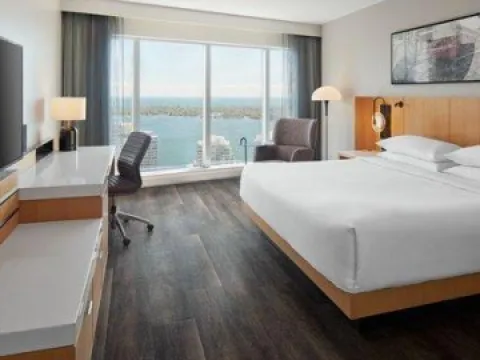
Before booking a hotel in Toronto, check availability across several neighbourhoods, not just one. Confirm whether parking is included or charged separately, and look closely at how the rate presents taxes and fees so you are comparing final totals, not just base prices. It is also worth checking whether your room category guarantees the view or bed type you want, especially in high-rise properties near the lake or in the Financial District, where lake-view and corner rooms can sell out quickly on busy dates.
How do Niagara Falls hotels differ from lake hotels in Ontario?
Hotels in Niagara Falls focus on proximity to the water and, above all, on views of the falls, often in tall buildings along or near Falls Avenue. Many operate almost like resorts, with pools and direct access to attractions, and they tend to be busier and more vertical. Lake hotels along Lake Ontario or near Niagara-on-the-Lake feel quieter and more spread out, emphasizing gardens, vineyards and access to cycling routes rather than neon-lit promenades, and they usually suit travelers planning slower, wine-focused itineraries.
Are airport hotels in Ontario a good option for short stays?
Airport hotels near Toronto airport or Ottawa’s airport are practical for short stays, late arrivals or early departures. They usually offer efficient check-in, early breakfast and straightforward transfers, which can save time compared with staying downtown. The trade-off is that you lose immediate access to city restaurants and nightlife, so they work best when convenience outweighs the desire to explore and when your schedule is built around flight times.
What type of traveler is best suited to Ottawa compared with Toronto?
Ottawa suits travelers who value walkability, calmer streets and quick access to national museums and the riverfront. Many hotels sit within a short walk of Parliament Hill, Elgin Street and the Rideau Canal, which keeps logistics simple and reduces the need for taxis or transit. Toronto, by contrast, is better for travelers who want a denser restaurant scene, more nightlife and a broader range of hotels, from harbourfront properties to towers near Bay Street, making it ideal for visitors who enjoy busy streets and late evenings.