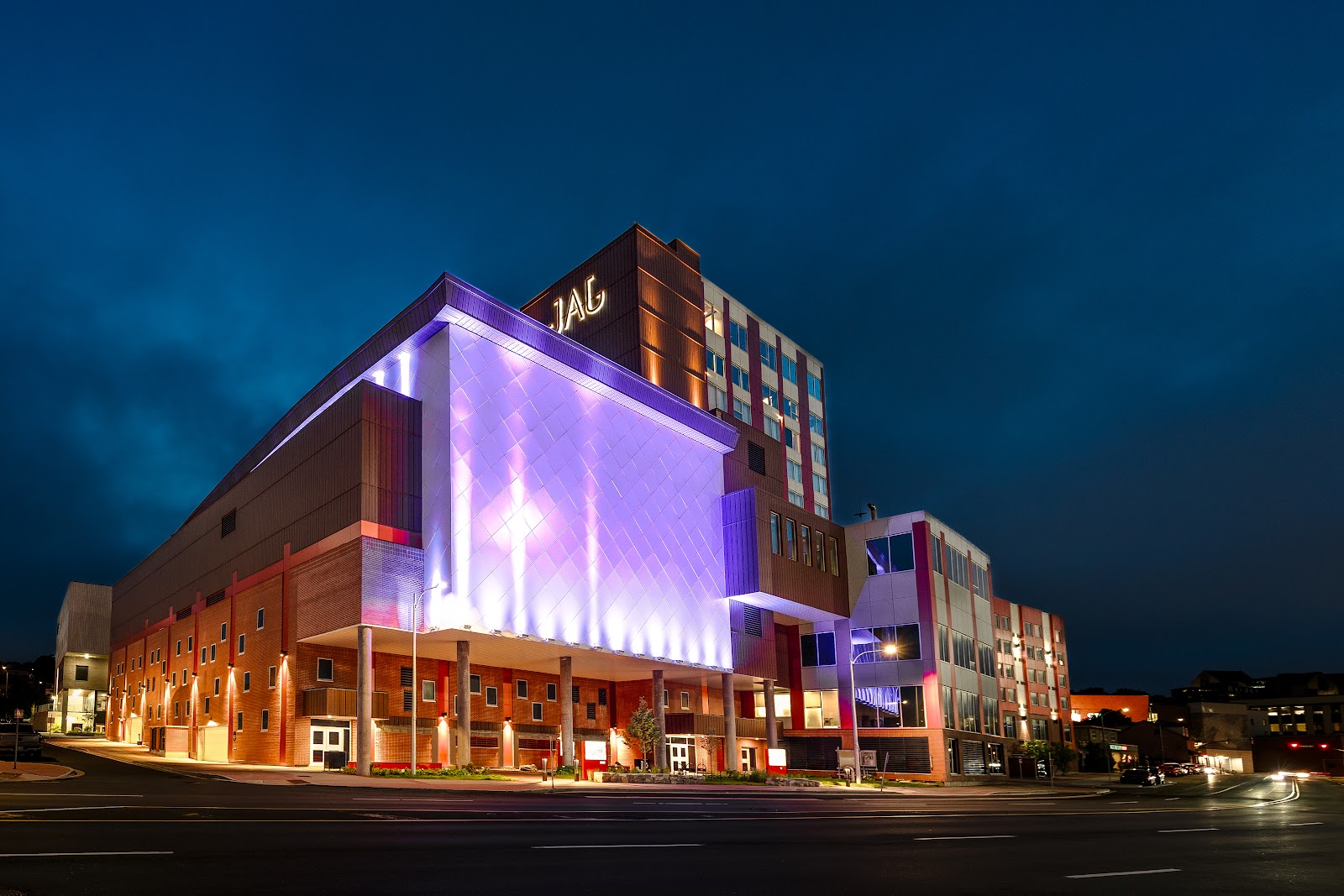
Discover the best hotels in Newfoundland and Labrador, from St. John’s city stays to Fogo Island Inn and practical Labrador hotels. Compare regions, room types, and when to book for Atlantic Canada trips.
Best hotels in Newfoundland and Labrador: where to stay across the province
Why Newfoundland and Labrador is worth a dedicated hotel search
Salt on the air, coloured row houses climbing up the hill, and a harbour that feels closer to Dublin than to Toronto. Newfoundland and Labrador is not a place you book on autopilot. This Atlantic province of Canada rewards travelers who slow down and choose hotels with care, because the right property can shape your entire experience of both the island of Newfoundland and the mainland coast of Labrador.
Travelers come here to discover wild nature, strong culture, and a sense of space that is rare in many hotels in Canada. Distances are long, weather changes quickly, and properties are scattered between working ports, inland towns, and tiny communities on outport roads. Choosing where to stay is less about star ratings and more about how you want to feel when you open your room curtains in the morning, whether that is a harbour view, a quiet inland valley, or the open North Atlantic.
For some, that means a refined inn overlooking a sheltered bay, with a dining room serving local seafood and berries. For others, it is a larger hotel in the provincial capital, with generous rooms suited to business trips that stretch into long weekends. This guide focuses on that decision: which part of Newfoundland and Labrador suits you, what kind of property to look for in each place, and how to match your room choice to the season, from iceberg spring to late-summer hiking.
Comparison of notable hotels in Newfoundland and Labrador
| Hotel |
Region |
Why stay |
Typical price |
| Fogo Island Inn |
Fogo Island |
Iconic design, dramatic Atlantic views |
Luxury |
| Delta Hotels by Marriott St. John’s |
St. John’s |
Full-service city base for business and leisure |
Upper mid-range |
| Sheraton Hotel Newfoundland |
St. John’s |
Harbour views, reliable conference facilities |
Upper mid-range |
| Alt Hotel St. John’s |
St. John’s |
Modern rooms, walkable downtown location |
Mid-range |
| Gros Morne gateway inns |
West coast |
Practical bases near trails and fjords |
Mid-range |
St. John’s and the Avalon Peninsula: harbour-city stays with character
Coloured townhouses on Gower Street, the steep climb up Signal Hill, and the constant movement of ships in the Narrows. St. John’s is the obvious starting point for most trips to Newfoundland and Labrador, and its hotels reflect a blend of government, business, and leisure travel. Here you will find the widest range of rooms in the province, from classic city properties such as Delta Hotels by Marriott St. John’s to smaller inns tucked into side streets near the harbour.
Staying near Duckworth Street or Water Street puts you within a short walk of galleries, live music, and harbourfront dining. Rooms in this part of the city often trade sweeping views for immediacy: step outside and you are in the middle of the nightlife, with the Atlantic wind funneling up the hill. If you prefer quieter nights, look for a hotel slightly uphill, where higher floors can offer harbour views and a calmer atmosphere; a 10–15 minute walk uphill can make a noticeable difference in noise and traffic.
Business travelers tend to favour larger properties close to the main office towers and government buildings, where meeting spaces, on-site dining, and structured services are standard. Leisure guests might prefer an inn in a heritage building, where the architecture and interior details echo the city’s layered culture and history. Either way, St. John’s works best for travelers who want restaurants and nightlife within walking distance and are happy to explore nature as a day trip to Cape Spear, Signal Hill, or the Irish Loop rather than the other way around.
-
Delta Hotels by Marriott St. John’s
- Why it’s recommended: full-service downtown hotel with pool, harbour-facing rooms, and easy access to the convention centre.
- Price range: upper mid-range for Newfoundland hotels; often better value outside peak summer.
- Best season: year-round, especially for business travel and shoulder-season city breaks.
- Nearest transport: short drive from St. John’s International Airport; walkable to harbour and downtown dining.
- Booking tip: request a higher floor room for quieter nights and better views over the city and harbour.
-
Sheraton Hotel Newfoundland
- Why it’s recommended: established St. John’s hotel with a traditional feel, popular for conferences and longer stays.
- Price range: upper mid-range, with occasional off-season deals compared with similar hotels in Canada.
- Best season: spring to autumn for harbour walks and city exploring.
- Nearest transport: easy taxi ride from the airport; close to Signal Hill and the harbourfront.
- Booking tip: look for packages that include breakfast or parking, as downtown costs can add up.
-
Alt Hotel St. John’s
- Why it’s recommended: modern boutique-style property with bright rooms and a strong sense of local design.
- Price range: mid-range, often competitive for central St. John’s hotels.
- Best season: ideal for summer city breaks and weekend escapes.
- Nearest transport: located near the harbour, within walking distance of downtown culture and dining.
- Booking tip: choose a harbour-facing room if views matter more than floor space.
Central Newfoundland and the west coast: practical bases for road trips
A long stretch of the Trans-Canada Highway, spruce forests, and the slow reveal of Gros Morne’s mountains as you drive west. Central Newfoundland and the western coast are less about a single iconic hotel and more about a network of reliable properties that support road trips. This is where you choose your base with a map in hand, not just a photo gallery, because a 30-minute difference in driving time can change how relaxed your days feel.
In towns along the west coast, many hotels sit close to Route 1 or near the main commercial streets, making them practical for travelers who want to explore by car. Rooms here tend to be straightforward and comfortable, with layouts that work well for families or small groups carrying hiking gear, fishing equipment, or photography cases. You are not booking a château experience; you are booking a solid base between fjord boat tours, coastal hikes, and drives to small coves, with typical mid-range prices that are often lower than in the capital.
For travelers heading to Gros Morne National Park, it is worth checking how far a property is from trailheads and boat docks rather than focusing only on decor. From Deer Lake, for example, it is roughly a 45-minute drive to the park’s southern entrance and about an hour to popular trailheads near Rocky Harbour. If your priority is nature at your doorstep, choose an inn or small hotel in one of the park’s gateway communities rather than in a larger inland town, and confirm whether your room faces the water, the mountains, or the parking lot.
-
Deer Lake regional hotels
- Why they’re recommended: practical airport-area properties that work well as first or last night stops on a west coast itinerary.
- Price range: generally mid-range, often cheaper than comparable St. John’s hotels.
- Best season: late spring to early autumn, when Gros Morne accommodations are in highest demand.
- Nearest transport: close to Deer Lake Regional Airport and the Trans-Canada Highway.
- Booking tip: if you land late, choose a hotel with 24-hour front desk and confirm late check-in.
-
Rocky Harbour and Norris Point inns
- Why they’re recommended: small waterfront inns and motels that put you minutes from Gros Morne boat tours and coastal trails.
- Price range: mid-range, with some budget-friendly rooms outside peak dates.
- Best season: June to September for hiking, fjord cruises, and long evenings.
- Nearest transport: around an hour’s drive from Deer Lake along the west coast highway.
- Booking tip: request a room with a view and book well ahead for July and August.
-
Corner Brook business hotels
- Why they’re recommended: reliable chain-style properties that suit both business trips and road trippers needing a comfortable overnight.
- Price range: mid-range, often with competitive weekday rates.
- Best season: all year, including winter for skiing and snow-based activities.
- Nearest transport: located near the Trans-Canada Highway and regional services.
- Booking tip: if you are carrying outdoor gear, look for ground-floor rooms or elevators for easier access.
Fogo Island and the outports: design, isolation, and North Atlantic drama
Wooden stages on stilts, fishing sheds clinging to rock, and the open Atlantic stretching unbroken to Greenland. Fogo Island has become a shorthand for contemporary design meeting traditional island culture, and that reputation is deserved. Staying here is less a simple hotel choice and more a commitment to a particular way of experiencing Newfoundland and Labrador, with limited room numbers and strong demand in peak season.
Properties on Fogo Island are few, and each room feels intentional. Large windows frame the ocean, the sky, and the changing light rather than a city skyline. An island inn here often integrates local craft, storytelling, and community connections into the stay, so you are not just a guest but a temporary participant in island life. Expect dining that leans heavily on North Atlantic ingredients: cod, crab, wild berries, and preserved foods that reflect the island’s history, with set menus that change according to the fishing and berry seasons.
This is not the right destination if you need a dense list of urban distractions. It is ideal if you want to explore walking trails that start almost at the property door, watch icebergs drift past in season, and feel the weather as a central character in your trip. Travelers who choose Fogo Island usually accept limited hotel choice in exchange for depth of experience and a powerful sense of place, and should be prepared to book rooms and ferry crossings several months ahead for late spring and summer.
-
Fogo Island Inn
- Why it’s recommended: internationally known island inn that combines striking architecture with deep community ties and floor-to-ceiling Atlantic views.
- Price range: luxury, reflecting its remote location and inclusive dining room experience.
- Best season: late spring for icebergs, summer for hiking, and autumn for quieter stays.
- Nearest transport: reached via ferry from Farewell on the island of Newfoundland, then a drive across Fogo Island.
- Booking tip: reserve well in advance and plan your ferry schedule before locking in dates.
-
Traditional outport inns
- Why they’re recommended: small coastal properties in historic fishing communities that offer simple rooms and close contact with local culture.
- Price range: mid-range, with some budget-friendly options outside peak season.
- Best season: June to September, when weather is milder and services are fully open.
- Nearest transport: usually reached by secondary coastal roads branching off the main highway.
- Booking tip: confirm dining options in advance, as the inn’s dining room may be the only restaurant nearby.
Labrador stays: remote routes and purposeful overnights
Gravel shoulders, long distances between communities, and a coastline that feels closer to the Arctic than to the rest of Atlantic Canada. Labrador hotels serve a different purpose from those on the island of Newfoundland. They are lifelines for workers, residents, and the small but growing number of travelers exploring the Labrador Highway and coastal routes, where fuel stops and dining options can be hours apart.
In Labrador, you choose a property based on logistics first. How close is it to the airport, the ferry terminal, or the main road you will take the next morning? Rooms are usually functional, with layouts that prioritize warmth, storage, and rest over elaborate design. For many guests, the most important feature is simply arriving to a reliable room after a long drive in shifting weather, especially in winter when daylight is short and conditions can change quickly.
That said, there is a quiet charm to some Labrador hotels, especially in communities where the inn doubles as a local gathering place. Dining rooms often serve hearty, straightforward meals that reflect what is available locally, from fish to game. Travelers who are comfortable with fewer choices and who value raw landscapes over polished amenities will find Labrador deeply rewarding, particularly in late summer and early autumn when road conditions are usually more predictable.
-
Happy Valley–Goose Bay hotels
- Why they’re recommended: practical bases for travellers driving the Labrador Highway or flying in for work.
- Price range: mid-range, reflecting limited supply and strong local demand.
- Best season: late summer and early autumn, when days are longer and roads are generally in better condition.
- Nearest transport: close to the regional airport and main road junctions.
- Booking tip: secure your room early if your dates overlap with major projects or local events.
-
Labrador coastal inns
- Why they’re recommended: small inns and guesthouses that provide essential overnight stops in remote communities.
- Price range: mid-range to upper mid-range, depending on how remote the property is.
- Best season: summer, when ferries and coastal services run more frequently.
- Nearest transport: often linked to ferry terminals or small airstrips rather than major highways.
- Booking tip: confirm opening dates and meal availability, as some Labrador hotels operate seasonally.
What to look for in Newfoundland and Labrador hotels
Fog rolling in over the harbour, a sudden shift from sun to rain, and daylight that lingers late in summer. The environment in Newfoundland and Labrador should guide how you evaluate any hotel or inn. Before you book, think less about generic checklists and more about how the property interacts with its surroundings, from the orientation of the rooms to the way the building shelters you from wind and weather.
On the island, location is your first filter. Decide whether you want to wake up in a harbour town, a city centre, or a quieter inland setting. Then look at the building itself: some properties occupy modern towers with higher floors offering views and insulation from street noise, while others sit in older structures where charm and creaking floorboards go hand in hand. Neither is inherently better; it depends whether you prioritise atmosphere or acoustic comfort, and whether you prefer a compact inn or a full-service hotel with elevators, parking, and larger common areas.
For nature-focused trips, pay attention to how close the hotel is to the experiences you care about: whale watching, coastal hikes, iceberg viewing, or cultural festivals. A property that sits directly on the water or at the edge of a village may offer fewer on-site facilities but a stronger connection to local life and easier access to early-morning boat tours. In contrast, a larger hotel in a regional hub can be more convenient for business travel, with easier access to services and transportation, especially if you are combining meetings with a few days of exploring the province.
Who each area suits best – and how to decide
Short city break, extended road trip, or once-in-a-decade journey to the edge of the Atlantic. Your ideal hotel in Newfoundland and Labrador depends on the shape of your trip. Different parts of the province suit different traveler profiles, and recognising that early will save you time and second-guessing when comparing properties, room types, and nightly rates.
St. John’s and the Avalon Peninsula work best for travelers who want culture, dining, and nightlife within walking distance, with nature as a day excursion. Central Newfoundland and the west coast are better for those planning to explore by car, using practical hotels as stepping stones between national parks, coastal villages, and viewpoints. Fogo Island suits design-minded guests and slow travelers who value isolation, strong architecture, and immersion in island culture over a long list of hotel options, and who are comfortable with higher nightly prices that reflect limited capacity.
Labrador is for the committed explorer: travelers comfortable with long drives, fewer properties, and a focus on landscape rather than amenities. If you are travelling for business, staying in larger centres on the island of Newfoundland or in key Labrador towns will simplify logistics and airport transfers. For a first visit, many travelers combine a few nights in St. John’s with time on the west coast or on an island community, balancing urban energy with the quieter rhythm of outport life and allowing at least two nights in each base to avoid constant packing.
Is Newfoundland and Labrador a good destination for a hotel-based trip?
Yes, Newfoundland and Labrador works very well for a hotel-based trip, provided you plan around distance and weather rather than assuming urban density. The province offers a mix of city properties, coastal inns, and remote hotels that allow you to explore nature and culture by day while returning to a comfortable room at night. The key is to choose one or two strategic bases instead of changing hotels every night, especially on the island of Newfoundland where drives between regions can be several hours. Travelers who enjoy a strong sense of place, Atlantic scenery, and genuine local hospitality will find the hotel experience here particularly rewarding, especially from late May to early October when most seasonal services are operating.
FAQ
What are the main areas to consider when booking a hotel in Newfoundland and Labrador?
The main areas to consider are St. John’s and the Avalon Peninsula for city and culture, central Newfoundland and the west coast for road trips and access to Gros Morne National Park, island communities such as Fogo Island for design-forward coastal stays, and key towns in Labrador for remote, landscape-focused travel. Each area offers a different balance of nature, culture, and convenience, so your choice should follow your primary reason for visiting and how much driving you are comfortable with.
How far in advance should I book hotels in Newfoundland and Labrador?
For peak summer months and for limited-capacity destinations such as small island communities, it is wise to book several months in advance. In larger centres on the island of Newfoundland, you will usually find more flexibility, but booking early still gives you better choice of room types and locations. In Labrador and remote areas, early planning is essential because the number of available rooms is relatively low compared with demand during busy periods, and last-minute changes can be difficult if weather affects flights or ferries.
Is it better to stay in one place or move between several hotels?
For shorter trips of under a week, staying in one or two bases and exploring on day trips is usually more comfortable, especially on the island of Newfoundland where drives between regions can be long. For longer itineraries that include both Newfoundland and Labrador, moving between several hotels makes sense, but you should still avoid packing and unpacking every night. A good compromise is to choose a city base, a coastal or island base, and, if desired, one stop in Labrador, allowing at least two nights in each location so you can explore without feeling rushed.
Are hotels in Newfoundland and Labrador suitable for business travel?
Yes, many hotels in Newfoundland and Labrador are well suited to business travel, particularly in St. John’s and in regional hubs along the Trans-Canada Highway. These properties typically offer structured services and room layouts that work well for work trips that may extend into leisure stays, including desks, reliable Wi‑Fi, and on-site dining. For business related to resource industries or infrastructure projects in Labrador, hotels in key towns provide practical, reliable bases close to transportation routes, with simple rooms that prioritise rest and early departures.
What should I check before booking a hotel in a remote area?
Before booking a hotel in a remote part of Newfoundland and Labrador, check its exact location relative to roads, ferry terminals, or airports, and consider how weather might affect your arrival. Confirm the typical travel time from your previous stop, allowing extra margin for road conditions and daylight, and ask whether late check-in is possible if you are delayed. It is also sensible to understand what is available in the immediate area in terms of dining and services, as options can be limited outside larger communities and some properties may have a single dining room that serves as both restaurant and local meeting place.