The authenticity premium behind the heritage hotels Canada luxury trend
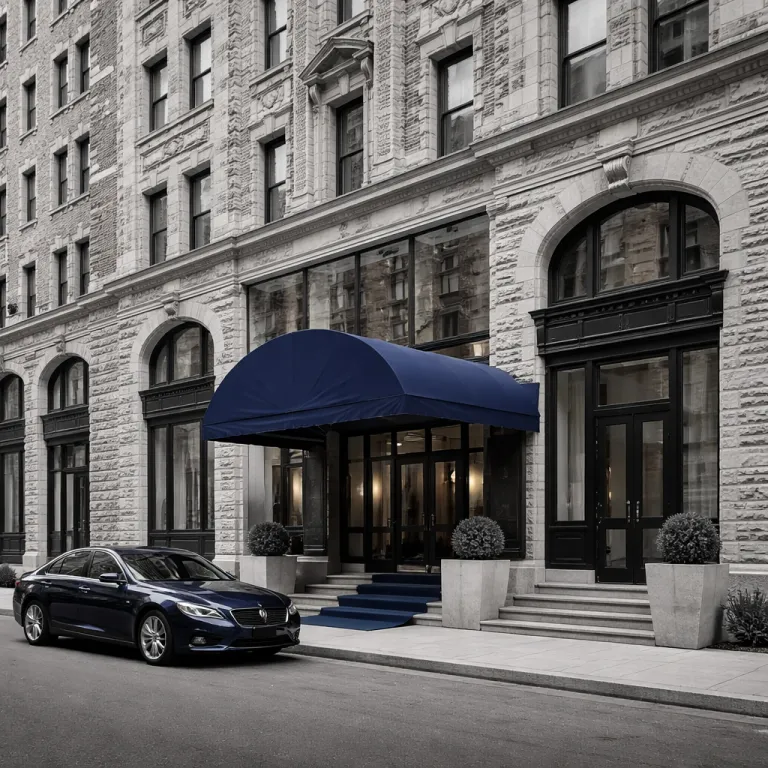
Canada’s most interesting luxury hotels increasingly live inside historic walls. The broader heritage hotels Canada luxury trend is reshaping how high end travelers think about a hotel, because character and context now matter as much as sheer scale. When you book hotel rooms in a converted railway château or a former bank building, you are buying a story as much as a stay.
Fairmont has long understood this authenticity premium, turning properties like Fairmont Banff Springs into global symbols of Canadian luxury hospitality. That castle like resort hotel above Banff and the nearby national park shows how a single luxury hotel can anchor an entire destination narrative, from mountain view terraces to hushed spa wellness corridors. Investors now study that model closely, asking where the next generation of historic grand hotels and resort style properties in Canada will emerge.
Heritage hotels are commonly defined as hotels located in historic buildings, offering a blend of old world charm and modern luxury. They are popular because they provide distinctive experiences combining history with contemporary amenities, which is exactly what this Canadian heritage luxury movement promises to upscale travelers. In practice, that means guest rooms and room suites that respect original proportions, while quietly hiding the technology and comfort that a demanding business leisure guest will expect during a trip.
Across Canada, from Montréal to Banff, the best luxury hotels now compete on narrative depth as much as on thread count. A new glass tower in a city can feel interchangeable, but a historic hotel in a former railway hub or port district instantly signals place, memory and continuity. That sense of rootedness is one reason a heritage driven luxury hotel will often command a higher rate than a newer competitor with similar room size and service level; industry analysts frequently cite double digit percentage premiums for well located historic properties.
For travelers using mycanadianstay.com to plan a trip, this shift has practical implications. Choosing heritage hotels in Canada is no longer just a romantic gesture; it is a strategic way to access the best destinations, the most atmospheric hotel rooms and the strongest sense of local culture. The broader heritage hotels Canada luxury trend is, in effect, a move from generic travel luxury to something more grounded, where every room and every view carries a trace of the past.
From railway castles to Michelin Keys: how heritage became the new luxury benchmark
The Canadian story of heritage luxury often starts with the grand railway hotels. Properties like Fairmont Banff Springs and its sister resort hotels across the country showed that a single landmark property could define how the world sees a region, from the Rockies to the St. Lawrence. Today, that legacy underpins the heritage hotels Canada luxury trend, as newer luxury hotels reinterpret the formula for a more design literate audience.
In Montréal, Hôtel Place d’Armes illustrates how a historic building can become a precision tuned luxury hotel without losing its soul. The property has been recognized in the inaugural Michelin Keys selection for hotels, confirming that serious inspectors now treat history as an asset, not a handicap, when evaluating luxury hospitality. When a hotel earns that kind of recognition, it usually means the guest rooms, spa wellness offering and service culture are working in harmony with the building’s original architecture.
Across Canada, travel platforms list several dozen heritage style hotels, which is a meaningful base for a country of this size and supports the idea that this is a durable luxury segment rather than a passing fad. That growing inventory helps explain why there is increased interest in heritage luxury stays and why restoration of historic buildings into hotels has accelerated in major city centers. Recognition by prestigious guides such as Michelin has reinforced the heritage hotels Canada luxury trend, giving owners and operators confidence that careful restoration can compete with new build luxury hotels on every level.
For travelers, this means that the best destinations for a heritage focused trip now include not only Banff and Québec City, but also Montréal’s historic core and emerging districts in Halifax. When you compare hotel rooms in a converted bank to those in a new tower, you will often find higher ceilings, thicker walls and more idiosyncratic layouts in the historic option. Those quirks translate into quieter guest rooms, more interesting views and a stronger sense of place, which many business leisure travelers quietly prefer.
Digital platforms are evolving alongside this shift, and mycanadianstay.com has profiled how new players in the booking space are elevating luxury and premium hotel discovery in Canada for travelers who care about heritage. That kind of curation matters when you are choosing between multiple hotels in the same city, each promising a luxury experience but only some delivering a true connection to local history. The heritage hotels Canada luxury trend rewards travelers who read beyond the headline and look closely at the building’s story before they book.
Inside the walls: design, renovation economics and the new language of Canadian heritage luxury
Renovating a historic building into a luxury hotel is not a nostalgic hobby; it is a hard headed investment decision. Owners weigh the cost of preservation against the rate premium that the heritage hotels Canada luxury trend can support in markets like Montréal, Banff and Halifax. When the numbers work, the result is often a property that feels richer and more layered than any new build resort.
On Vancouver Island, for example, one restored manor house folds well over a century of history into a maximalist design scheme, yet it never tips into museum stiffness because every piece is chosen to support contemporary comfort in the guest rooms and public spaces. A recent renovation case study from a comparable Canadian resort cited a multi year program costing tens of millions of dollars, with upgrades to spa wellness facilities, suites and public areas phased to keep the hotel operating. That balance is what sophisticated travelers now expect from luxury hotels in Canada that trade on history rather than on sheer size or beach frontage.
Designers like HBA San Francisco, which recently completed the interiors at Fairmont Jasper Park Lodge, show how heritage and modernity can coexist in a single resort hotel. Their work respects original timber structures and stonework while upgrading hotel rooms, room suites and spa wellness facilities to current luxury standards. This approach aligns with the broader heritage hotels Canada luxury trend, where the goal is to integrate modern amenities without erasing the building’s historic character.
Economically, heritage conversions can outperform new builds in the right city or national park setting. A hotel in a protected district may face strict preservation rules, but those same rules limit supply and help maintain rate integrity for the best luxury hotels. Industry reports often note that well executed heritage properties can achieve higher average daily rates and stronger year round occupancy than comparable contemporary hotels. Investors also see long term upside in branded residences attached to heritage properties, where owners pay a premium to live inside a piece of Canadian history while accessing resort level services.
For travelers, understanding these dynamics helps you read between the lines of a glossy marketing post or brochure. When a property highlights original stonework, art deco detailing or a connection to a historic railway, it is signaling participation in the heritage hotels Canada luxury trend and justifying a higher nightly rate. If you value that depth, you will want to compare not only the size of the room but also the story behind the walls before you commit to a trip.
Heritage thinking is also influencing Canadian outbound travel, as shown in coverage of long established beach resorts being reimagined for Canadian luxury travelers. The same guests who choose a grand Canadian resort hotel in a national park are now seeking historic context and strong design narratives when they head to a coastal destination abroad. That feedback loop reinforces the heritage hotels Canada luxury trend at home, because Canadian hoteliers know their clientele is benchmarking experiences across borders.
From union station to Banff Avenue: where the heritage hotels Canada luxury trend goes next
The next wave of Canadian heritage luxury will not be limited to castles in the Rockies. Investors are already eyeing transport hubs like Union Station in Toronto and waterfront warehouses in Halifax as potential sites for the country’s most atmospheric future hotels. The heritage hotels Canada luxury trend is expanding into rail, port and industrial architecture, which offers new storytelling possibilities for luxury hospitality.
Properties such as SonoLux Montréal, housed in a 1914 building and recognized by Esquire as one of the Best New Hotels, show how a city hotel can feel both urban and timeless. In Banff, the Kenrick Hotel on the main avenue demonstrates a heritage adjacent strategy, where a new luxury hotel borrows context from nearby historic structures and the legacy of Fairmont Banff Springs. Travelers comparing hotels in Banff now choose between the original castle like resort and newer properties that echo its language while offering a different scale of guest rooms and service.
Across Canada, the most interesting pipeline projects blend culture, gaming, gastronomy and history into a single luxury hotel narrative. The planned Le Germain and Loto Québec project at Casino de Montréal, for example, signals how developers are willing to invest heavily in properties that can anchor a district’s identity and attract high value travelers. For guests, these projects mean more options to combine a business trip with a heritage rich stay in the same city, often with spa wellness facilities and elevated dining on site.
Travelers should expect more hybrid formats as the heritage hotels Canada luxury trend matures. Guest house style wings within larger hotels, branded residences attached to landmark towers and resort hotel amenities brought into historic downtown cores will all become more common. The line between a traditional hotel and a residential building with hotel level services will blur, especially in markets where land for new construction is scarce.
One practical tip for travelers using mycanadianstay.com is to read each hotel post with an eye for architectural detail. If a property mentions art deco façades, original stonework or a connection to a historic railway corridor, that is a strong indicator that it participates in the heritage hotels Canada luxury trend. Those clues often matter more than whether the marketing copy leans heavily on generic travel luxury language.
As one industry summary puts it, heritage hotels are “hotels located in historic buildings, offering a blend of old-world charm and modern luxury.” That simple definition captures why heritage hotels in Canada have moved from niche curiosity to mainstream aspiration for high end travelers. The next time you plan a trip, ask not only about the view from your room, but also about the stories embedded in the walls around your bed.
Key figures shaping Canada’s heritage luxury hotel landscape
- Dozens of heritage style hotels now operate in Canada, according to major travel platforms, which provides a substantial base for the heritage hotels Canada luxury trend to grow from coast to coast.
- Muir Hotel in Halifax opened as part of Marriott International’s Luxury Collection, signaling that major global operators now see Canadian heritage inspired properties as viable platforms for high end brands.
- Fairmont Jasper Park Lodge completed a major interior renovation led by HBA San Francisco, illustrating how established heritage resorts must continually reinvest to meet contemporary luxury expectations.
- Hôtel Place d’Armes in Montréal has earned recognition in the Michelin Keys hotel selection, confirming that international inspectors now reward historic context alongside service and design quality.
- Industry trend reports highlight increased interest in heritage luxury stays and a growing number of restorations of historic buildings into hotels, which together reinforce the long term viability of the heritage hotels Canada luxury trend.