Plan where to stay in British Columbia, Canada. Compare Vancouver, Victoria, and Okanagan hotels, see top property picks, and learn what to expect from rooms, amenities, prices, and seasons before you book.
Why British Columbia is a strong choice for a hotel stay
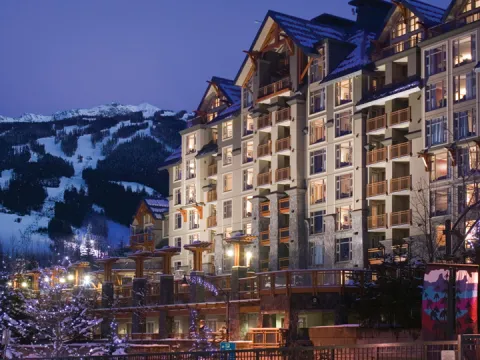
Snow-dusted peaks dropping straight into the Pacific, vineyards edging warm lakes, compact harbourside cities – British Columbia offers a rare mix of wild scenery and polished hospitality. For travellers choosing a hotel in British Columbia, Canada, the first decision is not the star rating, but the landscape you want to wake up to. Ocean, forest, mountain, or wine country; each setting shapes the entire stay.
Urban travellers gravitate to Vancouver and Victoria, where the best hotels cluster near the city center waterfronts. In Vancouver, staying within a few hundred metres of Burrard Street or along Coal Harbour means you can walk from your hotel to the seawall in under 10 minutes, yet still have a fitness center, refined hotel suites, and late-night dining downstairs. Representative properties include the Fairmont Pacific Rim in Coal Harbour, known for its spa and harbour views and last major renovation in 2010 (per Fairmont brand materials), and the Rosewood Hotel Georgia near Robson Street, which pairs 1927 heritage architecture with a rooftop pool and a full restoration completed in 2011.
In Victoria, a hotel in the compact Inner Harbour district places you steps from the Parliament Buildings and the seaplane docks, with many properties offering a direct harbour view from their rooms or suites. The Fairmont Empress fronts the waterfront and is famous for afternoon tea; a multi-year renovation completed around 2017 refreshed guest rooms and public spaces according to Fairmont press releases. The Magnolia Hotel & Spa, a block inland, trades grand public spaces for quieter rooms and boutique-style service, and consistently earns guest-review scores above 9/10 on major booking platforms. Most central Victoria hotels sit within a 15-minute walk of the Royal BC Museum and Old Town.
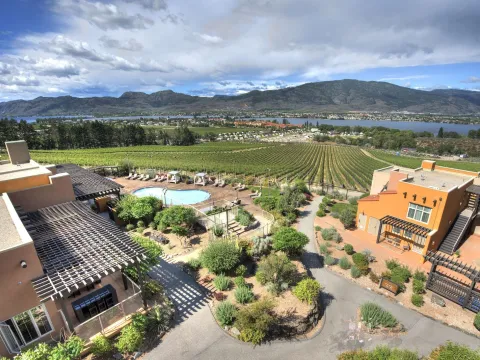
Outside the cities, hotels and resorts spread along the Okanagan Valley, Vancouver Island’s coastline, and the mountain corridors leading toward the Rockies. These stays suit guests who care less about being near a convention center and more about being a short drive – sometimes just a few miles – from trailheads, wineries, or marinas. In West Kelowna, for example, The Cove Lakeside Resort sits directly on Okanagan Lake with on-site pools and a small marina, while nearby wine-focused inns place you within a 5- to 15-minute drive of tasting rooms. If you are choosing between a star hotel in downtown Vancouver and a lakeside inn in West Kelowna, the real question is whether you want nightlife or night skies.
Top hotel picks in British Columbia
- Fairmont Pacific Rim (Coal Harbour, Vancouver) – Luxury waterfront hotel with spa, harbour views, and rooftop pool deck.
- Rosewood Hotel Georgia (Downtown Vancouver) – Restored heritage property with elegant rooms and an acclaimed cocktail bar.
- OPUS Vancouver (Yaletown) – Design-led boutique hotel steps from restaurants, bars, and the Canada Line.
- Fairmont Empress (Inner Harbour, Victoria) – Landmark chateau-style hotel known for afternoon tea and harbour views.
- Magnolia Hotel & Spa (Downtown Victoria) – Intimate boutique stay with spa and consistently high guest-review ratings.
- The Cove Lakeside Resort (West Kelowna) – Condo-style suites on Okanagan Lake with pools, marina, and family-friendly facilities.
- Brentwood Bay Resort (Saanich Peninsula, Vancouver Island) – Quiet oceanfront retreat with spa and marina, about 30 minutes from Victoria.
- Pan Pacific Vancouver (Canada Place, Vancouver) – Upscale harbourfront hotel above the cruise terminal with mountain and ocean views.
How to choose the right area in British Columbia
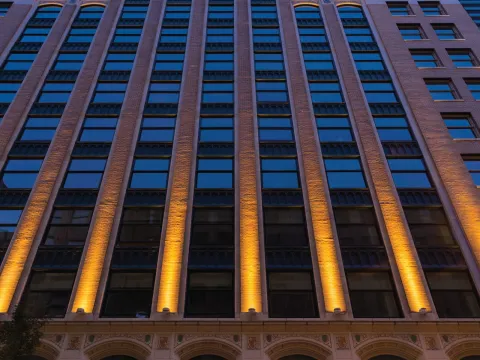
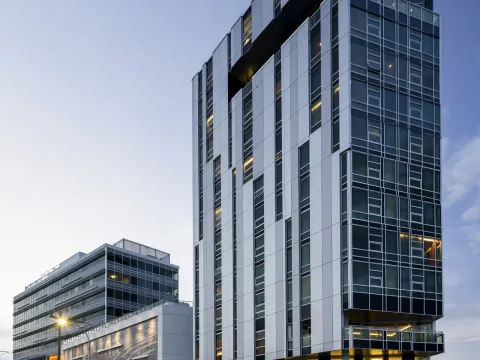
Harbourfront streets in Vancouver and Victoria feel very different once you step out of your hotel at night. Around Vancouver’s Canada Place and along West Cordova Street, glass towers and cruise terminals dominate the skyline, and many of the best hotels here lean into business and conference travel, with large lobbies, extensive meeting rooms, and a polished, international style. Cross the water to North Vancouver, however, and the mood softens; hotels near Lonsdale Quay offer views back to the city center, but the pace is more residential, with local cafés and the Shipyards district a short walk away.
On Vancouver Island, hotel Victoria choices concentrate around the Inner Harbour and Old Town. A harbour-facing star hotel here suits travellers who want to explore on foot, as most key sights sit within a 1 km radius. A few streets inland, near Government Street and Fort Street, smaller properties trade direct water views for quieter nights and easier access to neighbourhood restaurants. In both cases, you are rarely more than a 15-minute walk from the water, and city buses link the harbour to residential districts and the university in roughly 20 to 30 minutes.
In the Okanagan, West Kelowna and neighbouring communities stretch along the shores of Okanagan Lake. Hotels and resorts here often sit a short drive – sometimes just a few kilometres – from vineyards and lake beaches. Guests who prioritise wine tasting and lake activities should look for hotels on British Columbia side roads close to wineries such as Mission Hill or Quails’ Gate, while those focused on golf or hiking may prefer properties slightly inland, where early morning starts are easier and traffic is lighter. Summer rates in this region typically peak from late June through August, with shoulder-season prices in spring and autumn often 20–30% lower according to regional tourism-board summaries and major booking-site averages.
What to expect from hotels, rooms, and suites
Room categories in British Columbia tend to be straightforward, but the differences matter. Standard rooms in city hotels usually prioritise efficient layouts and soundproofing over dramatic design, while higher categories – often labelled as view rooms or hotel suites – add square metres, seating areas, and better sightlines toward the harbour, mountains, or skyline. In Vancouver, a corner suite facing north can mean a direct line to the North Shore peaks, whereas a south-facing room may trade mountain drama for city lights and sunset views over the downtown core.
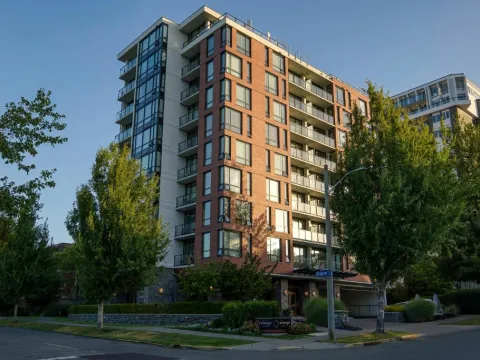
Many properties in the province offer inn suites or extended-stay style rooms, with kitchenettes and separate living areas. These work well for families or guests planning longer stays, especially in resort areas or near Vancouver Airport, where a night before or after a flight can easily stretch into a weekend. Typical mid-range extended-stay hotels around the airport and in suburban districts might start around CAD 180–250 per night outside peak summer, based on publicly listed rates on major booking platforms. When comparing options, look closely at floor plans and descriptions; the term “suite” can range from a slightly larger open-plan room to a fully separated one-bedroom apartment-style layout.
In terms of amenities, indoor pool facilities and a well-equipped fitness center are common in mid to upper-range hotels, particularly in the larger cities and resort corridors. Some properties add small spa areas or relaxation lounges, which become especially appealing after a day of skiing, hiking, or meetings. If you value quiet, request a room away from elevators and ice machines; if you value the view more than silence, upper floors facing the water or mountains are usually worth the trade-off. In winter, especially in mountain regions, confirm whether parking is underground or covered, as this can make early departures in snowy conditions much easier.
Comparing city hotels, airport stays, and resorts
Staying in the heart of Vancouver or Victoria offers immediacy. Step out of your hotel front door near Robson Street and you are within a few Vancouver miles – roughly a 10- to 20-minute walk – of galleries, restaurants, and the seawall, all without needing a car. City center hotels tend to have higher star ratings and more formal service structures, with concierges, bell staff, and multiple dining venues. They suit guests who want to maximise time in museums, shops, and theatres, and who appreciate structured services over seclusion.
Airport hotels around Vancouver Airport serve a different purpose. Here, efficiency and predictability matter more than harbour views. Many of these properties, including familiar international brands such as Hilton, DoubleTree by Hilton, or Hampton Inn, focus on quick check-in, reliable amenities, and practical touches like early breakfast options and shuttle services. For a single night between flights, the ability to walk or ride a short shuttle – often 5 to 10 minutes – to your gate often outweighs the appeal of a downtown address. Typical nightly rates can be lower than comparable city hotels, especially outside major event dates, with many mid-range options frequently listing between CAD 160 and CAD 230 according to aggregated booking-site data.
Resort-style hotels in regions such as West Kelowna or along Vancouver Island’s coastline lean into their surroundings. Expect more outdoor space, from lakeside lawns to forested trails starting near the property. These hotel–resort combinations often include on-site restaurants that highlight local produce, as well as seasonal activities arranged through the front desk. For travellers deciding between a compact city stay and a resort, focus on how you want to spend your days: structured around urban experiences – museums, shopping, dining – or around the landscape itself, with time blocked out for hikes, boat trips, or wine tours.
Essential details to verify before you book
Star ratings in British Columbia provide a rough guide, but they do not tell the whole story. A four star hotel in a heritage building in Victoria may offer smaller rooms but richer character, while a similar rating in a newer Vancouver tower might signal larger, more standardised spaces with a contemporary finish. Look beyond the rating to the most recent guest reviews, paying attention to comments about noise, maintenance, and service consistency rather than isolated complaints. Checking the date of the last major renovation on the hotel’s own fact sheet or press releases can also help you distinguish between a property that feels fresh and one that is starting to show wear.
Parking and access deserve more scrutiny than many travellers give them. In dense city center districts, free parking is rare, and garages can be tight for larger vehicles. If you are road-tripping across British Columbia, consider hotels on the edge of downtown cores or in areas like North Vancouver, where properties are more likely to include on-site parking or easier street access. In resort regions, parking is usually simpler, but it is still worth confirming whether spaces are directly adjacent to the hotel or in a separate lot, and whether there are additional fees for oversized vehicles, trailers, or electric vehicle charging.
Breakfast policies vary widely. Some inn-style properties and select chains may include a free breakfast, often in a casual dining room, while many higher-end hotels treat breakfast as a separate, more elaborate experience. Decide whether you prefer the convenience of something included or the flexibility to explore local cafés. Finally, check practical details such as indoor pool opening hours, fitness center size, and whether late check-in is straightforward if you are arriving after a long drive at night. If you expect to arrive after midnight, it is worth emailing the front desk in advance so the hotel can note your timing and keep your room secure.
Who British Columbia hotels suit best – and when to go
Travellers who value variety over repetition tend to thrive in British Columbia. In a single trip, you can pair a harbourfront night in Victoria with a few days in wine country and a final stay in a Vancouver high-rise, each hotel offering a distinct sense of place. Urban explorers who enjoy walking will appreciate how compact both downtown Vancouver and Victoria are; from many central hotels, you can reach major sights within 10 to 20 minutes on foot, whether that is the seawall near Stanley Park or the historic streets around Johnson Street.
Outdoor-focused guests, from hikers to skiers, benefit from the province’s geography. Choosing hotels within a short drive of trailheads or ski areas means you can be on the mountain or in the forest early, then back in time for a swim in the indoor pool or a quiet drink overlooking the water. Families often gravitate toward inn suites or hotel suites with separate sleeping areas, especially when combining city stays with longer stretches in resorts, where extra space and kitchenettes make a noticeable difference. A simple sample itinerary might include two nights in downtown Vancouver, two or three nights in West Kelowna for lake and wine activities, and a final night in Victoria before flying home.
As for timing, shoulder seasons reward the patient. Spring and autumn bring softer light, fewer crowds, and a calmer pace in both cities and resort areas. Winter suits travellers drawn to snow sports and cosy interiors, while summer appeals to those who want long evenings on patios and warm lake swims. Whatever the season, the best hotels in British Columbia share one trait; they use the surrounding landscape as their strongest amenity, whether that is a mountain view framed by floor-to-ceiling glass or the simple quiet of a harbour at dawn. For many visitors, this combination of scenery, comfort, and manageable travel distances is what turns a first stay in British Columbia, Canada, into a repeat destination.
FAQ
Is British Columbia a good choice for a first trip to Canada?
British Columbia works very well for a first Canadian trip because it combines accessible cities with dramatic nature in a relatively compact area. You can land at Vancouver Airport, spend a few nights in the city center, then reach Victoria, wine country, or mountain regions within a day’s travel, all while staying in comfortable hotels that cater to international guests. Direct flights from major hubs and clear tourist infrastructure make it easier to navigate than more remote provinces.
Which area in British Columbia is best for a short city break?
For a short city break, downtown Vancouver and Victoria’s Inner Harbour are the strongest options. Both areas offer dense clusters of hotels, easy walking access to major sights, and a wide choice of restaurants and cultural venues, so you can experience a lot in just a few days without long transfers. In Vancouver, staying near Burrard Street or Canada Place keeps you close to the SkyTrain for airport access, while in Victoria, harbourfront hotels place you within minutes of museums, whale-watching docks, and the main shopping streets.
How should I compare hotels in British Columbia before booking?
When comparing hotels, focus on location first, then on room type and amenities. Check how far the property is from the places you plan to visit, review recent guest feedback about noise and service, and verify practical details such as parking, breakfast options, indoor pool or fitness center access, and whether the room category you choose offers the view or space you expect. It can help to shortlist three to five properties, then compare them side by side on price, cancellation policies, and any resort or parking fees.
Are airport hotels in Vancouver convenient for early flights?
Hotels near Vancouver Airport are designed for convenience, especially for early or late flights. Many are located within a short shuttle ride or a brief taxi journey of the terminals, and they typically offer streamlined check-in, early breakfast options, and amenities like fitness centers to make a single night stay efficient and comfortable. Some properties are connected to the terminal by covered walkways or the Canada Line rapid transit, which can reduce transfer times to under 15 minutes door to door.
Do I need a car to enjoy hotels in British Columbia?
In downtown Vancouver and Victoria, you can comfortably stay without a car, as most attractions are within walking distance or a short public transit ride. For resorts, wine regions such as West Kelowna, and more remote coastal or mountain areas, having a car gives you far greater flexibility and makes it easier to reach trailheads, vineyards, and smaller communities. If you prefer not to drive, look for guided tours that depart from central hotels, or base yourself in areas with reliable regional bus or shuttle services.
Hotel british columbia canada
Choosing a hotel in British Columbia, Canada, is ultimately about matching your preferred landscape and travel style with the right area and property type. Decide first between city, airport, or resort settings, then refine your choice by neighbourhood, room category, and key amenities such as parking, breakfast, and wellness facilities, so that the hotel becomes a natural extension of the trip you want to have. With a bit of planning, you can combine several regions in one itinerary and experience how different each part of the province feels, even when the distance between hotels is only a few hours by road or ferry.