Planning where to stay in downtown Toronto? Compare key areas and hotels near the CN Tower, museums, and waterfront to find the best base for your trip.
Where to Stay in Downtown Toronto: Best Areas & Hotels
Why downtown Toronto works so well for a city stay
Streetcars sliding along Queen Street, the CN Tower cutting into the sky, and Lake Ontario just a short walk south – downtown Toronto places you in the thick of Canada’s largest city. For most travelers, this is the smartest area to book a hotel in Toronto when time is limited and top attractions matter more than a quiet suburb. You are also in the core served by the TTC subway, streetcars, and GO Transit, which keeps transfers simple even on a short break.
From here, you can walk to the Royal Ontario Museum, the Art Gallery of Ontario, and Ripley’s Aquarium of Canada without navigating long commutes. Union Station anchors the southern edge of downtown Toronto, so airport trains, regional lines, and subway connections all converge in one place. That makes a weekend stay surprisingly efficient: arrive, check in, drop your bags, and you are already where you need to be.
The trade-off is obvious. Hotels downtown are in high demand, especially around major events and summer festivals, so the most polished rooms and the best hotel offers tend to be snapped up early. If you value proximity to the city’s cultural core more than absolute calm, this is where you should focus your booking search for a hotel Toronto stay.
Key downtown neighborhoods and what they feel like
South of Queen Street West, the Financial District and Entertainment District form the classic postcard of Toronto: glass towers, theatres, sports arenas, and a constant flow of office workers. A hotel here suits travelers who want to walk to top attractions such as the CN Tower, the aquarium, and the waterfront, then slip back to their room between meetings or shows.
Specific properties in this pocket include Fairmont Royal York (upper-mid to luxury, usually from around CAD 350–500 per night; ranges based on 2024 public rates), directly opposite Union Station and roughly a 10-minute walk to the CN Tower, and Delta Hotels by Marriott Toronto (mid to upper-mid, often CAD 280–400), which sits about 5 minutes on foot from Ripley’s Aquarium of Canada and Rogers Centre. For travelers who want a contemporary feel and easy nightlife access, Hyatt Regency Toronto on King Street West (mid-range, typically CAD 250–350) places you within a 10-minute walk of the Entertainment District’s theatres and restaurants.
- Fairmont Royal York – Pros: Directly at Union Station; grand historic lobby; extensive dining. Cons: Higher nightly rates; busy lobby during events.
- Delta Hotels by Marriott Toronto – Pros: Excellent for CN Tower and aquarium access; modern rooms; good for business and leisure. Cons: Limited old-town character; event nights can feel crowded.
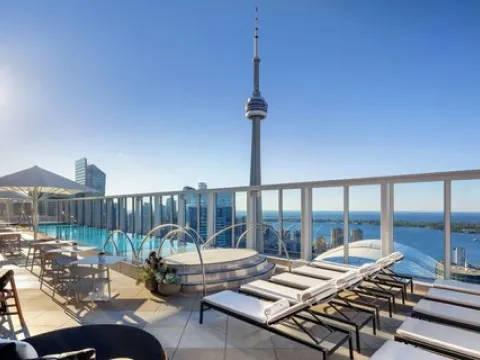
- Hyatt Regency Toronto – Pros: Strong choice for King Street nightlife; practical mid-range pricing; rooftop pool in season. Cons: Some rooms face lively streets; decor is more functional than plush.
North along Yonge Street towards College Street, the mood softens. This stretch mixes shops, cafés, and residential towers, with easy subway access and a slightly more local rhythm. It works well if you want to enjoy the city but also retreat from the busiest blocks at night.
In this corridor, Chelsea Hotel, Toronto (mid-range, often CAD 220–320; typical 2024 range) appeals to families with its indoor pool and kids’ facilities, about a 15-minute walk or short subway ride to the Art Gallery of Ontario. Nearby, Courtyard by Marriott Toronto Downtown (mid-range, usually CAD 230–330) offers practical rooms and quick access to College subway station, putting the Royal Ontario Museum about 10 minutes away by transit. These hotels balance central convenience with a slightly quieter feel than the blocks around Union Station.
- Chelsea Hotel, Toronto – Pros: Family-friendly pools and play areas; large room inventory; close to Yonge subway. Cons: Can feel busy and informal; decor varies between room types.
- Courtyard by Marriott Toronto Downtown – Pros: Reliable mid-range option; straightforward walk to College Station; good value for central Toronto. Cons: Fewer resort-style amenities; views are more urban than scenic.
West of University Avenue, near the Art Gallery of Ontario and the quiet streets around Grange Park, you feel closer to Toronto’s creative side. Galleries, small restaurants, and tree-lined side streets make this pocket attractive for culture-focused stays. Each of these popular neighborhoods offers a different balance of energy, noise, and convenience, so it is worth deciding which atmosphere fits your trip before you compare Toronto hotels.
Culture-minded guests often look at Hilton Toronto (upper-mid, generally CAD 260–380) about a 12-minute walk to the Art Gallery of Ontario and 15–20 minutes on foot to the Royal Ontario Museum, or DoubleTree by Hilton Toronto Downtown (mid-range, roughly CAD 230–330), which sits a short 8–10-minute walk from the gallery and close to Chinatown’s restaurants. Both provide straightforward access to University Avenue and Dundas Street West while keeping you within a quick subway ride of the waterfront and CN Tower.
- Hilton Toronto – Pros: Good balance of business and leisure facilities; indoor pool; easy walk to City Hall and theatres. Cons: Surroundings feel more corporate; some rooms prioritize function over character.
- DoubleTree by Hilton Toronto Downtown – Pros: Handy for Chinatown dining; indoor pool and gym; often competitive rates. Cons: Rooms can feel compact; immediate area is busy at peak times.
| Hotel |
Typical Category |
Approx. 2024 Rate Range (CAD) |
Best For |
| Fairmont Royal York |
Upper-mid to luxury |
350–500 |
Rail access, classic downtown stay |
| Delta Hotels by Marriott Toronto |
Mid to upper-mid |
280–400 |
CN Tower and waterfront visits |
| Hyatt Regency Toronto |
Mid-range |
250–350 |
Nightlife and Entertainment District |
| Chelsea Hotel, Toronto |
Mid-range |
220–320 |
Families and longer city breaks |
| Courtyard by Marriott Toronto Downtown |
Mid-range |
230–330 |
Transit access and value |
| Hilton Toronto |
Upper-mid |
260–380 |
Business trips and culture |
| DoubleTree by Hilton Toronto Downtown |
Mid-range |
230–330 |
Chinatown and AGO access |
What to expect from rooms, design, and comfort levels
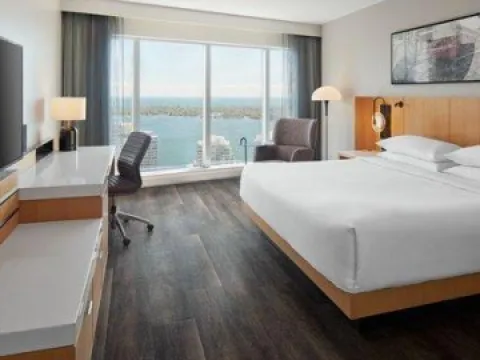
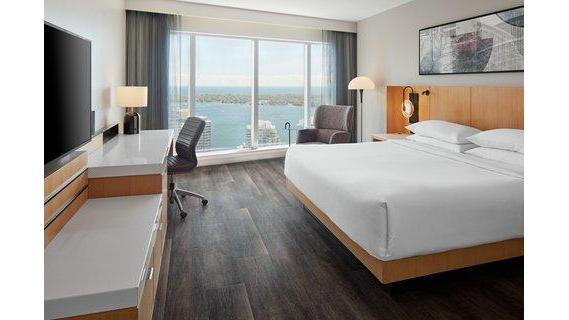
Rooms in downtown Toronto tend to be compact by North American resort standards, but they compensate with smart layouts and city views. Expect a clear hierarchy: entry-level rooms focus on efficient comfort, while higher categories add more generous seating areas, better views, and more refined finishes. Corner rooms often feel noticeably brighter, especially in towers facing Lake Ontario or the skyline.
Design varies from classic city hotel style – neutral palettes, dark woods, understated art – to more contemporary spaces with cleaner lines and large windows framing the city. In many properties, the difference between a standard room and a higher category is less about size and more about outlook and quiet. A room on a higher floor facing away from a major artery like Bay Street can transform the feel of your stay.
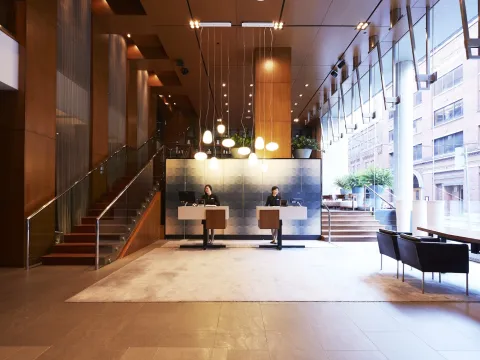
Star ratings in downtown Toronto generally reflect service scope and facilities rather than sheer glamour. A four star Toronto hotel might offer a polished lobby, a solid restaurant, and a well-equipped fitness area, while a simpler property focuses on a good bed and a practical base. When you check options, pay close attention to room descriptions and floor plans rather than relying only on the official category.
Choosing the right downtown Toronto hotel for your trip
Business travelers usually gravitate towards the corridor between Union Station and City Hall. From there, you can walk to offices in the Financial District, reach meetings via the PATH underground network, and still be close enough to enjoy dinner on King Street West. For this profile, a hotel with efficient check-in, reliable in-house dining, and quick access to transit matters more than a resort-style pool.
Leisure guests planning to enjoy a long weekend in the city often prefer staying slightly north, near the Royal Ontario Museum or the Art Gallery of Ontario. This puts you within a short ride of the waterfront and the aquarium, but also close to quieter residential streets, independent cafés, and green spaces. Families, in particular, appreciate being able to walk to museums in the morning and then retreat to calmer blocks in the afternoon.
If nightlife and dining are your priorities, look closely at hotels downtown near King Street West and Queen Street West. These areas offer some of the city’s most popular restaurants and bars within a few hundred metres. The trade-off is late-night noise and a more intense street scene, so light sleepers may want to request higher floors or rooms facing inner courtyards when finalizing their booking.
How to compare offers, save smartly, and avoid surprises
Rates in downtown Toronto move with the city’s calendar. Major conferences, sports playoffs, and summer festivals can push prices up quickly, while quieter shoulder seasons often bring more interesting hotel deals. Instead of chasing the absolute lowest rate, focus on value: what is included in the room category, how flexible the conditions are, and whether the location will actually save you time and transport costs once you arrive.
When you check different Toronto hotels, compare not only the nightly rate but also the details that shape your stay. Is breakfast available on site or will you rely on nearby cafés along Yonge Street or Queen Street? Are there practical touches such as late check-out options or luggage storage that might matter for a late flight?
Packages and seasonal hotel offers can be worthwhile if they align with your plans. For example, a weekend stay that includes access to a nearby art gallery or a museum pass can simplify your planning around the Royal Ontario Museum or the Art Gallery of Ontario. Always read the conditions carefully so that the inclusions match how you actually intend to enjoy the city.
Who downtown Toronto suits best – and when to look elsewhere
Travelers who thrive on urban energy will feel at home in downtown Toronto. If you like stepping out of your hotel into a stream of people, with theatres, arenas, and restaurants within a 10 to 15 minute walk, this is your natural base. Short stays, first-time visits to Canada, and trips focused on top attractions such as the aquarium, major galleries, and waterfront walks all benefit from this centrality.
Families with young children or light sleepers should weigh the trade-offs more carefully. A central address near a major intersection like Yonge and Dundas means bright lights and late-night noise, even if the room itself is well insulated. In those cases, choosing a property a little further north or west, on a quieter side street, can offer a better balance between access and rest.
Some travelers come to Ontario for a broader itinerary that includes Niagara wine country or cottage country north of the city. For them, a night or two in a downtown Toronto hotel at the start or end of the trip works well, but a longer stay might feel unnecessary. If your focus is nature rather than city life, consider limiting your time downtown and allocating more nights to lakeside or rural properties elsewhere in the province.
Planning your days from a downtown base
Starting the morning on University Avenue, you can walk north to the Royal Ontario Museum in about 20 minutes, passing the University of Toronto’s historic campus along the way. From there, the Art Gallery of Ontario sits roughly 1 kilometre west, on Dundas Street, making it easy to pair both institutions in a single day. A hotel in this corridor lets you move mostly on foot, which changes how you experience the city.
From a property closer to the lake, your day might revolve around the waterfront and Entertainment District. Ripley’s Aquarium of Canada, the CN Tower, and the Rogers Centre cluster within a compact area south of Front Street, so you can visit several top attractions without ever boarding a tram. In the evening, King Street West offers a dense run of restaurants and theatres, ideal if you prefer to enjoy the city without long rides back to your room.
For a more local rhythm, plan time in popular neighborhoods just beyond the core. A short streetcar ride west brings you to the edges of Trinity Bellwoods Park and the independent shops along Queen Street West, while heading east leads towards the historic St. Lawrence Market area. Using a downtown Toronto hotel as your anchor, you can explore widely during the day and still return easily to a familiar base each night.
Is downtown Toronto a good area to stay in for first-time visitors?
For a first visit, downtown Toronto is usually the most practical and rewarding area to stay in. You are close to major sights such as the Royal Ontario Museum, the Art Gallery of Ontario, and the waterfront, with easy access to transit at Union Station and along Yonge Street. This central base reduces travel time, simplifies planning, and lets you experience the city’s energy from morning to late evening.
What should I check before booking a hotel in downtown Toronto?
Before confirming a booking, check the exact location on a map, the distance to the attractions you care about, and how close the hotel is to a subway or streetcar stop. Review room types carefully, paying attention to floor level, view orientation, and whether the layout suits your needs. It is also wise to compare rate conditions, such as flexibility and inclusions, rather than focusing only on the headline price.
Which part of downtown Toronto is best for culture and museums?
The area around Bloor Street, University Avenue, and Dundas Street West works particularly well for culture-focused stays. From there, you can walk to the Royal Ontario Museum, the Art Gallery of Ontario, and the University of Toronto campus in under 20 minutes. This pocket offers a quieter feel than the Entertainment District while still keeping you connected to the rest of the city.
Is a downtown Toronto hotel suitable for a family weekend?
A downtown Toronto hotel can be an excellent base for a family weekend, especially if you plan to visit Ripley’s Aquarium of Canada, the CN Tower, and nearby museums. Look for rooms with flexible layouts and consider staying slightly away from the noisiest intersections for better sleep. Being able to walk or take short transit rides to most activities keeps days manageable with children.
When is the best time of year to stay in downtown Toronto?
Spring and autumn often offer a comfortable balance of pleasant weather and manageable crowds in downtown Toronto. Summer brings festivals, outdoor events, and a lively waterfront, but also more demand for central hotels. Winter stays can feel atmospheric, especially around the holiday season, provided you are prepared for colder temperatures and plan more indoor activities.