Plan your stay in downtown Halifax with this practical guide to waterfront vs city core hotels, typical prices, walking times, and which areas work best for views, families, and business trips.
Why downtown Halifax works so well for a stay
Harbour air hits you first on the Halifax waterfront, that mix of salt, diesel, and seaweed that tells you you are in a working Atlantic port, not a stage set. Staying in downtown Halifax means stepping out of your hotel and being on the boardwalk in minutes, watching tugs move across the harbour while locals line up for coffee on Lower Water Street. For most travellers, this is the best area to stay in Nova Scotia’s capital if you want to feel the city rather than just visit it.
The compact city centre runs roughly from the Citadel on the hill down to the harbourfront and along streets like Barrington, Hollis, and Granville. Hotels downtown cluster in two main bands: one right on or just above the Halifax waterfront, the other around the business and entertainment core near the Scotiabank Centre and the convention district. You can walk across this whole zone in about 15 minutes, which makes it unusually convenient compared with many North American cities.
Choosing a hotel in downtown Halifax is essentially a choice between water views and urban energy. Harbourfront hotel properties put you closer to the boardwalk and the ferries, while city-facing addresses give faster access to restaurants, theatres, and late-night spots. Both work well; the right answer depends on whether you picture yourself ending the day with a quiet harbour view or a short stroll back from a concert.
Waterfront versus city core: two very different moods
Rooms facing the harbour feel almost nautical, especially on clear mornings when container ships slide past Georges Island and the light bounces off the water. A Halifax waterfront stay suits travellers who want to lean into the maritime side of Nova Scotia: sea breezes, long walks along the boardwalk, and easy access to boat tours. Harbourfront hotel options such as Halifax Marriott Harbourfront Hotel on Upper Water Street, The Westin Nova Scotian beside the VIA Rail station, and Muir, Autograph Collection in the Queen’s Marque district also tend to be popular with first-time visitors who want orientation to be as simple as following the shoreline.
Move a few blocks uphill toward Argyle Street and the mood changes. Here, downtown Halifax hotels sit amid office towers, theatres, and the main sports arena, the Scotiabank Centre. This area works better if your stay revolves around events, business meetings, or evenings out, because you can step from your lobby into the city’s densest cluster of bars and dining options. You trade the sound of waves for the hum of the city, but you gain immediacy.
There is a trade-off worth acknowledging. Harbourfront properties often have the most coveted views but can feel slightly removed from late-night city life once you leave the boardwalk. Hotels in the core, especially around Barrington and Spring Garden Road, may not offer sweeping harbour vistas, yet they deliver a stronger sense of Halifax as a lived-in city, with coffee runs, office workers, and students from nearby campuses sharing the sidewalks with visitors.
What to expect from rooms, suites, and amenities
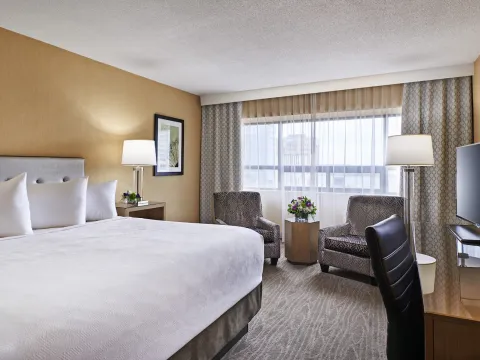
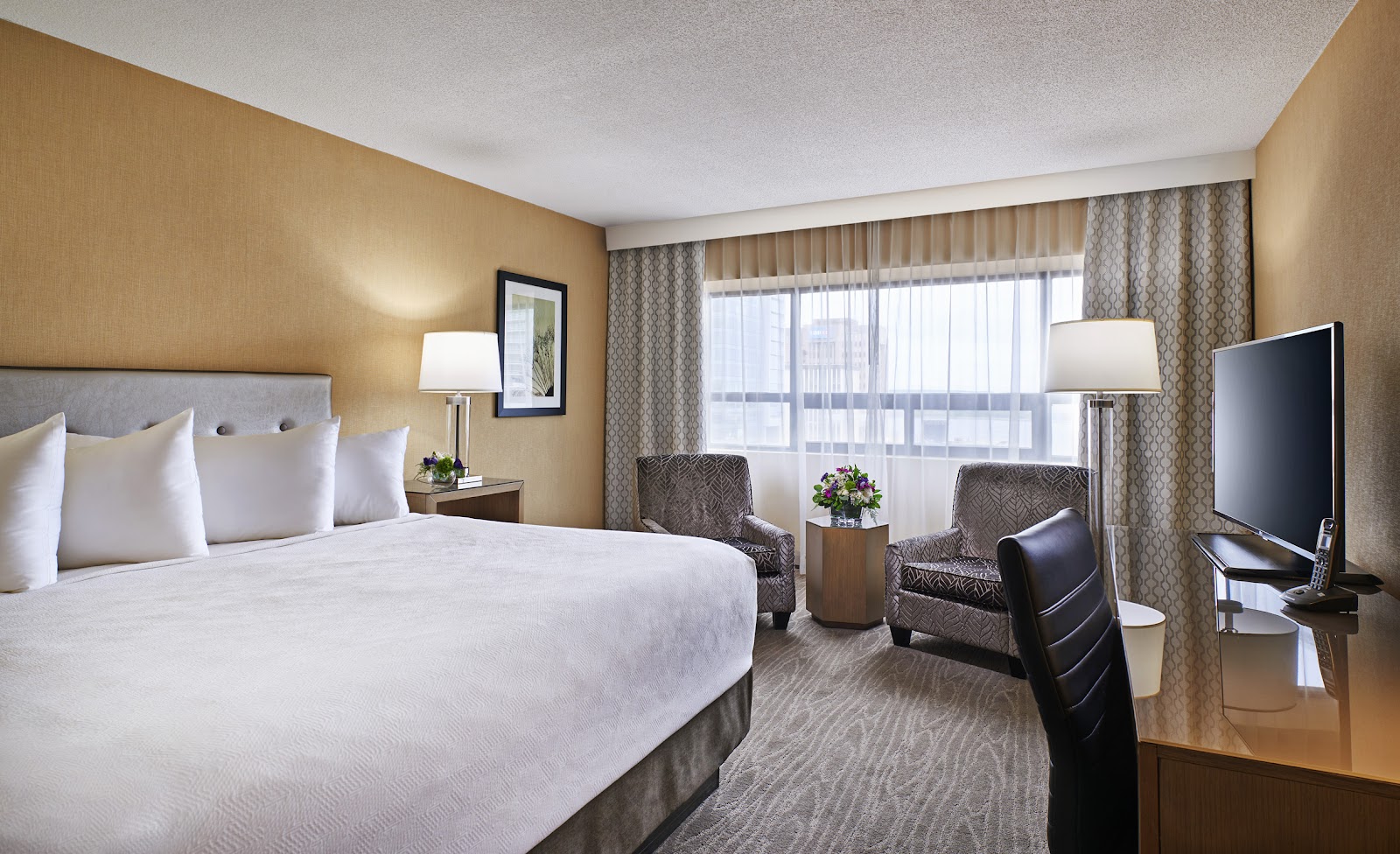
Downtown Halifax hotels skew toward mid to upper-upscale, with a handful of properties that clearly target luxury travellers. Expect well-finished rooms rather than palatial suites, though some addresses do offer larger suites with separate living areas and, in a few cases, full kitchens. As a rough guide, standard rooms in peak summer often run from the mid-CAD $200s into the $400s per night, with harbour-view and suite categories at the higher end. Those extended-stay style suites are particularly useful for families, longer business trips, or travellers who prefer to self-cater with Nova Scotia produce from the farmers’ market.
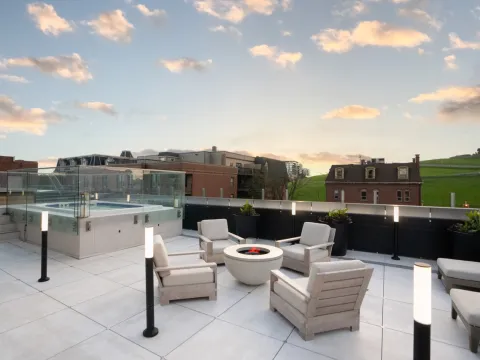
Many Halifax hotel options in the core include indoor pools, a practical response to Atlantic weather that can shift from fog to drizzle in an afternoon. If a pool matters to you, verify its size and setting; some are compact plunge-style pools mainly aimed at families, while others are integrated into more complete wellness floors with fitness rooms and saunas. Not every property offers this, so it is a clear comparison point between hotels downtown.
Suites in the higher-end segment often prioritise harbour or cityline views, especially on upper floors facing the water or the Citadel. When you see references to “suites Hilton style” or extended-stay brands such as Homewood Suites by Hilton, think in terms of practical layouts: kitchenettes, dining tables, and enough space to spread out. These are not always the most glamorous rooms in the city, but they are among the most functional for longer stays.
Location specifics: streets, landmarks, and walking distances
Orientation matters in Halifax more than a map might suggest. A hotel on Upper Water Street or along the harbourfront promenade puts you within a few hundred metres of the ferry terminal to Dartmouth and the main run of the boardwalk, which stretches past the Maritime Museum of the Atlantic and the working piers. From here, most harbourfront hotel guests can walk to the historic properties district in under five minutes and to the base of the Citadel hill in about 10, with a further 5–10 minutes to reach the fort’s entrance at the top.
Shift to Barrington Street and you are in the city’s traditional commercial spine. A Halifax hotel in this corridor gives quick access to office towers, government buildings, and the Scotiabank Centre, which hosts hockey games, concerts, and major events. Travellers coming specifically for a show or a game often prefer this area, because they can walk back to their room in less than five minutes without worrying about transport or weather.
On the western edge of downtown, near South Park Street and Spring Garden Road, hotels sit closer to the Public Gardens and the university district. This side of Halifax downtown suits guests who value green space and quieter residential streets over direct harbour views. Distances remain short: you can still reach the waterfront in roughly 15 minutes on foot, but your immediate surroundings feel more neighbourhood than port.
Dining, nightlife, and nearby experiences
Food is one of the strongest arguments for choosing downtown Halifax as your base. Within a few blocks you can move from a hotel restaurant serving refined Atlantic seafood to a casual spot pouring local craft beer and plates of fish and chips. Many properties operate their own in-house restaurant or bar, which works well for late arrivals or stormy evenings, but the real strength of the area lies in the variety of independent dining options just outside the lobby.
Argyle Street, only a short walk from most hotels downtown, concentrates a dense strip of bars, pubs, and small venues. Guests staying in the core can easily build an evening around a pre-show dinner, a performance at a nearby theatre, and a nightcap on a heated patio. Those on the waterfront side have a different rhythm: sunset drinks overlooking the harbour, a stroll along the boardwalk, perhaps a visit to the casino complex near the water, and then a quiet walk back along the piers.
Beyond food and nightlife, downtown Halifax offers quick access to key cultural sites. The hilltop Citadel, the harbour ferries, and the main art and history museums all sit within walking distance of the major hotel clusters. This density means you can design a stay where you rarely need a car, an advantage in a compact city where parking can be tight around major events at the arena or the waterfront.
Who downtown Halifax hotels suit best
Business travellers tend to gravitate toward the central grid between Barrington Street and the convention and arena complex. Here, hotels Halifax offers are optimised for quick check-ins, efficient meeting spaces, and easy walks to offices. If your schedule revolves around the Scotiabank Centre, government buildings, or corporate addresses, this is the most practical choice, even if you sacrifice direct harbour views.
Leisure travellers, especially first-time visitors to Nova Scotia, often prefer the harbourfront or the streets just above it. Waking up to the sight of the harbour, grabbing coffee on the boardwalk, and watching the ferries cross to Dartmouth gives a strong sense of place that a generic city view cannot match. Families may find extended-stay style suites, including those under the Homewood name or similar, particularly appealing for their extra space and kitchen facilities.
There is also a clear profile for travellers who might be happier elsewhere. If you are seeking a secluded resort feel, downtown Halifax will not deliver that; the area is about energy, working harbour views, and walkable city life. In that case, you might look to quieter coastal parts of Nova Scotia for your main stay and treat Halifax downtown as a one- or two-night urban interlude at the beginning or end of your trip.
How to choose the right downtown Halifax hotel for you
Start with three filters: harbour versus city view, need for a pool, and preference for standard rooms versus full suites. If you picture yourself using the hotel pool daily, narrow your search to properties that clearly highlight an indoor pool rather than treating it as an afterthought. If you plan to stay a week or more, prioritise suites with kitchenettes or full kitchens over slightly nicer décor; in Halifax, that functional space often matters more than one extra design flourish.
Next, map your likely movements. Guests attending multiple events at the Scotiabank Centre or the nearby casino complex will appreciate being within a few blocks, especially in winter or during rainy Atlantic evenings. Travellers more interested in the Halifax waterfront, harbour tours, and casual boardwalk dining options should focus on addresses along or just above Lower Water Street and Upper Water Street, where the harbour is your constant reference point.
Finally, pay attention to subtle location cues. A hotel on a quieter side street off Barrington may offer a calmer stay than one directly on a nightlife-heavy block, even if they sit only 200 metres apart. In a compact city like Halifax, these micro-differences in setting often shape your experience more than brand names or generic hotel offers, particularly if you are sensitive to noise or value a strong sense of local atmosphere.
What makes downtown Halifax a good place to stay?
Downtown Halifax works well because it concentrates the city’s key experiences within a walkable area: the harbourfront, major cultural sites, business addresses, and the main entertainment district. Travellers can move between the Halifax waterfront, the Citadel, the Scotiabank Centre, and the restaurant-lined streets in minutes, which makes short stays especially efficient. The mix of harbour views and urban energy gives a strong sense of Nova Scotia’s character without requiring a car.
Are there hotels in downtown Halifax with pools and suites?
Yes, several downtown Halifax hotels combine indoor pools with suites that offer extra space or kitchen facilities. Properties aligned with extended-stay brands, including those under the Homewood and Hilton families, are particularly known for suites with separate living areas and practical layouts. These options suit families, longer business trips, or travellers who prefer to self-cater while still staying in the heart of the city.
Is it better to stay on the Halifax waterfront or in the city core?
The waterfront is better if you prioritise harbour views, boardwalk walks, and easy access to boat tours and casual seaside dining. The city core around Barrington Street and the Scotiabank Centre is stronger for business trips, events, and nightlife, with faster access to offices, arenas, and theatres. Both areas are close enough that you can walk between them, so the choice comes down to whether you value water views or immediate proximity to urban energy.
Can I explore Halifax without a car if I stay downtown?
Staying in downtown Halifax makes it entirely feasible to explore the city without a car. The main hotel clusters sit within walking distance of the harbour ferries, museums, the Citadel, and the primary dining and nightlife streets. Public transport and taxis cover longer hops, so many visitors choose to forgo a car for the downtown portion of their Nova Scotia trip and only rent one when heading to coastal or rural areas.
Who are downtown Halifax hotels best suited for?
Downtown Halifax hotels are best suited for business travellers, event attendees, and leisure visitors who want a walkable base with strong access to both the harbour and the city’s cultural life. Couples and first-time visitors often favour harbourfront locations for the views, while families and long-stay guests tend to prefer suite-style properties with kitchens. Travellers seeking a secluded, resort-like environment may be better served by coastal areas outside the city and can treat downtown Halifax as a short urban stopover.
Quick shortlist: best downtown Halifax hotels by travel style
For standout harbour views and a classic waterfront setting, look first at Halifax Marriott Harbourfront Hotel and Muir, Autograph Collection. Families and long-stay guests often gravitate toward suite-focused options such as Homewood Suites by Hilton for their kitchen facilities and extra space. Business travellers typically prioritise addresses near Barrington Street and the Scotiabank Centre, where meeting rooms, reliable Wi‑Fi, and fast walks to offices take precedence over direct water views.