Plan your stay in Charlottetown, Prince Edward Island with this guide to the best hotel areas, room types, and historic or boutique-style properties in downtown Charlottetown near the harbour and key sights.
Why Charlottetown, PEI works so well for a hotel stay
Red sandstone cliffs, salt air, and a compact capital city: Charlottetown on Prince Edward Island offers a rare mix of maritime quiet and walkable culture. For a hotel stay, that combination matters more than any marketing slogan. You can land at Charlottetown Airport (about a 10–15 minute drive or taxi ride to downtown Charlottetown in light traffic) and be on the waterfront boardwalk before your phone has finished syncing.
Most premium hotel properties are located within a tight grid between Queen Street and Great George Street, a few hundred metres from the harbour. That means you can often skip driving for days if you wish. Restaurants, galleries, and the Confederation Centre of the Arts sit at street level, showing how closely the city’s cultural life and its hotels intertwine with the historic core of Prince Edward Island.
For travellers comparing “hotel Charlottetown PEI” options with other Atlantic Canada cities, the scale is the key difference. Here, even the larger properties feel human in size. You are rarely more than a 5 to 10 minute walk from Victoria Row’s patios or the lawns of Victoria Park, and the island’s rural coastline is usually less than a 30 minute drive away.
Choosing your area: harbourfront, heritage streets, or quiet residential
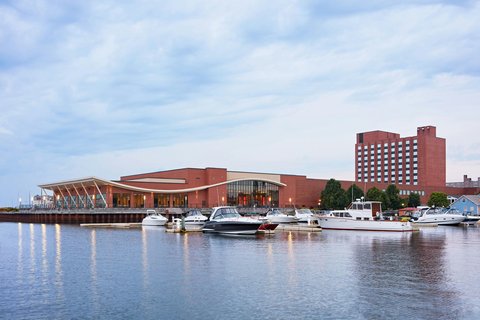
Harbourfront stays put you right by the water, close to the cruise pier and the boardwalk that curves west from Peake’s Wharf. A hotel located here suits travellers who like to step out and immediately see the harbour, with fishing boats and red-and-white pilot vessels moving in and out. It is also practical if you are joining boat tours or island excursions that depart from the marina, as many operators meet guests beside the main pier.
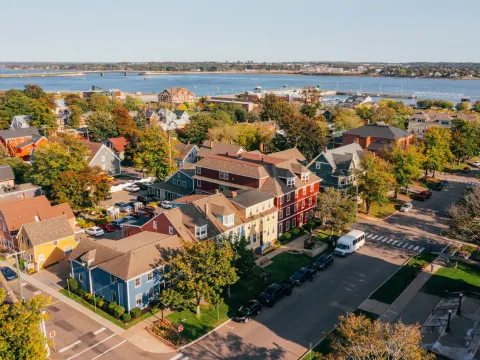
Move two or three blocks inland and you are in the historic grid around Great George Street and Richmond Street. This is where many of the city’s character properties sit, some in buildings with national historic designation linked to the Charlottetown Conference that led to Canadian Confederation. The atmosphere is more intimate here, with tree-lined sidewalks, church spires, and façades showing 19th century brickwork that feels distinctly Prince Edward Island rather than generic downtown.
Farther toward the edges of downtown Charlottetown, you find quieter residential streets with small inns and converted houses. These work well if you prefer a low-key base and do not mind a 10 to 15 minute walk to the waterfront. The trade-off is simple: harbour views and immediate buzz versus calmer nights and a more local, neighbourhood feel, especially if you choose a boutique inn on a side street.
Room types and suites: what to expect at the premium level
Entry-level rooms in Charlottetown’s better hotels tend to be compact but thoughtfully laid out, often with one king or two queen beds and enough space to move comfortably around your luggage. You will not usually find sprawling city views, but you may catch a glimpse of the harbour, a church tower, or the green canopy of Victoria Park depending on your room orientation. Corner bedrooms often feel brighter and are worth requesting if natural light matters to you.
Suites are where the city’s higher-end properties distinguish themselves. Expect inn suites with a separate living area, sometimes divided by French doors, and a more residential feel. A one-bedroom suite can be a smart choice for longer stays or for travellers who plan to work and relax in the room, not just sleep there. Look for layouts that allow one person to rest while another reads or works without disturbing them, and check whether the suite level includes small kitchenettes or upgraded seating.
Some historic properties on Prince Edward Island offer rooms with higher ceilings, original mouldings, or period-inspired furnishings. These are not museum pieces, but they do change the mood of your stay. If you are sensitive to noise or prefer a more contemporary aesthetic, you may want to compare floor plans and request a renovated wing rather than the oldest section of a national historic building, especially if the property dates back to the late 19th century.
Historic charm versus contemporary comfort
Charlottetown gives you a clear stylistic choice: stay in a historic property that leans into the city’s Confederation story, or opt for a more streamlined, contemporary hotel. The first option often means grand lobbies, traditional wood panelling, and public spaces that feel like a set piece from early 20th century Prince Edward Island. You feel the weight of history as you walk down the corridor, which is precisely the point for many guests.
Contemporary hotels in downtown Charlottetown, by contrast, focus on clean lines, lighter colour palettes, and a more urban sensibility. They tend to integrate modern art, open-plan lounges, and glass-fronted façades showing the city rather than hiding it. If you value intuitive lighting, modern bathrooms, and a consistent design language, this style will likely suit you better, particularly for shorter dates when you want everything to feel simple and efficient.
There is also a middle ground: smaller inns that occupy historic shells but have been refitted with modern interiors. These often feel closest to what travellers imagine when they search for a boutique-style inn on the island, even if the term “boutique hotel” is not used. Here, the trade-off is between character and uniformity. You gain individuality and a sense of place, but you may lose some of the predictability of a large, standardised hotel.
Location details that matter: walking distances and local life
Distances in Charlottetown are short, but they still shape your stay. From most central hotels, it is roughly 400 to 600 metres to the waterfront along Queen Street, and about the same to reach Victoria Park’s seaside trail that curves around the point. If you choose a property closer to the park, sunrise and sunset walks become an easy daily ritual, with views across the harbour to the low shoreline of the island’s south coast.
Staying near the intersection of Grafton Street and University Avenue places you beside the Confederation Centre of the Arts, the heart of the city’s theatre and gallery scene. This is ideal if your dates coincide with performances or festivals such as the Charlottetown Festival, as you can leave your seat and be back in your room within minutes. It also means you are surrounded by cafés and restaurants at street level, which keeps the area lively well into the evening.
For a quieter rhythm, look at inns located a few blocks north, toward residential streets lined with clapboard houses and mature trees. Here, mornings start with joggers heading toward the boardwalk and locals walking to work, not with tour buses. The choice is straightforward: if you want to feel the city’s pulse, stay close to the harbour and arts district; if you prefer a softer soundscape, drift a little farther from the core.
Who Charlottetown hotels suit best – and how to choose
Travellers who value walkability and a strong sense of place tend to be happiest with Charlottetown hotels. You can spend several days exploring the capital, then use it as a base for day trips across Prince Edward Island, from the red dunes of the north shore to the pastoral interior. For many, this balance between city comfort and island landscape is the real luxury.
Couples often gravitate toward smaller inns and historic properties, especially those with distinctive bedrooms or suites that feel more like a private residence than a standard hotel room. Families may prefer larger properties with straightforward layouts and easy access to the waterfront, where children can run along the boardwalk and watch the harbour traffic. Solo travellers, especially those on shorter trips, usually prioritise central locations that minimise transit time.
When comparing options, focus on three things: exact location within downtown Charlottetown, the style of the property (historic, contemporary, or hybrid), and the room category you actually plan to book. The best match is rarely the most famous name, but the hotel whose atmosphere aligns with how you want to experience this small capital on the edge of the Atlantic.
Best hotels in Charlottetown, Prince Edward Island – FAQ
Is Charlottetown a good base for exploring Prince Edward Island?
Charlottetown works very well as a base because it sits roughly in the central-southern part of Prince Edward Island, with road access in all directions. You can reach north shore beaches, rural villages, and other island towns typically within 30 to 60 minutes by car, then return to a walkable downtown with restaurants and cultural venues at night.
Where is the best area to stay in Charlottetown for first-time visitors?
First-time visitors usually do best staying in downtown Charlottetown, within a few blocks of the waterfront and the Confederation Centre of the Arts. This area lets you walk easily to the harbour, Victoria Row, and key historic sites, while still being close to main roads for day trips across the island.
Are there historic hotels in Charlottetown?
Yes, Charlottetown has several historic properties, including some housed in buildings with national historic significance linked to the Confederation era. These hotels often feature traditional architecture, period-inspired interiors, and locations close to landmarks such as Great George Street and the city’s older churches.
What types of rooms and suites are common in Charlottetown hotels?
Most hotels offer standard rooms with one king or two queen beds, along with a selection of suites that add a separate living area or bedroom. In smaller inns and historic properties, you may also find unique layouts, higher ceilings, or inn suites that feel more like apartments, which can be appealing for longer stays.
Do I need a car if I stay in downtown Charlottetown?
You can comfortably explore downtown Charlottetown on foot from most central hotels, as key sights and restaurants are within a short walking radius. A car becomes useful if you plan to explore the wider island extensively, but for a city-focused stay of a few days, it is not strictly necessary.