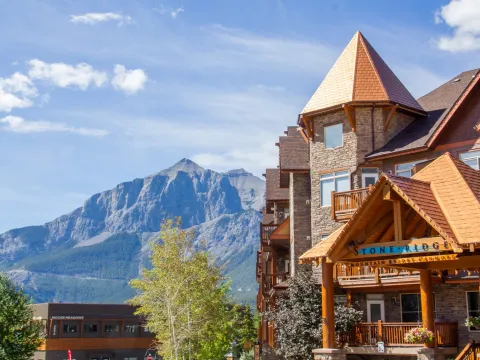
Plan a hotel stay in Banff, Alberta with tips on the best areas, room types, seasonal experiences, and how to choose the right Banff hotel for views, shuttles, and access to Banff National Park.
Why Banff, Alberta is worth a dedicated hotel stay
Snow on the peaks, steam rising from outdoor springs, and a compact mountain town that still feels like a real community rather than a stage set. That combination makes a hotel stay in Banff, Alberta more than just a place to sleep. It becomes part of the Banff National Park experience itself, especially when you choose one of the top hotels in Banff town, from heritage icons to modern mountain lodges.
Banff is located inside Banff National Park, about 130 km west of Calgary along the Trans-Canada Highway. That means every hotel stay Banff offers is framed by protected wilderness, strict building controls, and a constant backdrop of mountain views. You are not choosing between city and nature here; you are choosing how close to the forest edge you want to be and which Banff hotel style suits your trip, whether that is a grand resort, a boutique inn, or a family-friendly suite hotel.
For most travelers, the town of Banff is the best base. From Banff Avenue to Spray Avenue and Mountain Avenue, you can walk to restaurants, trailheads, and shuttle stops for ski areas and Lake Louise. A well-located hotel lets you park the car and forget it, which is often the most luxurious feeling of all after a long day in the mountains, and it is one of the main reasons many visitors choose to stay several nights in Banff rather than commuting from elsewhere.
Understanding Banff’s main hotel areas
On Banff Avenue, guest rooms sit above the town’s main promenade of cafés, gear shops, and galleries. Stay here if you want to step out of your hotel building and be in the middle of the action within seconds. It suits travelers who like to check a few things off in one stroll: dinner, a drink, a quick look at the night sky over Cascade Mountain, and perhaps a last-minute stop at a rental shop before an early start.
Along Spray Avenue and Mountain Avenue, properties pull slightly away from the bustle. These locations lean into the mountain resort feeling, with more space, bigger hotel suites, and often quieter surroundings at night. You trade a few minutes of walking or a short shuttle ride for stronger mountain views and a more secluded atmosphere, which many guests prefer for longer stays or special occasions.
North of town, near the junction with the Trans-Canada Highway, some hotels sit on small rises with panoramic views back toward the town of Banff and the surrounding peaks. From here, you see the curve of the Bow River and the line of the railway, a reminder that this was once a remote railway outpost before it became a year-round resort. This area works well if you plan to drive frequently toward Lake Louise or further into the national park, since you can be on the highway in just a few minutes even on busy mornings.
What to expect from luxury and premium stays
High-end hotels in Banff lean into a specific fantasy: the castle in the Rockies. Turreted roofs, grand lobbies, and long corridors lined with historic photographs are common, especially in the older landmark properties. The experience is less about minimalism and more about a sense of occasion, from the moment you step into the building and see the mountains framed through tall windows.
Rooms at the top tier range from compact heritage guest rooms to expansive suites with separate living areas. Do not expect a uniform product; layouts can vary widely in historic properties, which is part of the charm but also a reason to check room descriptions carefully when you book. Many premium rooms prioritize framed mountain views over sheer floor space, so a smaller room facing the peaks can feel more special than a larger one facing the inner courtyard or a quieter side street.
Resort-style amenities are a major part of the appeal. Think extensive spa facilities, indoor and outdoor pools fed by heated water, and in some cases access to a golf course when the snow melts. In winter, the same resort offers easy logistics for ski shuttles and gear storage, turning the hotel into a base camp for the slopes rather than just a place to crash between runs, and making it easier to manage early departures for Sunshine Village or Mount Norquay.
Choosing the right location inside Banff National Park
Distance matters in the mountains. A hotel located on Banff Avenue near the bridge over the Bow River gives you quick access to the riverside path and the trail toward Bow Falls. From there, it is a short walk to the start of the Spray River trail, which can be skied or hiked depending on the season. If you like to start your day on foot, this central location is ideal and keeps you close to cafés for early breakfasts before heading out.
Up on Mountain Avenue, closer to the road that climbs toward the Banff Gondola and the upper hot springs, the feeling shifts. Here you are closer to the forest, with fewer streetlights and a stronger sense of being inside the national park rather than in town. It is a good choice if you value quiet nights and do not mind relying on shuttles or a short drive to reach restaurants and shops, especially in winter when sidewalks can be snowy or icy.
Travelers focused on exploring beyond Banff itself, including day trips to Lake Louise or the Icefields Parkway, may prefer hotels near the eastern edge of town, closer to the highway. You gain faster access to the wider Banff National Park road network, which can make a real difference on busy summer mornings when everyone is heading for the same trailheads. Here, the trade-off is clear: convenience for driving versus the walkable charm of the town centre, and it is worth weighing this carefully when you plan your itinerary.
Room types, views, and what to check before booking
Not all mountain views are equal. In Banff, a “mountain view” room might face Cascade Mountain, Mount Rundle, or Tunnel Mountain, each with a different profile and light at sunrise and sunset. When you book, it is worth checking which direction your room faces, especially if you care about morning light, evening alpenglow, or simply not staring at a parking lot or service lane.
Standard guest rooms in Banff’s premium hotels typically offer one king bed or two queens, with enough space for luggage and ski gear but not always for a full dining area. Suites add a separate living room, sometimes with a fireplace, which can transform a winter stay into a more private retreat. Families or groups who plan to spend real time indoors on cold nights should prioritize these hotel suites over marginally lower rates for smaller rooms, particularly if they expect to cook simple meals or spread out gear.
Before confirming your booking, check a few practical details that can shape your experience. Look at how far the located hotel is from the nearest shuttle stop or trailhead you plan to use most. Confirm whether the resort offers seasonal services, such as ski storage in winter or access to a golf course in summer. And if you are visiting in peak seasons, from July to August or around the December holidays, consider securing your preferred room type well in advance; the best-located rooms with the strongest views are the first to go, often months ahead for popular weekends.
Seasonal experiences: when to stay in Banff
Summer in Banff, from June to August, is about long days and open trails. Hotels feel like launch pads for hiking, cycling, and day trips to Lake Louise, which lies roughly 60 km up the valley. A stay in this period means early starts, late sunsets, and the chance to return to your resort for a swim or spa session before dinner while the peaks still hold the last light and the town’s patios are at their liveliest.
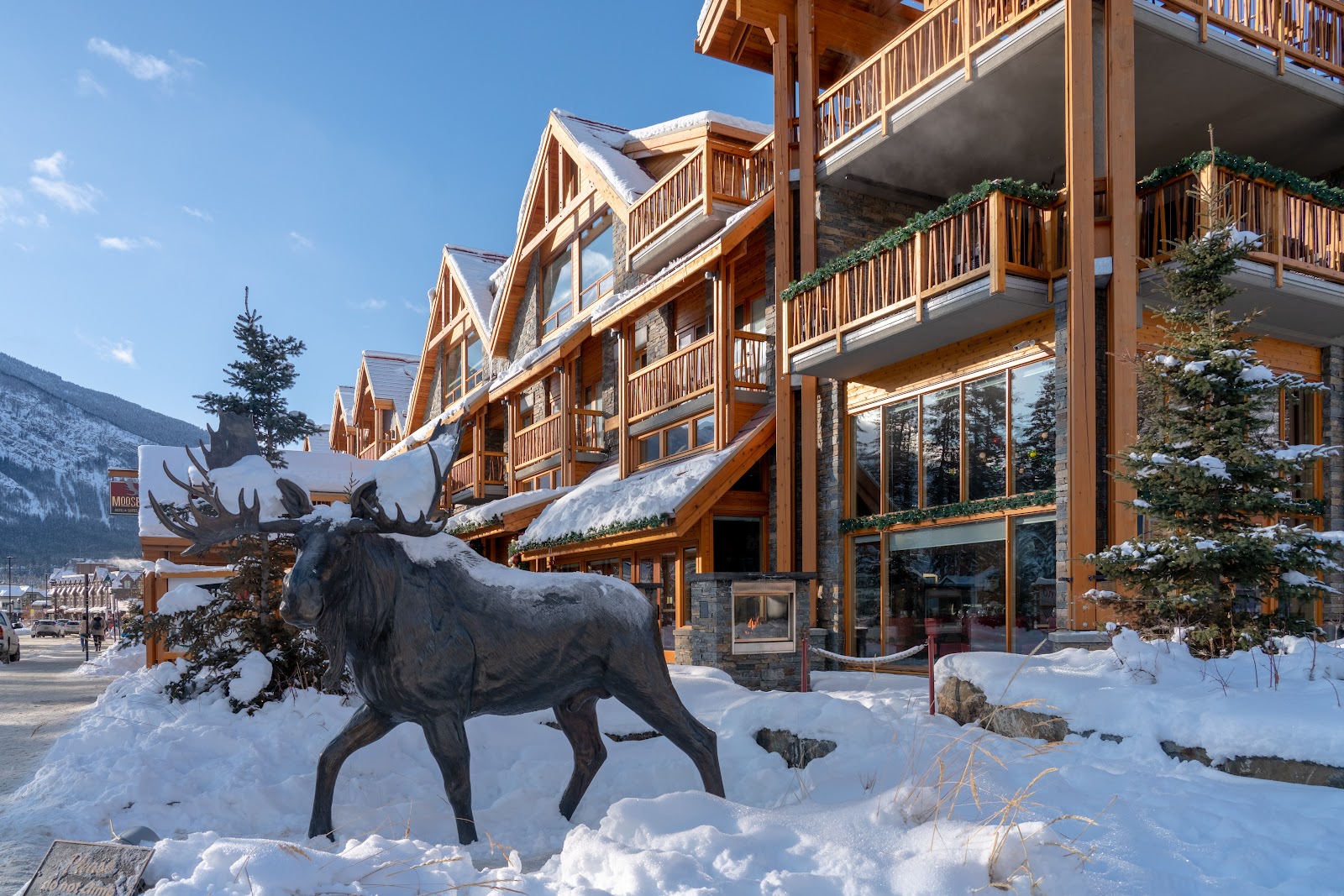
Winter, from December to February, transforms Banff into a classic mountain resort. Snow piles up along Banff Avenue, and the town glows under strings of lights. Hotels lean into the season with roaring fireplaces, hearty menus, and easy access to ski shuttles heading toward the nearby slopes. If you enjoy the silence after the last chairlift, choose a property slightly removed from the busiest streets, where you can watch the snow fall from a hot tub or lounge chair.
Shoulder seasons in spring and autumn offer a quieter, more contemplative experience. In April or early May, you might see snow on the peaks while the Bow River begins to open, and resort offers can sometimes reflect this in the form of added-value packages rather than headline rates. October brings larch season in the higher elevations, with golden trees against early snow, and a calmer rhythm in the town of Banff itself, making it easier to secure preferred room categories on shorter notice.
Who Banff hotels suit best
Banff rewards travelers who see their hotel as part of the landscape, not just a backdrop. If you value waking up to a view of Mount Rundle, walking five minutes to a riverside trail, and ending the day in a hot pool under the stars, this is your kind of destination. The combination of national park protection and long-established resort culture creates a rare balance between wilderness and comfort that appeals to many different types of visitors.
Couples often gravitate toward rooms with strong views and access to spa facilities, especially in winter when the contrast between cold air and warm springs is at its most dramatic. Families may prioritize larger suites, easy logistics for getting to activities, and year-round amenities that work in any weather. Solo travelers and small groups focused on hiking or skiing tend to choose more central locations, where they can move quickly between early-morning departures and late-evening returns without worrying about parking.
If you are deciding between Banff and staying closer to Lake Louise, consider your rhythm. Banff offers more dining, more evening atmosphere, and a broader choice of hotels, from intimate lodges to full-scale resorts. Lake Louise, by contrast, is quieter and more focused on the lake itself. For a first visit, especially if you want variety, Banff is usually the better base, and many travelers return later to split time between the two areas.
Is Banff a good place to stay for a first visit to the Canadian Rockies?
Banff is one of the best bases for a first stay in the Canadian Rockies because it combines easy access to Banff National Park with a compact, walkable town. From here, you can reach major highlights such as Lake Louise, the Bow Valley, and nearby ski areas on day trips while returning each evening to a wide choice of hotels and restaurants. The mix of mountain scenery, year-round activities, and established resort infrastructure makes it an ideal introduction to the region, especially if you prefer not to move hotels every night.
What is the best time of year to stay in a Banff hotel?
The best time to stay in a Banff hotel depends on your priorities. Summer from June to August is ideal for hiking, sightseeing, and long days on the trails, while winter from December to February is perfect for skiing and snow-focused experiences. Spring and autumn are quieter, with fewer crowds and a more relaxed pace, which many repeat visitors prefer for a more contemplative stay and better chances of finding value in popular properties.
How many days should I plan for a hotel stay in Banff?
A minimum of three nights in Banff works for a first visit, giving you one full day to explore the town and nearby trails and another for a longer excursion such as Lake Louise. Many travelers find that four to five nights allow a better balance between activity days and time to enjoy their resort facilities. If you plan to combine hiking, scenic drives, and some time at the spa or hot springs, a longer stay will feel more relaxed and reduce the pressure to fit everything into a single weekend.
Are Banff hotels suitable for year-round stays?
Hotels in Banff are designed for year-round stays, with infrastructure and services that adapt to each season. In winter, properties focus on ski shuttles, gear storage, and cozy indoor spaces, while in summer they support hiking, cycling, and golf. This flexibility makes Banff a reliable choice whether you visit in deep winter, high summer, or the quieter shoulder seasons, and it is one reason many travelers return at different times of year.
Do Banff hotels offer access to nearby ski areas and attractions?
Many Banff hotels provide convenient access to nearby ski areas and major attractions through shuttle services, scheduled transport, or close proximity to public transit stops. From the town, you can reach local ski hills, the Banff Gondola, the upper hot springs, and popular viewpoints along the Bow River without needing to drive every day. This makes it easy to focus on the mountain experience while your hotel handles much of the logistics, especially during peak periods when parking at trailheads and attractions can be limited.