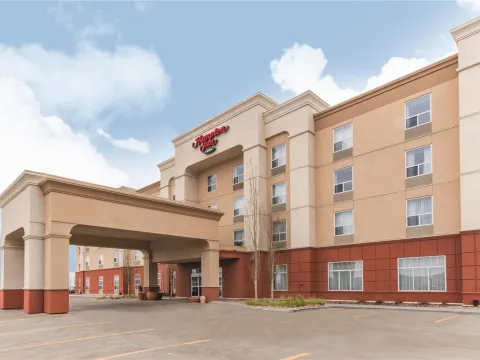
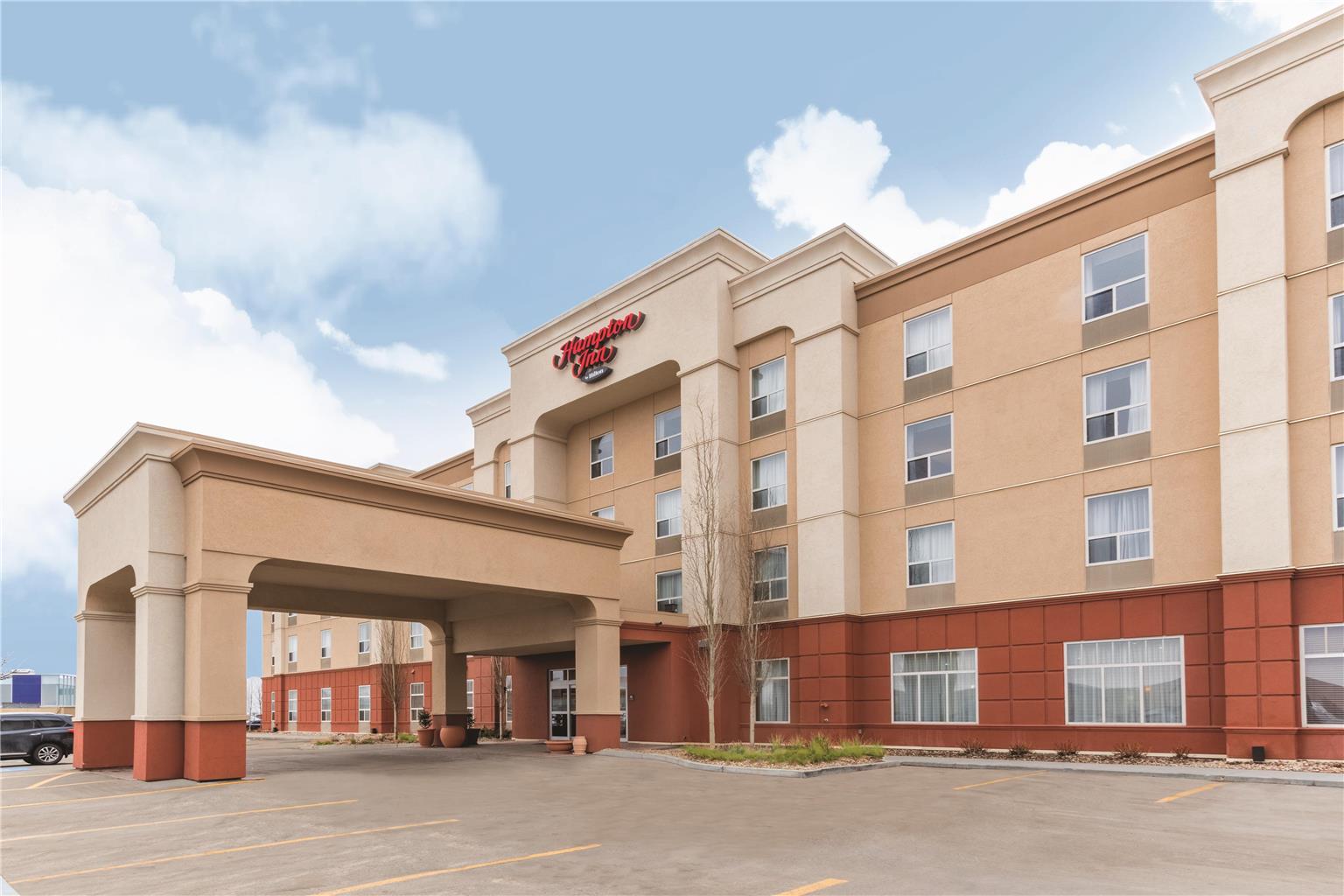
Considering a hotel in downtown Edmonton? Learn what to expect from rooms, locations, amenities and access to the river valley, business core and cultural venues in the city centre.
Is a downtown Edmonton hotel right for your stay?
Step out of your hotel lobby in downtown Edmonton and you are in the thick of the city. Jasper Avenue hums with office towers, cafés and theatres, while the river valley drops away just two blocks south with 160 kilometres of trails. For most travellers, this is the most practical and atmospheric base in the city centre.
Business guests appreciate how compact downtown Edmonton feels on foot. From many hotels, the walk to the core around 101 Street and 102 Avenue takes only a few minutes, so meetings, dinners and a late-night drink all fall within a short radius. Leisure travellers benefit from the same density, with galleries, arenas and restaurants layered into the same grid.
There is a trade-off. Downtown is an urban environment first, not a resort. You choose this area for access, energy and the ability to explore on foot, not for seclusion. If you prefer quiet suburban stays, you may want to look elsewhere; if you want to feel the pulse of Edmonton, this is where to book your room.
What the downtown Edmonton hotel scene actually offers
Behind the glass façades and brick towers, the range of hotels in downtown Edmonton is broader than it first appears. Large properties with several hundred rooms sit beside smaller inns and suites-focused addresses, each catering to a slightly different style of stay. The common thread is a focus on modern comforts and straightforward, efficient service.
Most downtown hotels are designed around short to medium stays, from a single night between flights to a working week in the city. You will typically find on-site restaurants or lounges, fitness spaces and practical services such as parking in the same complex or immediately adjacent. The atmosphere leans more professional than playful, though weekend nights can feel livelier when events are on nearby.
Expect a clear distinction between standard rooms and upgraded categories. Entry-level rooms usually prioritise a good bed, a functional work area and a well-planned bathroom over decorative flourish. Higher categories may add more generous seating areas or better views toward the North Saskatchewan River or the skyline around Edmonton City Centre.
Location nuances: river views, business core and cultural pockets
Two blocks can change your experience in downtown Edmonton. Properties closer to the river valley, especially along 99 Street and the slope down toward Louise McKinney Park, trade immediate access to the business core for calmer streets and, in some cases, wide views over the water and parkland. It is a subtle but meaningful shift in mood.
Hotels clustered around Edmonton City Centre and the intersection of Jasper Avenue and 101 Street place you in the densest part of the downtown hotel zone. Here, you step out into office towers, underground pedways and a steady flow of commuters. This suits business travellers who value minimal transit time between their room, meetings and evening dinners.
Move a little north toward 104 Avenue and the feel changes again. You are closer to major venues and more casual restaurants, which can be ideal if your stay revolves around events or late nights out. When comparing options, decide whether you want river valley proximity, the pure business core, or an address that leans toward entertainment.
Rooms, comfort and what to check before you book
Room categories in downtown Edmonton hotels can look similar on paper, yet feel very different once you open the door. Some towers are older, with slightly more generous floor plans and wide windows; others are newer builds with a tighter footprint but more contemporary finishes. When you book, pay attention to square metre details and whether the room description mentions a defined seating area or only a desk and chair.
For a short business stay, a well-designed standard room with a comfortable bed and a solid work surface is usually enough. If you are planning several nights, especially as a couple or with family, consider upgrading to a corner room or a suite-style layout. The extra space for luggage, a sofa and a small dining table can make a noticeable difference over three or four nights.
Noise is another point to weigh. Rooms facing major arteries such as Jasper Avenue or 104 Avenue may pick up more street sound, particularly on weekend nights. If you are sensitive to noise, look for higher floors or rooms oriented toward interior courtyards or the river valley side of the building, where traffic tends to thin out.
Dining, evenings and how to use downtown as your base
Even if your hotel restaurant is appealing, the real advantage of staying in downtown Edmonton is the choice just beyond the lobby. Within a 10 minute walk of most properties, you can move from casual cafés on Rice Howard Way to more polished dining rooms along Jasper Avenue. This makes it easy to turn a work trip into a more interesting city stay.
Many travellers underestimate how close the river valley is to the downtown grid. From hotels near 100 Street, you can be on the switchback paths down to the water in under 10 minutes on foot, trading office towers for cottonwoods and open views. It is an easy way to reset after a day of meetings before heading back up for dinner and a final drink.
For evenings, think in layers rather than a single destination. A pre-dinner walk through the core, a relaxed meal, then a short wander to a bar or lounge near your downtown hotel keeps everything within walking distance. You avoid long rides across the city and can return to your room in minutes when the night is over.
Who downtown Edmonton hotels suit best
Travellers who value efficiency and access benefit most from a downtown Edmonton stay. If your schedule is built around meetings, conferences or events in the city centre, the ability to walk between your room, venues and restaurants is hard to beat. You spend less time in transit and more time actually using the city.
Short city breaks also work well here. Couples or solo travellers who enjoy urban exploring can use downtown as a hub, then branch out by light rail or car to other neighbourhoods during the day. Returning to a central hotel in the evening keeps logistics simple and allows for spontaneous dinners or late-night walks.
Families may need to choose more carefully. Some downtown streets feel very business-oriented during the day and quieter at night, which can be a positive or a drawback depending on your preferences. If you are travelling with children, look for properties that offer larger rooms or connecting layouts and quick access to green space in the river valley.
Practical details: check-in rhythm, amenities and how to compare
Most downtown Edmonton hotels follow a similar rhythm, with check-in typically starting in the mid-afternoon and check-out in late morning. This works well with standard flight times into the city, but if you arrive early, be prepared to leave your luggage and head out to explore until your room is ready. The compact nature of the centre makes this easy to manage.
Amenities tend to converge around a familiar set: fitness areas, on-site dining, meeting rooms and parking options either in the same building or immediately nearby. When comparing properties, focus less on the basic list and more on how you plan to use them. If you know you will be working from your room, prioritise a good desk and lighting; if you expect long days out, a reliable front desk and efficient housekeeping may matter more.
Booking strategy is straightforward. Decide first on the micro-location within downtown, then on the room type that matches the length and purpose of your stay. Only after that should you compare individual hotels, using those two criteria as your filter. This approach keeps you focused on the experience you want, rather than on a blur of similar-sounding options.
Is downtown Edmonton a good area to stay in?
Downtown Edmonton is an excellent area to stay if you want quick access to the business core, cultural venues and the river valley. The district is compact, walkable and well connected to other parts of the city, making it especially convenient for business trips and short urban breaks. You trade resort-style seclusion for energy, restaurants and the ability to move easily between meetings, museums and evening plans.
What should I look for when choosing a downtown Edmonton hotel?
Focus first on micro-location, then on room type. Decide whether you prefer to be closer to the river valley, the business core around Jasper Avenue and 101 Street, or the entertainment pockets near major venues. After that, compare room sizes, layout and orientation, paying attention to floor level and whether the room faces busy streets or quieter directions if you are sensitive to noise.
Are downtown Edmonton hotels suitable for families?
Many downtown Edmonton hotels can work for families, but you need to choose carefully. Look for properties that offer larger rooms, suites or connecting layouts, which make multi-night stays more comfortable. Proximity to the river valley or nearby parks is also helpful, giving children space to run and explore within walking distance of your hotel.
How far is the river valley from downtown Edmonton hotels?
From most downtown Edmonton hotels near Jasper Avenue and 100 Street, the river valley is typically less than a 10 minute walk. A short stroll south brings you to viewpoints over the North Saskatchewan River and to paths that wind down into the park system. This closeness allows you to combine an urban stay with easy access to green space and walking trails.
Do I need a car if I stay in downtown Edmonton?
You can comfortably stay in downtown Edmonton without a car if your plans focus on the city centre. Many offices, restaurants and cultural venues are within walking distance, and public transport connects the core to other districts. A car becomes more useful if you plan day trips beyond the city or frequent visits to neighbourhoods far from the downtown grid.