Planning where to stay in Montréal city? Compare the best areas and recommended hotels—from luxury and boutique to budget-friendly—plus practical tips on walkability, métro access, and how to match your Montréal hotel to your trip.
We were won over by the rooftop view: Terrasse William Gray on the eighth floor looks out over Old Montreal's rooftops and the Old Port, one of three distinct dining spaces inside a hotel that treats its terraces as seriously...
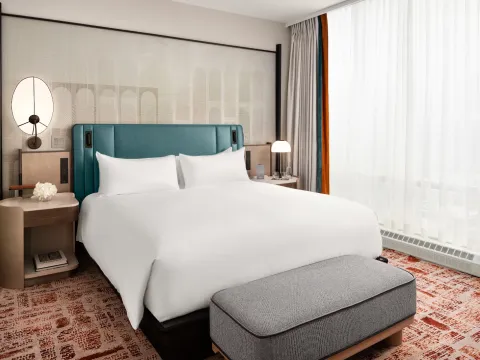
We selected this hotel for the way it treats a historic Maisonneuve Boulevard façade as a starting point rather than a theme: contemporary rooms built from noble materials sit behind it, tuned for a hushed, peaceful feel despite the downtown...
We were drawn to this address for its place in Montreal's Golden Square Mile, a few steps from the Museum of Fine Arts, McGill University, and the foot of Mount Royal. Sofitel's French identity shows in the details: signature MYBED...
What won us over here is the scale: just 23 rooms inside a 1919 Drummond Street building, each one individually designed by Mary Moegenburg rather than stamped from a single template. A Popcorn Night with complimentary screenings and a stationary-bike...
We kept this address for a reason no other hotel in the city can offer: at Hôtel de l’ITHQ, the next generation of Quebec’s hoteliers and chefs learns the trade under the eye of seasoned professionals. The hotel belongs to...
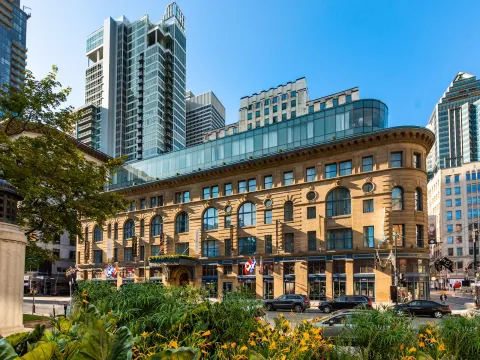
We chose this address because few hotels in Canada sleep inside a landmark this carefully restored. Hôtel Birks occupies the 1894 Birks flagship on Phillips Square, designed by Edward Maxwell, where the jeweller still trades on the ground floor and...
We were drawn to the Vogue for its address and its quiet confidence. On rue de la Montagne, in the heart of the Golden Square Mile, this Curio Collection hotel puts the boutiques of Sherbrooke Street, the Montreal Museum of...
Pets allowedBreakfast in the roomKids' mealsRestaurant
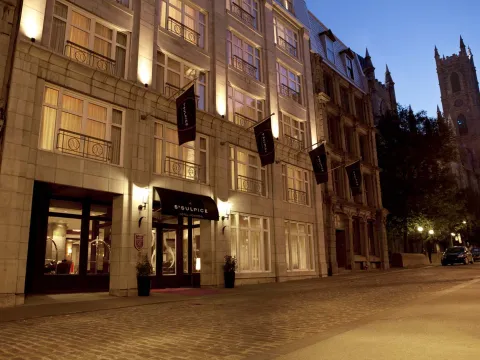
We kept Le Saint-Sulpice for the one thing Old Montreal rarely offers: real space. On rue Saint-Sulpice, a stone's throw from Notre-Dame Basilica, this all-suite hotel gives every guest at least 500 square feet, a kitchenette and a proper living...
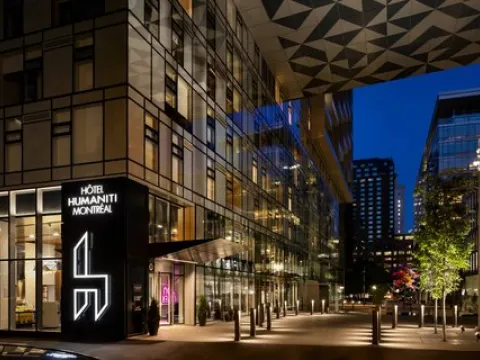
We chose this address because Montreal doesn't have another hotel quite like it: twin H-shaped towers by architect Andres Escobar rising over the International District, LEED and WELL certified down to the wiring. Inside, hardwood floors, 55-inch screens and locally...
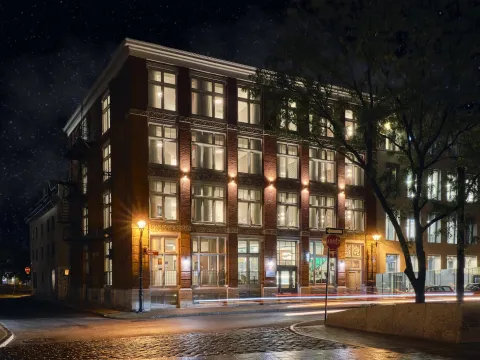
What won us over at Uville is a rare thing in Old Montreal: a hotel with a real point of view. Set on Place d'Youville, a short walk from the Old Port promenade, this 33-room house is built around Montreal...
BarBreakfast in the room24-hour front deskLuggage storage
Planning where to stay in Montréal city? Compare the best areas and recommended hotels—from luxury and boutique to budget-friendly—plus practical tips on walkability, métro access, and how to match your Montréal hotel to your trip.
Choosing a hotel in Montréal city: is it the right choice for your stay?
Stepping out of a cab on Boulevard René-Lévesque, you feel it immediately; Montréal city works beautifully for a hotel-based stay. Distances are walkable, the métro is efficient, and the main luxury and premium properties cluster in a compact core that makes it easy to enjoy the city without constant transfers. From many central hotels in Montréal, you can reach the Old Port, downtown, and the base of Mount Royal in 15 to 25 minutes on foot, which makes a hotel in central Montréal not just a good choice but often the most practical way to experience the city’s mix of European heritage and North American energy.
The key decision is not whether to stay in Montréal, but where in the city to anchor yourself. A hotel located near the Old Port will feel very different from one in the business district or up toward Mount Royal. Before you book, open a detailed map and trace your likely days on foot; this simple exercise often matters more than any list of amenities. If you expect to spend evenings in restaurants and shops along rue Saint-Paul or around Place des Arts, staying within 10 to 15 minutes on foot changes the rhythm of your trip and can be more valuable than an extra star rating.
Luxury and premium hotels in Montréal city tend to offer generous rooms and suites by European standards, with king beds and well-designed living room corners rather than palatial excess. You will find contemporary design more often than classic opulence. For travelers who value architecture, gastronomy, and culture over resort-style seclusion, a Montréal hotel in the city centre is an excellent fit year round, whether you choose a boutique address or one of the best hotels in downtown Montréal near the main business and cultural hubs.
Central Montréal hotels cluster between the Old Port, downtown business district, and the slopes of Mount Royal.
Top luxury hotels in Montréal city
The Ritz-Carlton, Montréal (1228 Sherbrooke St W; typical nightly rates $$$-$$$$): grand-dame luxury in the Golden Square Mile with polished service and an indoor saltwater pool; ideal if you want classic refinement near the Montréal Museum of Fine Arts, though prices and formality may feel high for casual trips.
Four Seasons Hotel Montréal (1440 Rue de la Montagne; typical nightly rates $$$-$$$$): sleek contemporary hotel connected to luxury shopping and close to downtown offices; perfect for design-conscious travelers who value a spa and buzzy bar scene, but the atmosphere is more fashion-forward than traditional.
Hotel Le St-James (355 Rue Saint-Jacques; typical nightly rates $$$-$$$$): historic luxury property in Old Montréal with richly decorated rooms and a quiet, club-like feel; excellent if you want character steps from the Old Port, though some spaces feel more heritage than hyper-modern.
Top boutique hotels in Montréal city
Hotel Nelligan (106 Saint-Paul St W; typical nightly rates $$-$$$): atmospheric boutique stay in Old Montréal with exposed brick, a rooftop terrace, and many rooms facing the cobblestone streets; great for couples who want charm and nightlife nearby, but street noise can be noticeable on busy evenings.
Le Petit Hôtel (168 Saint-Paul St W; typical nightly rates $$): small design-focused hotel in the heart of Old Montréal with friendly service and stylish compact rooms; perfect if you prioritize location and personality over extensive facilities like a spa or large gym.
Hotel Bonaventure Montréal (900 Rue De La Gauchetière O; typical nightly rates $$): resort-style rooftop gardens and an outdoor heated pool above the downtown core; a strong option if you want greenery and easy access to the underground city, though interiors feel more modernist than boutique.
Top budget-friendly hotels in Montréal city
Hotel Faubourg Montréal (155 Boulevard René-Lévesque E; typical nightly rates $-$$): all-suite hotel near Quartier des spectacles with kitchenettes and generous space; convenient for families and longer stays, but décor is simple rather than luxurious.
Travelodge by Wyndham Montréal Centre (50 Boulevard René-Lévesque O; typical nightly rates $): straightforward, central option within walking distance of Old Montréal and Chinatown; works well if you mainly need a clean base, though rooms run small and amenities are basic.
Auberge Saint-Paul (347 Rue Saint-Paul E; typical nightly rates $): hostel-style property in the Old Port with private and shared rooms; ideal for budget-conscious travelers who value location over privacy and full-service hotel comforts.
Old Montréal and Old Port: atmospheric stays near cobblestones and river light
Cobblestones underfoot on rue Saint-Paul, the bell towers of Notre-Dame Basilica just a few streets away, and the St. Lawrence River opening out at the end of the block; this is the atmosphere that defines a stay near the Old Port of Montréal. Choosing a hotel here means prioritizing character and history over absolute quiet. You wake to church bells, not birdsong. At night, the glow from restaurants and shops spills onto the street until late, especially in summer when cruise passengers and festival crowds linger along the waterfront.
Rooms in this part of the city often occupy converted heritage buildings, which can mean thick stone walls, high ceilings, and layouts that are less standardized. One suite might have a separate living room with exposed beams, another a deep soaking tub set a few feet from a window overlooking the port. When you check availability, pay close attention to room descriptions and floor plans; no two categories feel quite the same. If you value space, look for rooms and suites that specify square metres rather than just a generic “deluxe room”, and expect typical nightly rates in this area to sit in the mid to upper range for Montréal, especially on summer weekends.
This area suits travelers who want to walk. From many addresses, you can reach the riverfront in under five minutes, the heart of Old Montréal in even less, and the business district by heading uphill for about 10 to 15 minutes. Place-d’Armes station on métro line 2 (orange) is roughly a 5- to 8-minute walk from most Old Port hotels, giving you quick access to the rest of the city. It is also a strong choice if you plan to visit the Montréal Museum of Archaeology and History or take river cruises from the Port of Montréal. The trade-off: streets can be lively and occasionally noisy, especially in summer and during major events along the waterfront.
Downtown and Quartier des spectacles: culture, convenience, and modern comfort
Neon from the Place des Arts marquees, festival stages rising on rue Sainte-Catherine, and office towers catching the late sun; downtown Montréal is where the city feels most vertical. A hotel here places you in the heart of Montréal, with quick access to business addresses, major museums, and the métro network. For many visitors, this is the most efficient base, especially for a short stay in Montréal focused on culture and dining, or for travelers looking for the best hotels in downtown Montréal near corporate offices and shopping streets.
Expect contemporary architecture and interiors, with rooms designed around clean lines, large beds, and practical workspaces. Many properties in this zone offer a clear separation between the sleeping area and a compact living room corner, even in standard rooms. Suites tend to add more generous seating and sometimes a dining table, which can be useful if you plan to host small meetings or prefer in-room breakfasts. When you check availability, compare room types carefully; the jump from a classic room to a junior suite can transform how the space feels during a longer stay, and the price difference is often smaller on Sunday nights or outside peak festival dates.
This part of the city is particularly convenient for cultural travelers. You are within walking distance of the Montréal Museum of Contemporary Art, the concert halls around Place des Arts, and the main shopping spine of rue Sainte-Catherine, where international brands sit beside local designers. The métro stations Place-des-Arts and McGill, both on the green line, put you within about 10 minutes of Old Montréal and the Old Port. It is also a smart choice if you need meeting rooms or event spaces, as many downtown hotels are designed with corporate groups in mind. The compromise: you trade Old Montréal’s romance for glass, steel, and efficiency, though you gain direct access to the underground city and indoor passages that are invaluable in winter.
Golden Square Mile and near Mount Royal: refined residential calm
A few blocks north of the busiest downtown streets, the mood shifts. Tree-lined avenues climb gently toward Mount Royal, and historic mansions sit beside discreet residential towers. Staying in the Golden Square Mile or just below the mountain suits travelers who want a Montréal hotel that feels more like a refined city residence than a conventional business property, while still being able to walk to Sherbrooke Street and the main downtown core in around 10 to 15 minutes.
Rooms here often emphasize comfort and calm. Think thick carpets under bare feet, upholstered headboards, and beds dressed in high-thread-count linens rather than edgy design statements. Suites may include a separate living room with sofas and armchairs, ideal if you plan to work in your room or unwind with a glass from the hotel bar after dinner. When you book, check whether your room faces the mountain or the city; the difference in light and noise can be significant, and higher floors with Mount Royal views often command a modest premium that many guests find worthwhile.
This area is particularly appealing if you plan to spend time at the Montréal Museum of Fine Arts on Sherbrooke Street West. Being able to walk there in under 10 minutes, then continue up toward Mount Royal Park for an afternoon stroll, gives your stay a pleasant, unhurried rhythm. You are still close to downtown restaurants and shops, but the immediate streets feel quieter, especially in the evening. The trade-off: you will walk a little farther to reach the Old Port or Notre-Dame Basilica, typically 20 to 30 minutes on foot or about 10 to 15 minutes by métro from Peel or Guy–Concordia stations on the green line.
What to look for inside: rooms, suites, and shared spaces that matter
Behind the lobby fragrance and polished marble, the real test of a hotel Montréal city stay lies in the private spaces. For a premium experience, start with the room layout. A well-designed room gives you a clear path from door to bed, a proper surface for work, and enough space to open a suitcase without blocking circulation. If you value comfort, prioritize rooms and suites with at least 25 to 30 square metres; anything smaller can feel tight for two people over several nights, especially if you plan to spend time working or relaxing in the room.
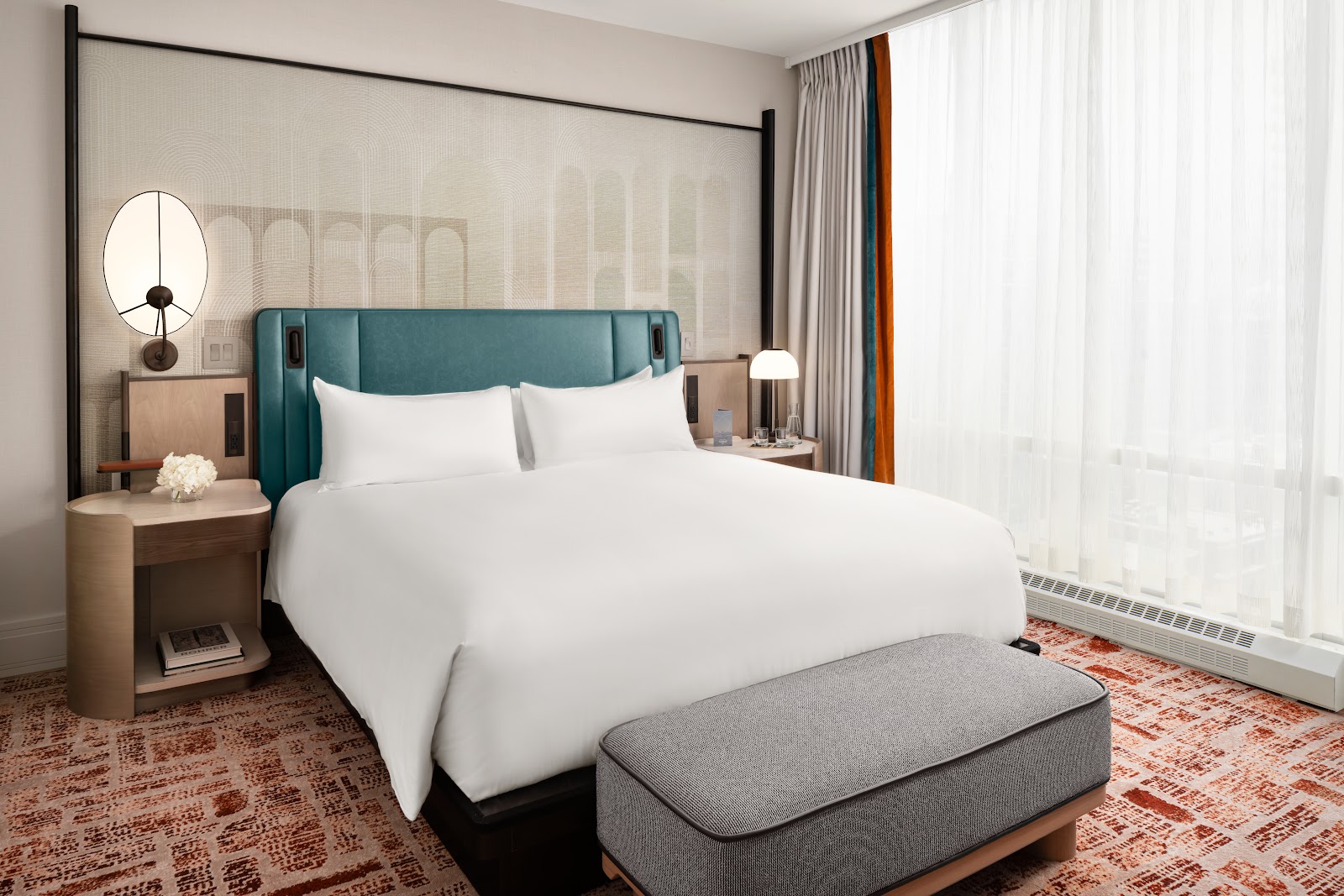
Beds in Montréal’s better hotels tend to be generous, often king size, with quality mattresses and layered bedding suited to the city’s long winters and warm summers. Pay attention to whether the room description mentions a separate living room or just a seating area at the foot of the bed. That distinction matters if one person plans to work while the other sleeps. For families or longer stays, suites with doors between the bedroom and living area offer real privacy, and sofa beds in the living room can make it easier to accommodate children without booking a second room.
Shared spaces also shape your experience. A well-run bar with a short, focused cocktail list can become your evening ritual, especially in winter when you may not want to venture far after dinner. Meeting rooms with natural light and proper acoustics are essential if you are combining business with leisure. When you check availability and compare hotel offers, look beyond simple room counts; consider how the property’s spaces align with how you actually live and work on the road, from breakfast service hours to whether the lobby feels like a place where you would be comfortable answering emails for an hour.
Location, access, and seasonal rhythm: matching the hotel to your trip
Snowbanks on rue Saint-Urbain in January, café terraces spilling onto the sidewalk in July; Montréal is a year round city, but it does not feel the same in every season. Your choice of hotel should reflect that. In deep winter, staying closer to the underground city and métro stations such as Bonaventure, McGill, or Place-des-Arts can be a quiet luxury, reducing the number of minutes you spend outside in sub-zero wind. In summer, being a few steps from the Old Port or the festival stages downtown lets you enjoy late-night walks without worrying about long returns or crowded late-evening métro rides.
Before you book, map your key addresses. If you plan to attend performances near Place des Arts, visit the Montréal Museum of Fine Arts, and dine in the central neighbourhoods, a hotel located between Sherbrooke Street and the river keeps most journeys under 20 minutes on foot. Travelers drawn to religious heritage will appreciate being within easy reach of Notre-Dame Basilica in Old Montréal and the grand oratory on Mount Royal, even if the latter requires a short taxi or métro ride of around 15 to 20 minutes from most central stations.
For business trips, proximity to meeting venues and the availability of on-site meeting rooms often outweighs a picturesque view of the Port of Montréal. Leisure travelers, by contrast, may prefer a slightly less central place if it offers a stronger sense of neighbourhood or quieter evenings. There is no single “best” area; the right hotel Montréal choice is the one that aligns with your daily rhythm, not just your arrival and departure times, and that matches how you realistically plan to move between museums, restaurants, and the riverfront.
How to compare and book: practical checks before you commit
Scrolling through photos of gleaming lobbies and immaculate rooms can be seductive, but a disciplined approach pays off. Start with a simple checklist: confirm the exact location on a map, the distance on foot to the places you care about most, and the typical travel time to and from Montréal–Trudeau International Airport or the central train station. Then look at room categories in detail, noting the difference in size, layout, and whether any suites include a separate living room or dining area that would genuinely change how you use the space.
When you check availability, pay attention to how many room types are actually offered for your dates. Limited choice can indicate high demand in the city, which may influence your flexibility. Instead of focusing solely on prices, consider the value of specific inclusions: access to well-equipped meeting rooms if you are working, late check-out for a relaxed final day, or thoughtful hotel offers tied to cultural institutions such as a nearby Montréal museum, festival passes, or seasonal packages that bundle parking and breakfast.
Finally, think about how you personally enjoy a city stay. If you like to return to the bar for a nightcap, prioritize properties where the bar feels like a destination, not an afterthought. If you plan to spend long evenings out in restaurants and shops, you may care more about a quiet bed and efficient service than about extensive leisure facilities. Montréal rewards travelers who choose with intention; a few extra minutes of careful comparison before you book, whether through a booking engine or directly with the hotel, can shape the entire texture of your time in the heart of Montréal and help you find the best area to stay for your style of trip.
Is Montréal city a good place to stay for a first visit?
For a first visit, staying in Montréal city is an excellent choice because the main neighbourhoods of interest cluster within a relatively compact area. You can walk between Old Montréal, the downtown cultural district, and the Golden Square Mile in 15 to 25 minutes, which makes it easy to explore without constant taxis. The city also offers a strong mix of museums, historic sites such as Notre-Dame Basilica, and contemporary restaurants, so you experience several sides of Montréal from a single base and can decide which area you might prefer for a future stay.
Which area of Montréal should I choose for my hotel?
Old Montréal and the Old Port work best if you want cobblestone streets, river views, and quick access to heritage sites. Downtown and the Quartier des spectacles suit travelers focused on culture, shopping, and business, with easy access to performance venues and offices. The Golden Square Mile and the slopes of Mount Royal are ideal if you prefer a calmer, more residential feel while staying close to the Montréal Museum of Fine Arts and central restaurants, and they are often among the best areas to stay in Montréal for travelers who value quiet nights.
What should I check before booking a hotel in Montréal city?
Before booking, confirm the exact location on a map, including walking distances to the places you plan to visit most often. Compare room types carefully, noting size, bed configuration, and whether any suites offer a separate living room. It is also wise to check availability of meeting rooms if you are traveling for business, to review any seasonal hotel offers that might align with your plans, such as packages linked to museums or cultural events, and to verify cancellation policies in case your Montréal travel dates need to shift.
Is Montréal a walkable city from most central hotels?
Most central Montréal hotels sit within a walkable grid that stretches from the Old Port up to Sherbrooke Street and the base of Mount Royal. Within this zone, you can usually reach major museums, shopping streets, and many restaurants on foot in under 20 minutes. The métro network fills in the gaps, so even if your hotel is slightly outside your main area of interest, you can move around efficiently without relying heavily on taxis, using key stations such as Place-d’Armes, McGill, Peel, and Place-des-Arts as convenient reference points.
Does the best area to stay in Montréal change by season?
The ideal area can shift slightly with the seasons. In winter, staying closer to downtown and the underground city reduces time spent outdoors in harsh weather and keeps you near cultural venues. In summer, being near the Old Port or the festival stages around Place des Arts lets you enjoy open-air events and evening walks more easily. However, the central districts remain practical year round, so you can choose based on your interests first and adjust for season as a secondary factor, whether you are planning a first visit or returning to explore a different Montréal neighbourhood.