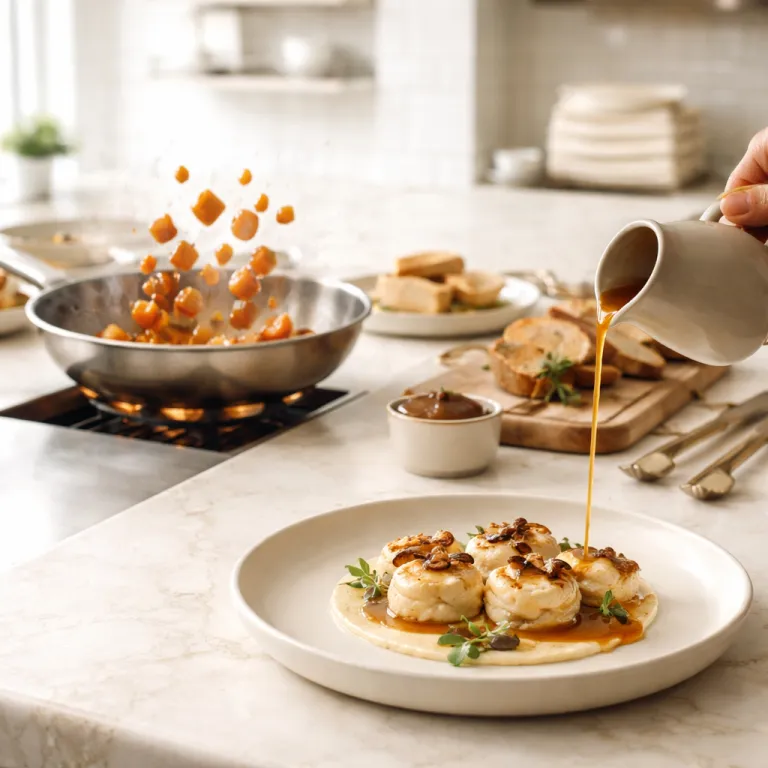
Why chef-driven hotels in Canada are redefining dining
In Canada’s most interesting luxury hotels, the restaurant is now the reason to travel, not a convenient afterthought beside the lobby. These chef-led properties make dining the central experience, where a named chef, a focused culinary vision and a confident wine program shape how you feel about the entire hotel stay. When you compare chef-focused hotels and Canadian dining options, you quickly see that the best restaurants on site behave like independent venues that simply happen to sit inside exceptional hotels.
A chef-driven restaurant is not just a revenue center; it is, as one expert definition states, “a restaurant where the chef designs and leads the menu.” That single sentence explains why these restaurants, and the hotels that house them, feel so different from generic hotel outlets that chase volume over character and treat food and drink offerings as a cost line rather than a signature. In the strongest properties, the executive chef is part creative director, part host, using the dining room, the bar and even private dining spaces to tell a story about the region and the season.
Look at the way Fogo Island Inn in Newfoundland uses a tasting menu format to frame hyper-local seafood, or how Northern Lights Resort & Spa near Whitehorse in the Yukon builds three-course seasonal menus around what nearby producers can actually supply in winter. These are not just culinary experiences; they are narrative experiences, where each table becomes a front-row seat to the landscape outside and the culture that shaped it. As chef Jonathan Gushue of Fogo Island Inn has noted in interviews, “every plate should feel like it could only have been cooked here,” a philosophy that helps ensure breakfast, dinner and every snack in between feel as memorable as the view.
From Halifax to Vancouver and Toronto: where hotel restaurants lead the story
Across the country, a new generation of Canadian hotels is putting the chef and the restaurant at the center of the guest experience. In Halifax, Drift at Muir, Autograph Collection, shows how coastal hotels can build a dining identity around Atlantic seafood, with a chef-led menu that feels as polished as any stand-alone restaurant in the city. In Mont-Tremblant, Léo, boire + manger at Le Westin Resort & Spa proves that a brasserie inside a mountain hotel can still compete with the best restaurants in the region for both locals and travelers.
On the west coast, D/6 Bar & Lounge at the DOUGLAS, Autograph Collection, in Vancouver uses a rooftop setting and a chef-driven small-plates menu to turn what could have been a simple hotel bar into a full culinary experience. In Whistler, The Wildflower at Fairmont Chateau Whistler leans into Pacific Northwest ingredients, showing how a resort restaurant can celebrate bounty from nearby farms and fisheries while still serving a relaxed breakfast crowd. When you compare these chef-led Canadian hotel dining programs to classic European palace hotels or even five-star properties in Saint-Tropez, the emphasis on landscape, seasons and quietly attentive service stands out as a defining trait.
Toronto, meanwhile, has become a proving ground for hotel restaurants that aim for fine dining standards without losing the warmth that couples expect on a weekend escape. The city’s first Michelin Guide, released in 2022, highlighted how many local chefs already cook at a level that would not look out of place among Michelin-starred peers abroad, with several hotel-based venues earning Bib Gourmand or recommended status. Whether you are planning to reserve a table for a long tasting menu or prefer casual excellence at the bar, the key is to learn which hotels treat food and drink as their calling card rather than a captive audience obligation.
Remote regions, local bounty: how Canadian hotel chefs build supply chains
Some of the most compelling chef-led Canadian hotel dining stories unfold far from major cities, where logistics are as challenging as the weather. In the Yukon, Northern Lights Resort & Spa relies on close relationships with farmers, foragers and small-scale producers to keep its three-course seasonal menus aligned with what the land can reasonably provide. That means the chef must celebrate bounty when summer produce peaks, then pivot to preserved, cured and cellared ingredients when snow closes in and deliveries slow.
On Newfoundland’s Fogo Island, the dining room at Fogo Island Inn works with fishers who know every shoal and current, turning cod, crab and other cold-water species into plates that feel almost Michelin-inspired in their precision. While the property does not chase a Michelin star, the discipline in its kitchen would be familiar to any inspector from the Michelin Guide, from the way sauces are reduced to the way bread is baked each morning for breakfast service. Guests who book and then discover this level of culinary focus in such a remote region often say the restaurant alone justifies the journey.
Even in more accessible provinces, sourcing remains a defining challenge for hotel chefs who want to offer globally inspired yet locally grounded menus. On Salt Spring Island, the Hastings House Restaurant at Hastings House Country House Hotel uses its gardens and nearby farms to keep steak, seafood plates and vegetarian dishes equally vibrant, while in Québec, Bistro Nordik at Delta Hotels Mont Sainte-Anne, Resort & Convention Center explores Nordic inflections using Canadian ingredients. For travelers planning a road trip that might include Prince Edward Island or other Atlantic stops, choosing hotels whose restaurants talk openly about their supply chains is a reliable guide to quality and care.
Inside the kitchen: why top chefs choose hotels over standalone restaurants
One quiet shift behind chef-led Canadian hotel dining is the number of serious chefs who now choose hotel kitchens over independent restaurants. For many, the appeal lies in stability and scale; a well-run hotel can fund a professional brigade, invest in equipment and support the kind of long-term menu development that makes culinary experiences feel layered rather than improvised. That structure allows an executive chef to plan tasting menus, breakfast and dinner offerings and private dining events without constantly worrying about rent or short-term cash flow.
Properties like the Post Hotel Dining Room at the Post Hotel & Spa in Lake Louise, which has held a Wine Spectator Grand Award for its cellar since 2002, or Eden at The Rimrock Resort Hotel in Banff show how this can play out in practice, with wine programs, cheese selections and dessert carts that would be difficult to sustain in smaller standalone restaurants. At Fairmont Chateau Lake Louise, the integration of new culinary programming into major renovation work signals how seriously the hotel takes its food and beverage identity, from casual cafés to more formal fine dining rooms. For guests, that means you can reserve a table for a long, candlelit meal one night, then enjoy a relaxed breakfast with mountain views the next morning, all under the same roof.
Chefs also appreciate the chance to work across multiple outlets within a single hotel, from lobby lounges to poolside grills, which keeps their work varied and their teams highly skilled. When you read a guide or browse a booking platform that includes detailed descriptions of restaurant concepts, chef biographies and sample menus, that is usually a sign that the hotel treats its culinary program as a core part of its brand. If you want help to plan a trip where food is central, prioritize hotels that talk about their chefs with the same pride they reserve for their suites.
How to book chef-led hotel stays that elevate every meal
For couples using a luxury booking site or working with a travel advisor, the smartest way to approach chef-focused hotel stays in Canada is to think about meals as anchor points in your itinerary. Start by deciding which restaurants you most want to experience, then book the hotel stay around those dates so you can reserve a table at ideal times. This is especially important in properties with limited seating or ambitious tasting menus, where reservations are recommended and walk-ins are rarely guaranteed; in peak summer or holiday periods, many dining rooms suggest booking at least two to four weeks ahead for prime weekend slots.
When you compare room categories, pay attention to how the hotel describes its food and beverage offerings, from breakfast options to late-night room service, because that language often reveals whether the culinary team is central or secondary. If a property highlights globally inspired, expertly crafted menus, seasonal tasting menus and flexible private dining spaces, you can usually expect a higher standard of execution across all outlets. For longer trips that combine Canadian cities with international stops, curated guides to elevated comfort in multi-room suites or coverage of refined elegance in European resort towns can help you calibrate expectations across regions.
Once you have chosen your hotels, reach out to the concierge or reservations team and ask them to help plan your culinary experiences in detail. Share any dietary needs, preferred times for breakfast and dinner and interest in special events such as chef’s table evenings or wine pairings, so the team can tailor suggestions. The more you treat the restaurant as a destination within your stay, the more likely you are to leave feeling that every plate, every glass and every conversation at the table was part of a coherent, memorable journey.
FAQ
What makes a hotel restaurant truly chef driven?
A hotel restaurant is genuinely chef driven when the named chef designs and leads the menu, trains the team and shapes the overall dining philosophy. In these spaces, food and drink decisions are guided by a clear culinary vision rather than by generic corporate templates. You will usually see seasonal menus, strong regional sourcing and a level of detail that rivals top independent restaurants.
Do chef-driven hotel restaurants in Canada require reservations?
Most chef-driven hotel restaurants in Canada strongly recommend that guests reserve a table in advance, especially for dinner and tasting menu experiences. Properties in remote regions or with small dining rooms can book out quickly during peak seasons, sometimes weeks ahead for prime weekends. When you confirm your hotel stay, it is wise to secure restaurant reservations at the same time.
Can these hotel restaurants accommodate dietary restrictions?
Yes, most chef-driven hotel restaurants are well equipped to accommodate dietary restrictions, from vegetarian and vegan preferences to allergies and intolerances. Because the chef controls the menu, the kitchen can often adjust dishes or design a separate course sequence with enough notice. Mention your needs when booking your room and again when reserving your table to ensure seamless service.
How do Canadian hotel restaurants compare to Michelin-starred venues abroad?
While only a limited number of Canadian restaurants currently appear in the Michelin Guide, many hotel kitchens operate at a standard comparable to Michelin-starred peers in Europe or Asia. The difference often lies in emphasis; Canadian properties tend to focus on regional ingredients, relaxed pacing and a strong connection to landscape rather than formal theatrics. For couples, that can mean a more intimate, less intimidating version of fine dining without sacrificing technique or creativity.
Are chef-driven hotel restaurants suitable for special occasions and celebrations?
Chef-driven hotel restaurants are particularly well suited to anniversaries, proposals and milestone celebrations because they combine refined food with polished service and comfortable rooms upstairs. Many offer private dining rooms, custom tasting menus and wine pairings that can be tailored to your preferences. When you contact the hotel, explain the occasion so the team can suggest the best table, timing and menu format for your celebration.