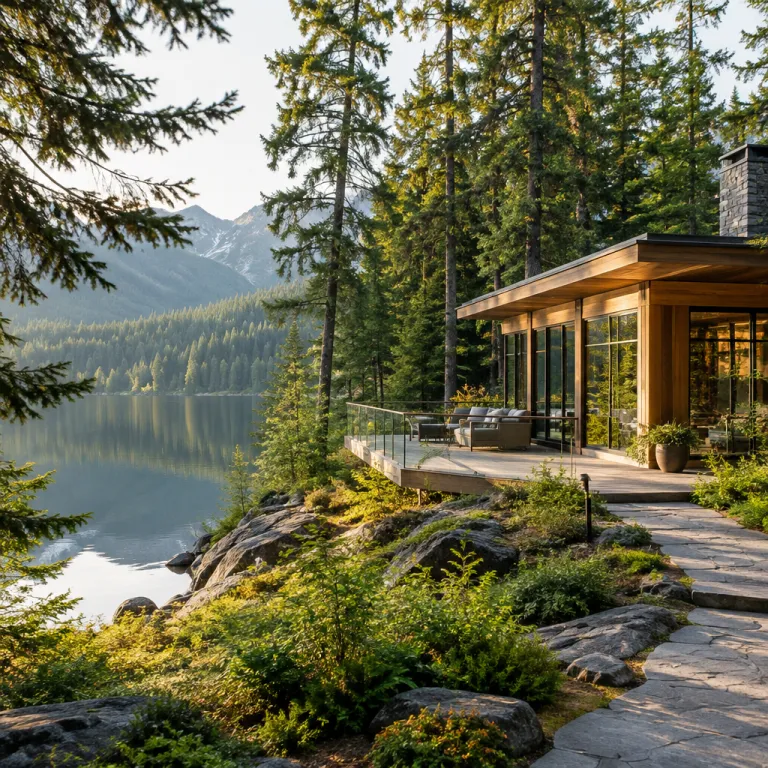
Why boutique design hotels in Canada feel different after peak season
Across Canada, the most characterful boutique design hotels reveal themselves once the summer rush fades. When the lobby is quiet at night, a true design-led hotel shows its intent through light, texture and how guests actually move through the space. With fewer people, couples finally feel the architecture working for them rather than against the crowds.
A genuine luxury design property is not just a stylish hotel with pretty rooms and a good view. It is a place where the architecture, art, furniture and even the way the hotel spa or bar is lit are all based on a single, coherent story. Off season, those records of intent become legible; you notice how a corridor frames the city skyline or how a chair in the lounge is angled toward lake reflections rather than the television.
Across major cities such as Montréal, Toronto and Vancouver, the most interesting boutique hotels share this creative discipline. In Montréal, several hotels based in former warehouses now feel like gallery spaces once the doors are open but the crowds are gone. In Vancouver and Toronto, luxury boutique properties use local stone, cedar and wool to root their design in place, and the quieter months let you feel that sense of location with every step.
How the quiet season flatters architecture, service and price
When the last festival leaves Montréal or the cruise ships depart Vancouver, design-forward hotels finally breathe. Staff in a luxury property have time to talk about the art on the walls, the architect behind the staircase, or the story of the reclaimed wood in the rooms. That unhurried service is where a small luxury boutique stay in Canada starts to feel personal rather than performative.
There is also a practical upside for couples watching their budget without sacrificing style. With softer demand, the average price per night at many hotels based in major city centres drops, sometimes significantly compared with peak months. Destination Canada trend summaries suggest that in some urban markets, average daily rates in shoulder season can sit 10–20% below peak, and that lower price per night often includes free breakfast, late checkout or a complimentary hotel spa slot, which stretches the value of a multi-night stay and pairs well with strategies like choosing hotels built for longer stays.
Design hotels in Toronto, Montréal and Vancouver also feel physically different when they are not full. You can sit in a window seat in a hotel Toronto lounge and actually hear the city outside instead of lobby chatter. In Vancouver, the Wedgewood Hotel bar becomes a calm, wood-panelled living room at night, while in Toronto the Hazelton Hotel courtyard feels like a private garden rather than a scene. As one Vancouver general manager put it, “In November, guests finally notice the way the fireplace, the fabrics and the city lights talk to each other — the design stops competing with the crowd.”
Regional character: Montréal, Toronto and Vancouver through a design lens
Each Canadian city expresses design hospitality in its own accent, and that matters when you are choosing where to stay. Montréal leans toward gallery-like spaces, where boutique hotels in converted industrial buildings use concrete, brick and bold art to frame the city’s creative energy. In these Montréal properties, the rooms often feel like lofts, and the best ones balance a strong visual statement with genuinely comfortable beds and thoughtful lighting.
Toronto, by contrast, excels at polished urban luxury with a residential edge. In Yorkville, the Hazelton Hotel Toronto wraps guests in deep sofas, textured stone and a calm, almost cinematic lobby that feels especially intimate outside the summer rush. Over in the west end, the Drake Hotel turns its city location into a cultural hub, with rotating art, live music and a rooftop that feels more like a neighbourhood living room once the patio crowds thin.
On the Pacific coast, Vancouver and nearby lake and mountain towns favour material-driven design. The Wedgewood Hotel in downtown Vancouver is a classic example, pairing rich woods and European-inspired fabrics with views over a leafy city square that feels particularly serene in the shoulder season. Many hotels based along the coast or near a lake use stone, glass and timber to blur the line between rooms and landscape, and that connection to nature is clearest when the trails and seawalls are quiet.
From Québec to Lake Louise and Prince Edward County: landscape as design partner
Outside the big three cities, some of the most compelling boutique design hotels in Canada sit where architecture meets dramatic landscape. In Québec, design-minded hotels based in historic buildings often play with thick stone walls, narrow staircases and views over the St Lawrence River, which feel especially atmospheric on crisp autumn nights. The Germain Hotel group, for example, has properties where the Germain name signals a consistent standard of contemporary Canadian luxury layered onto very different locations.
Head west to Lake Louise in Alberta and you see how setting can dominate the experience. Here, even a large luxury hotel must frame the lake, the peaks and the changing light, and the best rooms feel like quiet observatories once the day trippers leave. Staying at Lake Louise outside the busiest months means you can sit by the window at night, watch the weather move across the water and feel the design recede in favour of the view.
In Prince Edward County, sometimes shortened locally to Edward County, small luxury boutique properties turn barns and farmhouses into refined retreats. Many of these hotels based near vineyards or along the lakefront pair minimalist interiors with generous windows, so the landscape becomes the artwork on the walls. If you are planning a wine-focused escape, it is worth reading guides such as this piece on staying in Canada’s wine country during harvest before you choose your hotel.
The trade offs of intimate design hotels and who they suit
Design-driven hotels in Canada rarely try to be everything to everyone, and that is part of their appeal. A small property might offer only a compact hotel spa, a single restaurant and fewer room categories, but it compensates with personality and a strong sense of place. For couples, that can mean trading a long list of amenities for a more memorable night where the staff remember your names and your preferred view.
There are practical considerations to weigh before you book. Some boutique hotels in dense city neighbourhoods have limited on-site parking, and not every luxury boutique stay will be fully pet friendly, so you need to check policies carefully. Families may find interconnected rooms or kid-focused facilities less common, which is why larger properties or those explicitly marketed as family-friendly hotels, such as the examples discussed in this guide to elegant family friendly stays with interconnected rooms, can be a better fit for multi-generational trips.
For design-conscious couples, though, the balance usually tilts in favour of these smaller Canadian properties. You gain quieter lounges, more intentional lighting at night and a staff-to-guest ratio that feels generous once the peak season ends. Whether you choose a Germain Hotel in Québec City, a Drake Hotel room in Toronto or a Wedgewood Hotel suite in Vancouver, the off season amplifies the qualities that make these hotels based on strong creative visions so compelling.
How to choose the right design led stay for your trip
Start by deciding what you want the hotel to do for your journey. In a big city like Toronto or Montréal, your rooms may be a stylish base between restaurant reservations and gallery visits, so location and neighbourhood energy matter as much as the interior design. In that case, a hotel Toronto address in Yorkville or the Plateau can shape your entire experience of the city.
If you are planning a slower escape, the hotel itself becomes the destination. A lakeside property near Lake Louise or along a quiet lake in Prince Edward County should offer generous windows, comfortable seating and a view that holds your attention even when the weather keeps you indoors. Here, checking how the price per night changes between peak and shoulder seasons can reveal excellent value, especially when breakfast, parking or free spa access are included.
Finally, read full descriptions and recent guest feedback with a critical eye. Look for consistent records of attentive service, well maintained rooms and design details that match the photos, rather than relying on a single glowing review. When a Canadian property is based on a clear creative vision and delivers it calmly once the crowds leave, you have likely found the kind of boutique design hotels in Canada that justify planning your entire trip around them.
Key figures on luxury and design hotels in Canada
- According to Destination Canada, international overnight arrivals to the country dropped sharply during global travel restrictions and have been rebuilding since, which has created more pronounced shoulder seasons that benefit guests seeking quieter luxury stays.
- Tourism Industry Association of Canada data shows that urban centres such as Toronto, Montréal and Vancouver account for a large share of hotel room revenue, yet occupancy in these city markets typically softens in late autumn and early spring, improving availability at design-focused properties.
- Statistics Canada lodging reports indicate that average daily rates in major Canadian cities can be significantly lower outside peak summer and holiday periods, in some cases by more than 15%, allowing travellers to access higher tier luxury rooms for a more approachable price per night.
- Provincial tourism boards in Québec, British Columbia and Alberta highlight that shoulder season visitation to regions such as Québec City, Vancouver Island and the Canadian Rockies has grown, reflecting increased interest in off-peak cultural and nature-based travel.
FAQ about boutique design hotels Canada in the off season
What makes a Canadian design hotel worth the higher nightly rate ?
A strong Canadian design property justifies its price through coherent architecture, curated art, quality materials and attentive service that all express a clear vision. When those elements align, the hotel becomes part of the trip’s narrative rather than just a place to sleep. Off season, you experience more of that value because the spaces and staff are less stretched.
Is autumn really the best time to book boutique design hotels in Canada ?
Autumn is often ideal because demand eases after summer, yet many Canadian destinations remain vibrant. You benefit from lower average price per night, more room choice and quieter public spaces in both city and lakefront hotels. The softer light and cooler temperatures also flatter architecture and landscapes from Montréal to Lake Louise.
How far in advance should couples book for an off season stay ?
For major events or popular weekends in cities like Toronto or Montréal, booking six to eight weeks ahead is sensible even in the shoulder season. For quieter midweek stays, you can often secure excellent rooms with less notice, especially at smaller hotels based outside the main tourist zones. Flexible dates usually translate into better rates and more interesting room types.
Do design focused hotels in Canada accommodate pets and wellness needs ?
Policies vary widely, so you should always confirm whether a property is pet friendly and what restrictions apply. Many luxury boutique hotels now offer some form of wellness facility, from compact gyms to full hotel spa experiences, but the scale depends on the building. Reading detailed amenity lists and recent guest comments helps align expectations with reality.
Are rural design hotels in places like Prince Edward County or Lake Louise hard to reach ?
Reaching rural Canadian design properties usually involves a drive from a major airport hub such as Toronto or Calgary. Roads to regions like Prince Edward County and Lake Louise are well maintained, but travel times can lengthen in winter weather. Planning arrival during daylight and checking seasonal conditions ensures the journey matches the calm you expect on arrival.