Why Indigenous luxury in Canada feels different from five star chains
Indigenous luxury tourism in Canada begins with whose story you are entering. In many Indigenous tourism settings, the most refined lodges on the coast or along a river are not just properties but living extensions of Indigenous culture and traditional territory, which changes how guests move through every space. True Indigenous owned and Indigenous led stays across British Columbia, from Vancouver to Vancouver Island and up the coast, treat luxury as a relationship with land, wildlife and people rather than a checklist of amenities.
When you choose Indigenous luxury tourism in Canada, you are often stepping into a house of memory as much as a lodge with high thread count linens. Many Indigenous people describe their lodges and cultural centres as places where guests can learn how tourism can support language revitalization, youth training and guardianship of bears, whales and other wildlife. That means your stay on an island, near a river or in coastal lodges is part of a longer story about Indigenous culture, Indigenous experiences and Indigenous tourism that predates any hotel brand by centuries.
For a solo traveler used to global chains, this can feel both grounding and disorienting in the best way. You might arrive in Vancouver expecting a standard check in, then drive north into Squamish Lil wat cultural territory where a host opens with a land acknowledgement instead of a credit card swipe. Or you might fly to Haida Gwaii, where an Indigenous owned lodge on a remote island frames bear viewing and sea wolf watching as encounters with relatives, not attractions, which subtly asks guests to rethink what tourism in Canada can be.
Reading the signals: authentic Indigenous tourism versus tokenism
For Indigenous luxury tourism in Canada, the most important question is not how soft the bed feels but who benefits from your stay. Authentic Indigenous tourism experiences are Indigenous owned or clearly Indigenous led, with Indigenous people in decision making roles and visible partnerships with local communities on whose traditional territory the lodge or house sits. When you browse options from Vancouver to Campbell River or Haida Gwaii, look for explicit statements about Indigenous ownership, cultural protocols and how revenue supports Indigenous culture rather than vague references to “local heritage”.
One practical test is to see whether Indigenous culture appears as a living presence or as décor. At genuine Indigenous lodges on Vancouver Island or the central coast, cultural tours are usually guided by Indigenous people who share their own stories, songs and river histories, and who can explain why certain wildlife like bears or sea wolf populations are spiritually significant. By contrast, tokenistic tourism products might offer a single dance performance for guests, with no context, no Indigenous experiences beyond photo opportunities and no mention of Indigenous tourism organizations or Destination Canada’s Indigenous tourism partners. For a deeper sense of how real this can feel in practice, look to resources such as this guide to hotels that connect guests to Indigenous Canada, which highlights properties where story and stewardship lead.
Language on a website can be revealing if you read it closely. Authentic Indigenous luxury tourism in Canada usually names the specific Nation, such as Haida, Lil wat or Squamish Lil wat, acknowledges traditional territory and may reference a cultural centre or community house that anchors programming. Operators who are serious about Indigenous tourism often mention Indigenous led governance structures, Indigenous owned equity stakes and collaborations with regional Indigenous tourism associations, while token offerings tend to speak in generalities about “First Peoples” without naming any Indigenous people or communities at all.
How to show up: guest etiquette, protocol and presence
Being a good guest within Indigenous luxury tourism in Canada starts long before you arrive at the lodge. Once you have chosen an Indigenous owned or Indigenous led stay, take time to learn whose traditional territory you are entering, whether that is Haida Gwaii, the Squamish Lil wat region near Vancouver or Kwakwakaʼwakw lands around Campbell River and the north coast. Many cultural centres and Indigenous tourism organizations in British Columbia and across Canada publish guidance on respectful visiting, including why land acknowledgements matter and how guests can support Indigenous culture beyond a single trip.
On site, etiquette is less about rigid rules and more about attention. When hosts invite you into a house for a meal, a river ceremony or a wildlife orientation, follow their lead on when to speak, when to photograph and when to simply listen, especially during cultural tours that touch on sacred stories or community history. Some Indigenous experiences, such as bear viewing or sea wolf and wolf adventures along the coast, may include protocols about distance, silence and movement, because in many Indigenous cultures these animals are kin rather than attractions, and your guide’s instructions are about safety and respect in equal measure.
Luxury here often looks like time and care rather than excess. You might spend an evening in an oceanfront lodge on Vancouver Island with no formal entertainment, just a host sharing how Indigenous tourism has supported language classes for young Indigenous people in the community. For more context on how such properties reframe hospitality, you can read about Indigenous run lodges that are rewriting Canadian hospitality, which shows how guests who arrive ready to learn often leave with a changed sense of what travel can mean.
What guests take home: when luxury becomes connection
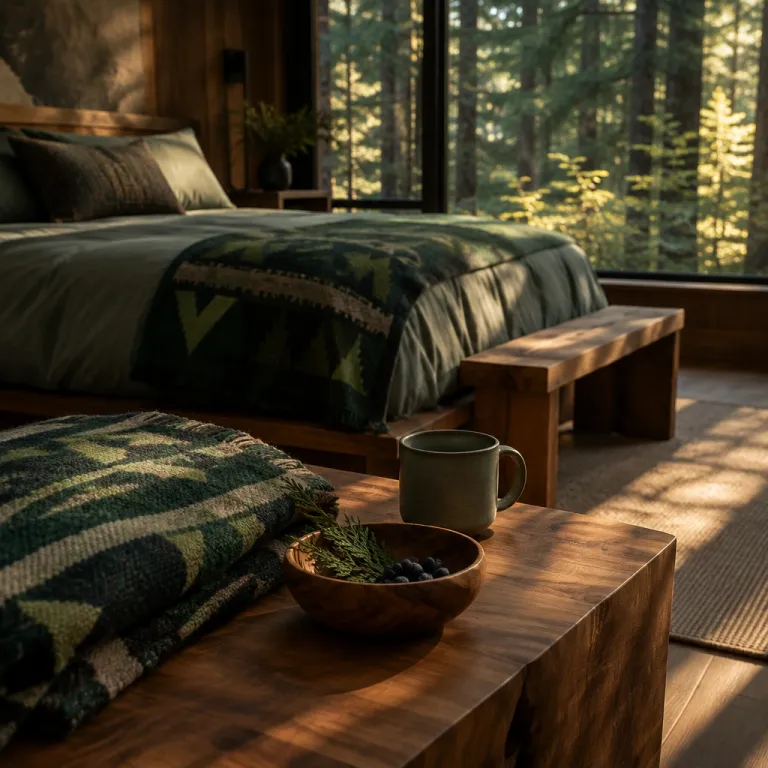
Travelers who choose Indigenous luxury tourism in Canada rarely talk first about thread counts when they return home. Instead, they describe the feeling of waking in a cedar lodge on Haida Gwaii or Vancouver Island, hearing a river outside and realizing that every element of the stay, from the artwork in the house to the menu, reflects Indigenous culture and Indigenous experiences shaped by that exact place. Many guests say that bear viewing, sea wolf watching or other wildlife encounters on the coast feel different when framed by Indigenous people as meetings with relatives, which can quietly shift how you think about tourism and consumption.
Solo travelers in particular tend to value the intimacy of these lodges and cultural tours. You might arrive at an Indigenous owned property near Campbell River expecting polished service and leave remembering a late night conversation about Indigenous tourism with a local guide who grew up on that traditional territory, or a visit to a cultural centre where you learned how carving or weaving supports both economy and identity. Articles such as the feature on Canada’s luxury lodges under the northern lights show how, across Canada, Indigenous led properties are redefining luxury as the chance to be briefly folded into a community’s rhythm rather than insulated from it.
For many, the deepest shift is internal. After a few days within Indigenous luxury tourism in Canada, some guests find that the most meaningful moments were the quietest ones, like listening to a Haida elder explain the history of an island, or watching children play outside a community house that benefits from lodge revenues. Those experiences can recalibrate what you seek from future tourism in Canada, nudging you toward Indigenous culture, Indigenous people and Indigenous tourism operators who treat every stay as part of a longer relationship between guests, land and community.
How to choose and vet Indigenous-led stays for your trip
Choosing well within Indigenous luxury tourism in Canada means doing a little homework before you book. Start by checking whether a property is clearly Indigenous owned or Indigenous led, which should be stated plainly on its website and ideally verified through regional Indigenous tourism associations or Destination Canada’s Indigenous tourism listings. Look for specific Nation names such as Haida, Lil wat or Squamish Lil wat, references to traditional territory and mentions of partnerships with a cultural centre, community house or Indigenous people’s organizations.
Next, examine how the lodge or lodges describe their experiences. Strong Indigenous tourism operators in British Columbia, from Vancouver to Campbell River and Haida Gwaii, usually offer cultural tours, wildlife outings and river trips that are guided by Indigenous people and framed as Indigenous experiences rather than generic excursions. Read closely for details about bear viewing, sea wolf or wolf adventures on the coast, and how these activities are managed to respect wildlife and Indigenous culture, because serious operators will explain their protocols and conservation commitments in clear language.
Finally, consider whether the tone of the marketing aligns with what you want from Indigenous luxury tourism in Canada. Properties that emphasize connection, learning and respect for Indigenous culture tend to attract guests who are ready to listen and engage, while those that focus only on exclusivity may treat Indigenous experiences as add ons rather than the core of the stay. For a solo explorer, choosing lodges that centre Indigenous people, acknowledge traditional territory and integrate cultural tours into daily life will usually lead to richer, more grounded tourism in Canada, where luxury feels less like escape and more like an invitation to belong, briefly and respectfully.
FAQ
How can I tell if a stay is genuinely Indigenous owned or Indigenous led ?
Look for clear statements about Indigenous ownership, leadership and Nation affiliation on the property’s website, not just generic references to “local culture”. Authentic Indigenous luxury tourism in Canada usually names the specific Indigenous people whose traditional territory you are visiting and may reference partnerships with a cultural centre or community house. You can also cross check with regional Indigenous tourism associations or Destination Canada’s Indigenous tourism resources to confirm that the lodge or operator is recognized by Indigenous organizations.
What kind of etiquette should I follow at Indigenous lodges and cultural tours ?
Respectful behavior starts with listening and following host guidance. When you join cultural tours, bear viewing outings or river based Indigenous experiences, let your Indigenous guides set the tone for when to ask questions, when to photograph and how to move through wildlife habitat or ceremonial spaces. Simple actions such as arriving on time, dressing modestly for visits to cultural centres and acknowledging that you are on traditional territory go a long way toward being a good guest.
Are Indigenous luxury stays suitable for solo travelers ?
Many Indigenous lodges and Indigenous tourism operators in Canada are excellent fits for solo travelers who value connection and learning. Smaller properties on Vancouver Island, Haida Gwaii or near Campbell River often host communal meals, guided cultural tours and shared wildlife excursions, which make it easy to meet other guests while spending meaningful time with Indigenous people. If you are comfortable with quieter evenings and open to conversation, Indigenous luxury tourism in Canada can feel especially rewarding when traveling alone.
How do wildlife activities like bear viewing or sea wolf watching work at Indigenous lodges ?
At Indigenous owned and Indigenous led lodges, wildlife activities are usually framed as respectful encounters rather than entertainment. Guides from local Indigenous communities explain cultural teachings about bears, sea wolf populations and other wildlife, then lead small groups by boat or along a river using strict distance and noise protocols to protect animals and habitat. These Indigenous experiences often include context about conservation, traditional territory and how tourism revenue supports stewardship programs.
What should I expect from the level of comfort at Indigenous luxury properties ?
Indigenous luxury tourism in Canada typically offers high levels of comfort, with well designed lodges, quality linens and thoughtful dining that highlights local ingredients. The difference from conventional luxury is that design choices, artwork and programming are rooted in Indigenous culture and community priorities, so you may find fewer flashy amenities and more emphasis on time with hosts, cultural centres and the surrounding land. If you value meaningful connection as much as physical comfort, these lodges often feel more luxurious than many urban hotels.