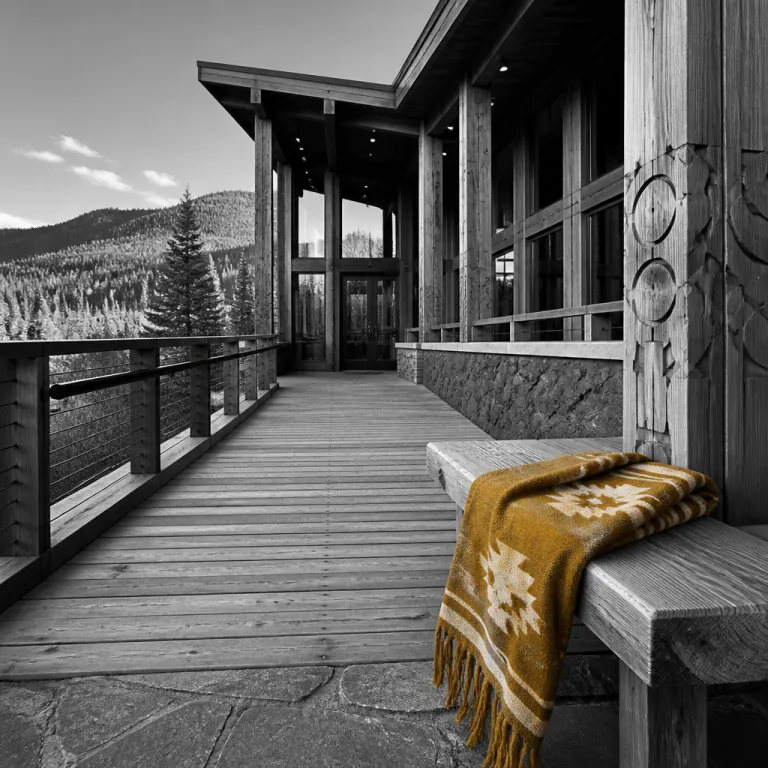
From cultural tourism to cultural extraction in luxury stays
Luxury travelers are increasingly drawn to Indigenous cultural hotels Canada experiences across vast regions of Canada. That shift raises a difficult question for any lodge or resort that references Indigenous culture in its branding ; when does respectful cultural tourism slide into quiet cultural extraction. The answer matters for every solo traveler who wants culture, comfort and conscience to align.
In Canada, Indigenous tourism has grown from a niche adventure product into a sophisticated hospitality sector where Indigenous owned properties lead the conversation. Some hotels still treat indigenous culture as décor, while others embed living heritage into every stay through language, food, and guided cultural experiences that are led by Indigenous peoples themselves. When you book, you are choosing whether your money will support culture heritage and real communities or simply fund another themed lobby.
Authentic Indigenous cultural hotels Canada experiences start with governance, not just aesthetics. A property that is Indigenous owned or co managed with a nation usually has clear agreements about how culture, stories, and traditional knowledge will be shared with guests. That structure protects Indigenous peoples from cultural extraction and gives travelers confidence that their stay respects both heritage and future generations.
Look closely at how a hotel describes its cultural offerings and its relationship with nearby nations. Vague references to “local tribes” or “ancient traditions” without naming specific nations, such as the Haida Nation or Huron Wendat Nation in Québec, are red flags. By contrast, hotels that name their partner nations, explain protocols, and invite guests into structured cultural experiences signal that they understand the line between respectful cultural tourism and exploitation.
Responsible Indigenous tourism also acknowledges land and history in concrete ways. Properties that situate themselves within Canada Indigenous histories, from British Columbia to the Northwest Territories, help guests understand why this land matters beyond its scenery. When a lodge team explains how grizzly bears, spirit bear stories, and salmon runs connect to Indigenous culture and survival, wildlife becomes part of a living classroom rather than a backdrop for social media.
Where luxury meets living heritage: flagship Indigenous stays
Some of the most compelling Indigenous cultural hotels Canada experiences are led by communities who have turned ancestral lands into world class retreats. In British Columbia, Klahoose Wilderness Resort stands out as an Indigenous owned wilderness resort in Desolation Sound, where the Klahoose Nation hosts guests in cedar accented comfort. Here, culture, wildlife, and adventure are braided together so tightly that a single day can move from bear viewing to carving demonstrations to stories shared beside the fire.
Klahoose Wilderness Resort is more than a scenic lodge ; it is a living expression of Klahoose culture heritage on the coast of British Columbia. Guided excursions into Toba Inlet focus on grizzly bears and black bears, but every wildlife sighting is framed through Indigenous culture and stewardship teachings. Guests quickly understand that bear viewing here is not a spectacle but a relationship, shaped by protocols that the Klahoose Nation has followed for generations.
Farther north along the British Columbia coast, Knight Inlet and nearby inlets host several lodges where grizzly bears and coastal wildlife define the adventure. When choosing among these, prioritize Indigenous tourism operators or partners who center Indigenous peoples in guiding and interpretation. A non Indigenous wilderness resort may offer similar scenery, yet it rarely matches the depth of cultural experiences that come when a nation leads the narrative on its own territory.
On Haida Gwaii, Haida House at Tllaal offers another benchmark for Canada Indigenous hospitality. This intimate resort style property works closely with the Haida Nation to weave Haida art, language, and traditional foods into daily life. Guests can join cultural experiences that range from visits to ancient village sites to conversations with Haida artists, turning a remote island stay into a masterclass in Indigenous culture and resilience.
In Québec, Hôtel Musée Premières Nations near Québec City pairs a refined hotel with a powerful museum dedicated to Huron Wendat heritage. This hotel musée Premières Nations concept places guests steps from an authentic Iroquois longhouse, where interpretive programs illuminate traditional architecture, governance, and daily life. For solo travelers, it is one of the easiest places in Canada to combine premium comfort with structured learning about Indigenous nations in a compact, walkable setting.
Urban and gateway stays: Indigenous hospitality before the wilderness
Not every traveler can reach remote inlets or islands, yet Indigenous cultural hotels Canada experiences also thrive in cities and gateway towns. In Vancouver, Skwachàys Lodge blends a hotel with an Indigenous artist in residence program, turning each room into a curated gallery. Guests sleep surrounded by original works that speak to Indigenous culture, urban life, and the ongoing presence of Indigenous peoples in one of Canada’s busiest ports.
On Vancouver Island and the north coast of British Columbia, properties such as Kwa’lilas Hotel in Port Hardy serve as refined base camps for coastal adventure. This Indigenous owned hotel showcases Gwa’sala Nakwaxda’xw culture through carved poles, artwork, and a lobby that feels like a contemporary big house. Many guests arrive for wildlife tours or ferry connections, then realize that their most memorable cultural experiences begin before they ever board a boat.
In Alberta, Hotel Dene & Conference Centre in Cold Lake offers another lens on Indigenous tourism in Canada. Here, Dene culture shapes everything from artwork to meeting spaces, making it a strong option for travelers who mix business and leisure. The property demonstrates how a conference focused resort can still foreground Indigenous heritage, proving that culture and corporate travel do not need to exist in separate worlds.
Urban stays also help solo travelers ease into Indigenous cultural hotels Canada experiences without committing to remote logistics. A few nights at Hôtel Musée Premières Nations in Wendake, just outside Québec City, can anchor a wider Québec itinerary that includes the Musée Premières Nations exhibits and guided walks along the river. From there, guests can continue to other regions where Indigenous nations welcome visitors into lodges, cabins, and wilderness resort settings.
Even when you stay in a mainstream luxury resort, you can still seek Indigenous culture in nearby attractions. In Montréal or Toronto, look for galleries, Indigenous tourism offices, and cultural centers that highlight Indigenous owned businesses and experiences. These urban touchpoints prepare you for deeper engagement later, whether you head north toward the Northwest Territories, west to British Columbia, or east to Québec’s river valleys and coastal communities.
Solo traveler playbook: reading between the lines when you book
For independent travelers, the most meaningful Indigenous cultural hotels Canada experiences often come from slowing down. Solo guests tend to stay longer, ask more questions, and join cultural experiences that couples sometimes skip in favor of spa time. That curiosity is powerful, but it also carries responsibility when you choose where you will sleep and spend.
Start by reading how a property describes its relationship with Indigenous nations and communities. Look for clear statements that the hotel is Indigenous owned or operated in partnership with a specific nation, such as the Klahoose Nation, Haida Nation, or Métis communities behind Métis Crossing in Alberta. When a resort mentions Indigenous culture without naming Indigenous peoples, nations, or concrete programs, you are likely seeing marketing rather than meaningful engagement.
Next, examine the activities that shape each stay, especially in wildlife rich regions like Knight Inlet or the Great Bear Rainforest. Ethical bear viewing, spirit bear tours, and grizzly bears safaris should be guided by operators who respect Indigenous protocols and conservation science. If a wilderness resort offers aggressive wildlife encounters or guarantees close approaches, that is a sign that adventure is being prioritized over culture heritage and ecological health.
Solo travelers should also pay attention to how itineraries balance comfort and learning. A property that offers language workshops, storytelling evenings, and visits to cultural sites such as Haida House village locations or the Musée Premières Nations is investing in education, not just entertainment. These experiences help you understand why Canada Indigenous histories matter to the land you are crossing, from British Columbia fjords to Québec riverbanks.
Finally, consider seasonality and crowd levels when planning Indigenous cultural hotels Canada experiences. Shoulder season stays often mean smaller groups, longer conversations with knowledge keepers, and more flexible time for reflection. If you are pairing cultural immersion with mountain or lake escapes, resources like the in depth guide on why July in Canada’s mountain resorts feels different this year at mycanadianstay.com can help you time your travel for both climate and crowd patterns.
How to spot genuine partnerships and avoid performative gestures
As Indigenous cultural hotels Canada experiences gain visibility, more luxury brands reference Indigenous culture without building real relationships. The difference between genuine partnership and performative gestures often appears in the smallest details. You can learn a lot from who tells the stories, who benefits financially, and how culture is framed in daily operations.
Authentic Indigenous tourism usually features Indigenous guides, artists, and managers in visible roles. When you arrive at a lodge or resort and meet Indigenous staff who speak about their own nation, heritage, and land, you are seeing partnership in action. By contrast, properties that rely on non Indigenous interpreters to explain Indigenous culture risk flattening complex histories into simplified narratives.
Financial structures matter as much as storytelling in Canada Indigenous hospitality. Indigenous owned properties such as Klahoose Wilderness Resort, Hôtel Musée Premières Nations, and Spirit Ridge Resort in Osoyoos ensure that revenue flows back to Indigenous peoples and communities. These models support language revitalization, youth programs, and land stewardship, turning each guest stay into a small investment in future generations.
Transparency is another hallmark of trustworthy Indigenous cultural hotels Canada experiences. Look for clear information about how cultural experiences are developed, whether elders are consulted, and how sacred knowledge is protected. Properties that share guidelines about photography, sacred sites, and traditional protocols are signaling respect for Indigenous nations rather than treating culture as a limitless resource.
When in doubt, ask direct questions before you travel about who owns the business, which nations are involved, and how cultural content is approved. Responsible operators will welcome these questions and provide specific answers about their partnerships from British Columbia to Québec and the Northwest Territories. This simple step helps you avoid experiences that feel like cultural extraction and instead support lodges, museums, and wilderness resort stays that honor both land and people.
Beyond the room: museums, crossings, and the future of Indigenous stays
Indigenous cultural hotels Canada experiences do not end at the guestroom door. Across Canada, a growing network of museums, cultural centers, and crossroad properties deepen what you learn in each lodge or resort. These places turn a single stay into part of a longer journey through Indigenous culture and contemporary life.
Hôtel Musée Premières Nations in Wendake is a leading example, pairing a refined hotel with the Musée Premières Nations and an on site longhouse. Guests can move seamlessly from curated exhibits on Huron Wendat heritage to immersive storytelling evenings beside the fire. This hotel musée Premières Nations model shows how luxury hospitality and museum level interpretation can coexist without reducing Indigenous peoples to the past.
In Alberta, Métis Crossing offers another template for Canada Indigenous travel. Here, guests explore Métis culture through riverfront trails, traditional crafts, and seasonal programs that highlight both history and modern Métis life. While accommodations range from simple cabins to more polished options, the emphasis on cultural experiences makes Métis Crossing a valuable complement to higher end resorts elsewhere in Canada.
Farther north, lodges in the Northwest Territories and northern British Columbia are beginning to integrate Indigenous tourism principles into wildlife and aurora focused stays. When these properties partner closely with local nations, grizzly bears, caribou, and northern lights become entry points into deeper conversations about land rights, climate change, and cultural resilience. The best wilderness resort operators understand that adventure and culture heritage are inseparable in these fragile environments.
Across all these destinations, one message remains consistent for travelers seeking Indigenous cultural hotels Canada experiences. “Hotels owned and operated by Indigenous communities, offering cultural experiences.” “Why stay at an Indigenous-owned hotel?” “To experience authentic Indigenous culture and support local communities.” “Are there Indigenous-owned hotels across Canada?” “Yes, they are located in various provinces, offering diverse experiences.” As federal investment and community leadership continue to grow, staying where stories live will only become more central to how discerning travelers experience Canada.
FAQ: Indigenous cultural hotels and experiences in Canada
What defines an Indigenous owned hotel in Canada ?
An Indigenous owned hotel in Canada is a property where legal ownership and strategic control rest with an Indigenous nation, community, or Indigenous peoples led organization. These hotels integrate Indigenous culture, language, and heritage into design, programming, and governance. Revenue typically supports community priorities such as education, land stewardship, and cultural revitalization.
How do Indigenous cultural hotels differ from standard luxury resorts ?
Indigenous cultural hotels Canada experiences place cultural experiences and relationships at the core of the stay, not as optional add ons. Guests might join guided bear viewing or wildlife walks framed by Indigenous knowledge, visit on site museums such as the Musée Premières Nations, or sleep near traditional structures like longhouses. Standard luxury resorts may offer comparable comfort but rarely provide this depth of connection to Indigenous culture and local nations.
Are Indigenous cultural stays suitable for solo travelers ?
These properties are particularly rewarding for solo travelers who value learning and reflection. Smaller group sizes at lodges, museums, and wilderness resort settings make it easier to ask questions and engage with knowledge keepers. Many Indigenous tourism operators in British Columbia, Québec, Alberta, and the Northwest Territories welcome solo guests and can tailor cultural experiences to individual interests.
Where in Canada can I combine wildlife viewing with Indigenous culture ?
Coastal British Columbia offers some of the strongest combinations of wildlife and Indigenous cultural hotels Canada experiences. Regions such as Knight Inlet, Haida Gwaii, and Desolation Sound host lodges and resorts where grizzly bears, spirit bear stories, and marine wildlife are interpreted through Indigenous perspectives. Inland, places like Métis Crossing and other Indigenous tourism sites connect prairie and river ecosystems with living culture heritage.
How can I be sure my stay supports Indigenous communities ethically ?
Before booking, confirm whether the hotel or lodge is Indigenous owned or operates under a formal partnership with a specific nation. Ask how cultural programs are developed, whether elders are involved, and how revenue supports Indigenous peoples and community projects. Choosing transparent operators, such as Klahoose Wilderness Resort, Hôtel Musée Premières Nations, or other clearly Indigenous tourism leaders, helps ensure your travel dollars reinforce rather than extract culture.