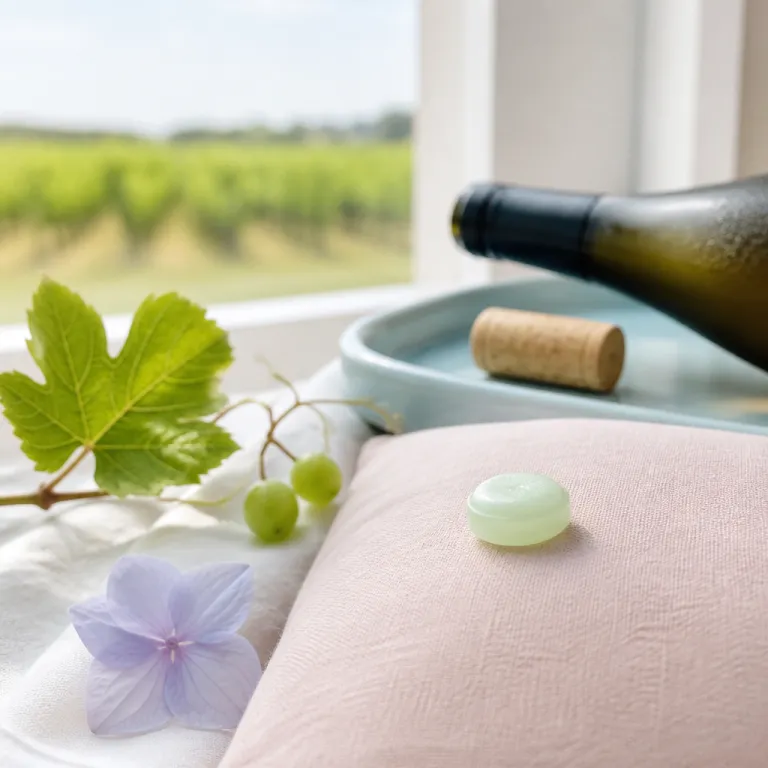
What makes wine country hotels in Canada genuinely luxurious ?
In Canada’s wine regions, genuine luxury means the vineyard shapes every moment of your stay. The most memorable wine country hotels in Canada, from Niagara to the Okanagan Valley, are designed so that the first thing you see from your guest room is a line of vines or a glimpse of lake, not a parking lot. A true wine hotel is defined by how deeply wine, food and landscape are woven into the experience rather than by star ratings alone.
Industry insiders often answer a basic set of questions for first timers; “What is a wine hotel?” and “Why visit Niagara wine hotels?” and “When is the best time to visit Niagara wine hotels?” because these three ideas frame expectations for serious travelers. The pioneers behind Niagara-on-the-Lake’s vineyard stays worked with local wineries, tourism boards and chefs to create a new category where the vineyard is not just scenery but the central amenity. That shift helped transform quiet agricultural country near Lake Ontario into one of Canada’s most sophisticated rural escapes, a change reflected in Destination Canada’s reporting on the growth of culinary and wine tourism since the early 2000s, when food and wine related trips began contributing more than $1 billion annually to visitor spending nationwide.
Luxury travelers now compare Canadian wine country hotels in Niagara and the Okanagan with benchmark regions such as Napa and Bordeaux, and the best properties hold their own. The most compelling hotels are located either within working vineyards or directly beside them, with tasting rooms, cellar tours and pairing dinners often built into the nightly rate or available as curated packages. When guests enjoy this level of immersion, they stop asking whether they are staying at a hotel near vineyards and start talking about living on an estate, even if only for a weekend.
Niagara-on-the-Lake: where the vineyard became the hotel
Niagara-on-the-Lake is where the idea of Canadian wine country hotels first felt inevitable rather than experimental. Here, the flat shimmer of Lake Ontario meets orderly vineyards, and the town’s historic streets sit a short drive from more than one hundred wineries in the broader Niagara Peninsula, according to the Vintners Quality Alliance (VQA) of Ontario, which lists over 55 VQA wineries in the Niagara-on-the-Lake sub appellation alone. The result is a compact wine country where guests can walk from an inn to a tasting room, then to a restaurant that serves seasonal plates built around local produce and Niagara wines.
The most influential Niagara wine hotels did three things differently from traditional properties in the region. They integrated vineyards with accommodations, created wine centric activities on site and collaborated closely with local wineries and tourism boards to shape a shared identity. That collaboration contributed to a wine tourism sector that, according to Destination Canada and provincial tourism reports, generates hundreds of millions of dollars in visitor spending each year and supports thousands of jobs across the broader Niagara region, proving that vineyard stays can sustain full service hospitality rather than just weekend guest house operations.
Stays at properties such as the historic Pillar and Post Inn, part of the Vintage Hotels collection, show how far the model has evolved. Here, a hotel spa uses grape seed oils and vinotherapy inspired rituals, while the restaurant serves flights of cool climate wines that highlight pinot noir, pinot gris, cabernet franc and cabernet sauvignon from nearby vineyards. At nearby Two Sisters Vineyards, guests pairing a tasting with dinner at Kitchen76 can move from a structured flight of estate cabernet franc to handmade pasta on a terrace overlooking the vines, illustrating how lodging, dining and winery experiences now interlock. For travelers who prioritize wellness, these Niagara-on-the-Lake retreats pair naturally with Canadian wellness escapes featured in guides to luxury spa hotels in Canada where wellness meets five star service, creating itineraries that move gracefully between wine, water and restorative treatments.
From Niagara Falls to lake Ontario: how experiences outgrew the view
Early Niagara hotels sold the drama of Niagara Falls and little else. As the wine industry matured, the most ambitious wine country properties in this part of Canada pivoted away from waterfall proximity and toward vineyard intimacy. Today, the most coveted addresses are located closer to Niagara-on-the-Lake and the quiet shoreline of Lake Ontario than to the roar of the gorge, with many guests choosing to visit the Falls as a day trip rather than as the focus of their stay.
What distinguishes a serious wine hotel from a hotel simply near wineries is programming. Sommelier curated tastings, harvest season packages, blending workshops and vineyard view guest rooms priced by the row all signal that wine is the core narrative, not a side activity. When guests enjoy a vertical tasting of Okanagan wine or Niagara pinot noir led by the winemaker, followed by a cabernet franc focused dinner, they are participating in a hospitality model that treats the vineyard as both stage and script.
Flagship estates such as Peller Estates in Niagara-on-the-Lake helped define this approach by pairing on site wineries with refined guest experiences. A visit might include a cellar dinner where the restaurant serves back vintage cabernet sauvignon, a morning walk through frost tipped vineyards and an afternoon spa treatment using grape based products. At Trius Winery, for example, guests can book a sparkling focused tasting in the Trius Brut cellar before sitting down to a multi course menu that pairs local lamb with structured Niagara cabernet sauvignon. For travelers used to mountain resorts, the shift from chairlift views to vineyard rows can feel as profound as the seasonal changes described in analyses of why July in Canada’s mountain resorts feels different this year.
Okanagan Valley: British Columbia’s answer to Napa
Across the country in British Columbia, the Okanagan Valley has built its own version of Canadian wine country luxury. Here, long lakes carve through desert like hillsides, and vineyards climb steep benches above the water. Towns such as Kelowna and the Naramata Bench area have become anchors for travelers who want both serious Okanagan wine and refined hotels, with more than 40 wineries on the Naramata Bench alone according to regional wine associations.
Properties located along the eastern shore of Okanagan Lake often blur the line between resort and working estate. Guests wake to views of vineyards dropping toward the lake, then walk a few minutes to winery tasting rooms pouring pinot gris, pinot noir and structured cabernet sauvignon. The best hotels in this region operate as full service retreats, with spa facilities, lake access, and restaurants where the chef and sommelier design menus around local wines and seasonal valley ingredients.
Compared with Niagara-on-the-Lake, the Okanagan offers a more expansive, almost Mediterranean feeling landscape. Stays on the Naramata Bench or near Kelowna tend to emphasize outdoor activity, from cycling between vineyards to paddleboarding before an afternoon tasting. For couples planning a broader Canadian itinerary, it is easy to pair these lakeside vineyard stays with alpine lodges or even hot springs focused trips, using resources such as guides to elegant Canadian stays for travelers drawn to hot springs as inspiration for multi region journeys.
The business of vineyard stays: loyalty, rates and seasonality
Behind the romance of wine country hotels in Canada lies a precise business model. Vineyard stays in Niagara-on-the-Lake, the Okanagan Valley and emerging regions such as Nova Scotia’s Annapolis Valley operate on shorter peak seasons than urban hotels. To balance that, they rely on higher nightly rates, strong repeat guest loyalty and carefully curated experiences that justify the premium.
Owners of Niagara wine hotels and Okanagan estates talk openly about the economics of integrating vineyards and hospitality. On site wineries and vineyards require year round agricultural investment, while guest rooms and spa facilities must meet luxury expectations even in shoulder seasons. The payoff comes when guests enjoy such a seamless blend of wine, food and landscape that they return for harvest, winter ice wine festivals and spring bud break, often booking the same inn or guest house year after year.
For travelers, this means that the most atmospheric properties, from historic Niagara-on-the-Lake icons to contemporary lakeside hotels near Kelowna, often sell out months ahead for key weekends. Booking early for harvest season, arranging private tastings at estates such as Peller Estates and planning time to explore multiple wineries across both Niagara and the Okanagan Valley will turn a simple hotel stay into a layered wine country narrative. In a market where eco friendly practices, organic wines and local sourcing are rising, the hotels that treat the vineyard as their true lobby will continue to define Canadian wine country luxury.
How to choose your Canadian wine country hotel
Selecting between Niagara and the Okanagan for a vineyard focused escape starts with your travel style. Niagara-on-the-Lake suits couples who want walkable streets, historic architecture and quick access to both Lake Ontario and Niagara Falls. The Okanagan Valley appeals to travelers who prefer wide open landscapes, long lakes and a slightly more relaxed, West Coast rhythm.
When comparing specific hotels, look first at how closely they are located to working vineyards and wineries. Properties built directly on an estate, with on site winery operations, vineyard view guest rooms and integrated tasting programs, will always feel more immersive than hotels that simply run shuttle buses to tasting rooms. Ask whether the restaurant serves a deep list of local wines by the glass, whether the spa incorporates grape based treatments and whether the team can arrange private tastings of pinot noir, pinot gris, cabernet franc or cabernet sauvignon with partner wineries.
Finally, consider how each property handles seasonality and experience design. Some Niagara and Okanagan icons now offer harvest packages, winter cellar dinners and spring pruning workshops, turning a two night stay into a genuine connection with the land. If a hotel talks about its vineyards, its Okanagan wine or Niagara wines with the same care it gives to thread counts and spa menus, you have likely found the kind of place where the vineyard truly follows you from vine to pillow mint.
FAQ: Canadian wine country hotels
What is the difference between a wine hotel and a regular hotel near vineyards ?
A wine hotel integrates the vineyard into almost every aspect of the stay. You can expect on site tastings, pairing dinners, vineyard view rooms and staff trained to guide you through local wines. A regular hotel near vineyards may offer shuttles or basic tasting suggestions but does not build its identity around wine.
Why should I choose Niagara-on-the-Lake for a wine focused trip ?
Niagara-on-the-Lake combines a dense cluster of wineries with a charming historic town and easy access to Lake Ontario. Many properties sit within a short drive of both vineyards and Niagara Falls, allowing you to balance wine tasting with sightseeing. The region also offers a wide range of restaurants that highlight local produce and Niagara wines.
When is the best time to visit Canadian wine country for a luxury stay ?
Harvest season from late summer into early autumn offers the most energy, with grapes on the vines and many special events. Spring brings quieter vineyards, fresh releases and better availability at top hotels. Winter can be atmospheric in Niagara, especially during ice wine festivals, though some Okanagan properties operate on reduced schedules.
How do Niagara and the Okanagan compare for wine country luxury ?
Niagara focuses on cool climate varieties and compact touring, with many wineries close together around Niagara-on-the-Lake. The Okanagan offers a more dramatic landscape, warmer summers and long lakes, with wineries spread along the valley from Kelowna to the Naramata Bench and beyond. Both regions now feature high end hotels, so your choice often comes down to whether you prefer historic towns or wide open British Columbia scenery.
Do I need to book wine tours and tastings in advance ?
Advance reservations are strongly recommended, especially at popular estates and during harvest weekends. Many luxury hotels can arrange private tours, driver services and curated tastings if you contact them before arrival. Planning ahead ensures you can visit multiple wineries each day without rushing or facing fully booked cellars.
References
Destination Canada (culinary and wine tourism reports, 2002–2023); Vintners Quality Alliance (VQA) Ontario winery listings; marketplaceniagara.com tourism data; Canada’s 100 Best Restaurants rankings and features on Niagara and Okanagan dining