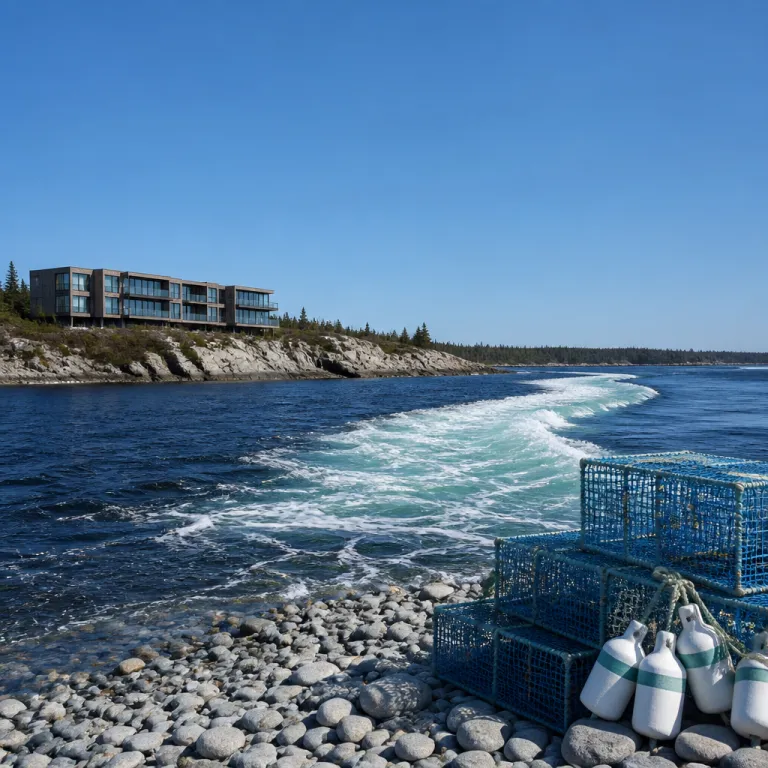
Why luxury hotels on Nova Scotia’s Atlantic coast Canada are finally on your radar
Luxury hotels on the Nova Scotia Atlantic coast Canada are no longer a niche secret. Travelers who once defaulted to mountain resorts in western Canada now look east for a different class of coastal drama, where fog, tides and working harbours frame every stay. This shift is reshaping which hotels and resorts count as the best places to stay in the country.
Along this shoreline, the word luxury means proximity to lobster boats, not distance from them. A waterfront hotel in Halifax or a remote lodge in rural Nova Scotia might share the same Atlantic view, yet the experience of each room at night feels distinct and intensely local. The best hotels now lean into that contrast, pairing polished resort spa facilities with the sound of buoys clanging just beyond your window.
For many guests, the decision to stay in Nova Scotia instead of British Columbia or Alberta comes down to texture. You trade alpine golf courses for cliff edge fairways and tidal inlets, and you swap infinity pools for hot tubs that steam in the salt air beside historic wharves. The result is a new generation of hotels and resorts that treat the rough edges of the coast as an asset, not a flaw.
Coastal Nova Scotia also benefits from easier access than many expect. Direct flights into Halifax place you within an hour or two of several of the best hotels, from urban waterfront properties to country inns and lodges. Once you leave the city center, the road to each resort or inn becomes part of the experience, with views that shift from harbourfront to forest to open Atlantic in a single afternoon.
That accessibility matters for solo travelers planning a short Nova Scotia stay. You can land in Halifax, check into a hotel Halifax property for one night, then move on to a golf resort or wilderness lodge without losing a day in transit. For guests used to long transfers in western Canada, the compact scale of Nova Scotia feels like a quiet luxury in itself.
As demand grows, the range of hotels and resorts on offer has widened. You now find everything from a high rise hotel with a full fitness center in downtown Halifax to a low slung lodge deep in the Tobeatic Wilderness, where the night sky is the main amenity. Across this spectrum, the best hotels share a commitment to local seafood, coastal wellness and a slower, more tidal rhythm of stay.
Halifax to the headlands: urban class meets Atlantic weather
Halifax is the natural starting point for exploring luxury hotels on the Nova Scotia Atlantic coast Canada. The city center curves around a working harbour, so even a quick stay in a hotel Halifax property keeps you close to ferries, seafood shacks and historic waterfront warehouses. From here, you can branch out to resorts and inns along both the Atlantic and Bay of Fundy coasts.
Muir, Autograph Collection, has become the reference point for urban coastal luxury in Halifax. Rooms frame the harbour view like a moving painting, with lobster boats sliding past glass walls while you dress for a late night in the dining room downstairs. The hotel’s spa and fitness center feel intentionally maritime, with design cues drawn from shipbuilding and North Atlantic weather rather than generic resort spa styling.
Halifax also works as a hub for travelers combining city energy with quieter places to stay Nova Scotia along the coast. You might spend one night in a high floor room with city center lights, then drive to a small inn on the South Shore where the only glow comes from a wood stove. That contrast between hotels in the same province underlines how varied a single stay in Nova Scotia can be.
For sports fans planning future trips tied to major events, the city offers a useful comparison point with western hubs. Guides that examine what the FIFA World Cup means for luxury stays in Toronto and Vancouver show how Canadian cities are raising their hotel game, and Halifax is quietly applying similar standards on a smaller, more maritime scale. You feel it in the class of service, the precision of the dining room teams and the way concierges talk about local golf or whale watching as naturally as theatre tickets.
Even in the city, the Atlantic shapes your stay. Fog rolls in fast, softening the skyline and turning a harbourfront hotel into a cocoon where the best place to be is a window seat in your room with a glass of Nova Scotia sparkling wine. On clear days, the view stretches to the harbour mouth, and you can trace the route you will drive tomorrow toward resorts and lodges along the open coast.
Halifax hotels also act as a gentle introduction to the province’s seafood culture. Menus highlight Digby scallops, Lunenburg sausage and local oysters, giving you a preview of the more immersive lobster suppers you will find at rural inns and hotels resorts later in your trip. By the time you check out, you understand that in this part of Canada, the dining room is as central to luxury as the spa.
Trout Point Lodge and the rise of wilderness class
Leave the highways behind and the idea of luxury hotels on the Nova Scotia Atlantic coast Canada shifts again. Deep in the Tobeatic Wilderness, Trout Point Lodge shows how a remote property can feel more indulgent than any city hotel, precisely because it sits so far from traffic and streetlights. Here, the night sky and the sound of the river become part of the room experience.
Trout Point Lodge is often described as a wilderness eco lodge, but that undersells the level of class and comfort on offer. Guests return from guided forest walks to a hot tub under the stars, then move into a candlelit dining room where local trout, foraged greens and Nova Scotia cheeses anchor the menu. The lodge’s approach aligns with a broader rise in luxury eco tourism across Canada, where industry surveys suggest that a substantial share of travelers now look for innovative sustainability practices in hotels and resorts.
The property’s location near the Tobeatic Wilderness means you can pair a Nova Scotia stay with serious stargazing and river paddling. Rooms are designed to frame the forest view rather than distract from it, and at night the absence of city center light pollution becomes a rare luxury. For many solo travelers, this kind of lodge stay offers a reset that no urban hotel can match.
Trout Point Lodge also illustrates how coastal provinces are rethinking what counts as a resort spa. Instead of a vast complex of treatment rooms and pools, you find smaller, more intentional wellness spaces that connect directly to the surrounding forest and water. That design philosophy echoes new coastal openings across Canada, including projects like Blackbush at Old Tracadie Harbour in Prince Edward Island, a sustainable beach resort with around 30 rooms and seafood forward restaurants that signal where Atlantic hospitality is heading. (Public reporting has cited investment figures in the tens of millions of dollars for Blackbush; travelers should check the latest sources for precise numbers.)
For travelers tracking emerging properties, it is worth following curated overviews of Canadian hotel openings that highlight which resorts and inns are worth watching. These guides show how Nova Scotia and its neighbours are investing in hotels resorts that balance environmental responsibility with high end comfort. Trout Point Lodge sits at the forefront of that movement, proving that a remote lodge can deliver both luxury and low impact operations.
From a practical standpoint, this kind of wilderness stay pairs well with more traditional resorts. You might spend a night or two at a golf resort on the coast, then retreat inland to Trout Point for dark skies and quiet rivers before returning to Halifax. That mix of hotels, from harbourfront to forest lodge, is what makes planning a multi stop stay in Nova Scotia so rewarding.
Fox Harb’r, golf fairways and the tidal edge of luxury
On the Northumberland Shore, Fox Harb’r Resort anchors the conversation about luxury hotels on the Nova Scotia Atlantic coast Canada. The property sits near Wallace, where manicured golf fairways meet a rugged shoreline that still feels distinctly working class and maritime. This contrast between polished resort and raw coast is exactly what defines the region’s new wave of luxury.
Fox Harb’r Resort is a fully fledged golf and resort spa destination, with a championship golf course that runs along the water and a spa complex designed for long, restorative afternoons. Guests can move from a morning on the golf course to an afternoon massage, then sit down in the dining room for a lobster focused menu supplied by local fishermen. The resort’s team openly acknowledges that “What is Fox Harb'r Resort? A luxury resort in Nova Scotia offering upscale accommodations and amenities.”
The rooms at Fox Harb’r balance classic resort styling with a constant reminder of place. Large windows frame the sea view, and at night the sound of the tide underlines that you are still on a working coast in Nova Scotia, not an anonymous beach resort somewhere else in Canada. For many guests, that sense of location is as important as the thread count or the size of the fitness center.
Fox Harb’r also benefits from its partnerships with Tourism Nova Scotia and local fishermen, which keep the resort grounded in its community. Menus change with lobster seasons and scallop landings, and staff can talk as easily about nearby coastal trails as they can about tee times. This integration of local activity into a high class resort stay reflects a broader goal across the province to boost tourism while supporting the regional economy and preserving natural beauty.
From a planning perspective, Fox Harb’r works well as part of a longer itinerary that includes other hotels and lodges. You might start with a night in a hotel Halifax property, move on to Fox Harb’r for golf and spa time, then continue to a more remote inn or lodge on Cape Breton. That progression from city center to resort to wilderness gives your Nova Scotia stay a satisfying narrative arc.
For travelers who usually look to places like Fogo Island or western Canadian ski resorts for high end stays, Fox Harb’r offers a different kind of edge. The resort’s class lies not only in its facilities but in the way it frames the surrounding landscape, turning tidal flats, changing weather and working boats into part of the luxury story. In this corner of Nova Scotia, the best hotels do not hide the coast’s roughness; they stage it.
Cape Breton, Keltic Lodge and the pull of the open Atlantic
Drive north and the conversation about luxury hotels on the Nova Scotia Atlantic coast Canada inevitably reaches Cape Breton. This island within the province feels like a world apart, with the Cabot Trail wrapping around cliffs and coves that face straight into the Atlantic. Here, the best hotels and lodges lean into wind, waves and long horizons rather than sheltering guests from them.
Keltic Lodge at the Highlands is the classic example, perched on a narrow point of land that feels almost like a ship’s bow. Rooms look out over steep headlands and surf, and at night the sound of the ocean becomes a constant backdrop to your stay. The lodge’s historic status adds another layer of class, reminding guests that luxury in Nova Scotia has long been tied to dramatic landscapes rather than urban glamour.
On Cape Breton, golf and hiking share equal billing with coastal drives and seafood suppers. Courses hug the cliffs, offering a view that rivals any resort in western Canada, while nearby trails lead to lookouts where you can watch whales and seabirds from high above the water. After a day outside, returning to a warm dining room with a menu built around local lobster and fish feels like the natural end to the night.
The island also invites comparisons with other remote luxury destinations in Canada, such as Fogo Island in Newfoundland and Labrador. Both places use architecture and design to frame the surrounding seascape, yet Cape Breton’s hotels and inns tend to feel more traditional, with wood paneled lounges and classic room layouts. That mix of old world lodge atmosphere and wild Atlantic weather appeals strongly to solo travelers who value character over flash.
While Keltic Lodge is the headline property, smaller inns and hotels around Cape Breton offer compelling places to stay Nova Scotia as well. Some sit close to the city center of Sydney, giving you easy access to music venues and restaurants, while others occupy quiet coves where the main evening activity is watching the light fade over the water. Across this range, the common thread is a commitment to local culture, from fiddle music to Acadian recipes.
For many guests, a Cape Breton segment becomes the emotional high point of a longer Nova Scotia itinerary. You might arrive after nights in Halifax and at a resort spa on the mainland, only to find that the raw combination of cliffs, wind and historic lodges lingers longest in memory. In a province defined by water, this is where the Atlantic feels closest to your room key.
White Point, lobster suppers and choosing your perfect coastal stay
On the South Shore, White Point Beach Resort captures another side of luxury hotels on the Nova Scotia Atlantic coast Canada. This long running beach resort sits on a stretch of sand and rock where waves roll in steadily, and guests drift between surf watching, coastal walks and long meals built around seafood. The atmosphere is relaxed yet polished, with enough class to satisfy discerning travelers without losing its seaside charm.
Rooms at White Point range from main lodge accommodations with a direct ocean view to standalone cottages that feel more like private inns. At night, the combination of crashing surf and crackling fireplaces turns even a short Nova Scotia stay into a full sensory reset. The resort’s dining room leans heavily on local lobster, scallops and seasonal produce, making every dinner feel like a low key lobster supper with elevated technique.
Choosing between properties like White Point, Fox Harb’r, Trout Point Lodge and urban hotels in Halifax comes down to how you like to structure your time. Some travelers want a resort spa with a full fitness center and golf course, while others prefer a smaller inn or lodge where the main amenity is a quiet reading chair facing the water. The good news is that Nova Scotia now offers enough hotels and resorts to match almost any coastal travel style.
For solo explorers, one effective strategy is to mix room types and locations across a single itinerary. Start with a night in a hotel Halifax property near the city center, shift to a golf focused resort like Fox Harb’r, then finish with a few nights at a beach resort or wilderness lodge. This progression lets you sample different classes of service and different interpretations of luxury without leaving the province.
Travelers who prefer smaller scale properties may find value in guides that explain how to choose the right executive inn near you for a refined Canadian escape. These resources help clarify when an inn, lodge or hotel will best match your expectations for service, privacy and amenities. In Nova Scotia, that decision often hinges on how close you want to be to the water and how much you value direct access to trails, beaches or golf.
Across all these options, one principle holds: the most memorable stays treat the coast’s roughness as a feature, not a flaw. Whether you are watching the Bay of Fundy’s tidal bores, eating lobster in a storm lashed dining room or falling asleep to waves outside your window, the Atlantic remains the constant. In a country as vast as Canada, that kind of tightly focused, maritime luxury feels refreshingly specific.
How Nova Scotia compares to other Canadian coastal and island escapes
When you weigh luxury hotels on the Nova Scotia Atlantic coast Canada against other Canadian destinations, the differences become clear. Western provinces offer mountain drama and large scale resorts, while places like Fogo Island deliver stark, design driven isolation. Nova Scotia sits between these extremes, combining accessible travel logistics with a strong sense of maritime place.
Compared with Fogo Island, where a single property dominates the conversation, Nova Scotia spreads its luxury story across multiple hotels, inns and lodges. You can move from a high rise hotel in Halifax to a forest lodge in the Tobeatic Wilderness and then to a golf resort on the Northumberland Shore without ever crossing a provincial border. That variety within one region makes it easier to build a multi stop Nova Scotia stay itinerary that still feels coherent.
From a sustainability perspective, the province aligns with a broader Atlantic trend toward eco wellness and coastal healing. Properties like Trout Point Lodge and emerging beach resorts across the Maritimes respond directly to the fact that many Canadian travelers now seek innovative environmental practices in hotels and resorts. This focus shows up in everything from energy systems to how dining rooms source seafood from local fishermen.
Accessibility also sets Nova Scotia apart from more remote coastal destinations. Direct flights into Halifax from major Canadian and United States cities, combined with seasonal ferry links from Maine, mean you can reach a hotel Halifax property in a single travel day. From there, most major resorts, inns and lodges sit within a few hours’ drive, turning even a long weekend into a viable coastal escape.
For travelers used to the scale of western Canada, the province’s compact geography can feel almost like a missing piece in your mental map of the country. Distances between hotels and resorts are short enough that you can change scenery without sacrificing relaxation time, yet the shifts in landscape and culture remain pronounced. One night you might be listening to live music in a city center bar, and the next you are watching stars over a quiet lodge deck.
Ultimately, the choice between Nova Scotia, Fogo Island and other Canadian coastal regions comes down to how you like your luxury framed. If you want a single, all encompassing design statement, an island property may suit you best, while if you prefer a sequence of varied hotels, resorts and inns tied together by lobster suppers and Atlantic views, Nova Scotia delivers. In every case, the province’s rough edges are not sanded down; they are polished just enough to feel like home for a few nights.
Key figures shaping luxury travel on Nova Scotia’s Atlantic coast
- Nova Scotia welcomes millions of visitors per year, according to Tourism Nova Scotia, a scale that allows luxury hotels and resorts to thrive without overwhelming coastal communities. (Exact annual totals vary by season and source, so travelers should consult the latest tourism statistics for current figures.)
- The province lands tens of millions of pounds of lobster annually, based on Fisheries and Oceans Canada data, which explains why lobster suppers and seafood focused dining rooms are central to high end hotel experiences. Specific catch numbers fluctuate year by year and by fishing zone.
- Blackbush at Old Tracadie Harbour in Prince Edward Island represents a major investment in sustainable coastal hospitality, signalling the level of capital now flowing into Atlantic beach resort projects. Publicly reported cost estimates have varied, so any single dollar figure should be treated as approximate rather than definitive.
- Industry reporting indicates that a significant share of Canadian travelers actively seek innovative sustainability practices in hotels and resorts, a trend that supports eco focused properties like Trout Point Lodge and other wilderness lodges. Different surveys cite different percentages, but the direction of demand is consistently upward.
- Tourism Nova Scotia notes that luxury tourism is a key growth segment, with initiatives aimed at boosting high end visitation while preserving natural beauty and supporting local economies along the Atlantic coast. Strategy documents emphasize balancing visitor numbers with community well being.
FAQ about luxury stays on Nova Scotia’s Atlantic coast
What is Fox Harb’r Resort and what does it offer?
Fox Harb’r Resort is a luxury resort on Nova Scotia’s Northumberland Shore that combines upscale rooms, a championship golf course, a full spa and refined dining. Guests can play golf along the coast, book spa treatments and enjoy seafood focused menus that highlight local lobster and other Atlantic ingredients. The resort operates year round, with activities that shift from summer golf to cooler season wellness and culinary experiences.
What activities are available at Fox Harb’r Resort?
Guests at Fox Harb’r Resort can play golf on a course that runs beside the water, book spa services ranging from massages to body treatments and explore nearby coastal trails. The property also offers gourmet dining that emphasizes local seafood, along with opportunities for cycling, clay shooting and seasonal outdoor activities. Its location near Wallace makes it a convenient base for exploring the surrounding shoreline and small communities.
Is Nova Scotia known for lobster and seafood?
Nova Scotia is widely recognized for its high quality lobster and a broad range of Atlantic seafood. Large annual lobster landings support both export markets and local restaurant menus, meaning hotel dining rooms can serve fresh lobster suppers throughout much of the year. Travelers will also find Digby scallops, local oysters and traditional dishes that reflect the province’s fishing heritage.
Why is luxury tourism growing on Nova Scotia’s Atlantic coast?
Luxury tourism is growing because travelers are seeking coastal experiences that feel authentic yet comfortable, and Nova Scotia offers that balance. Investments in resorts, inns and lodges, combined with strong partnerships between Tourism Nova Scotia, local fishermen and hospitality experts, have raised the overall standard of service. At the same time, the province’s rugged coastline, seafood culture and accessible location make it an appealing alternative to more crowded or distant destinations.
How far in advance should I book luxury hotels in Nova Scotia?
Travelers should book several months in advance for peak summer and early autumn stays, especially at high demand properties like Fox Harb’r Resort, Trout Point Lodge and Keltic Lodge. Shoulder seasons often offer more flexibility, but popular weekends and holiday periods can still sell out quickly. Booking early also improves your chances of securing specific room types with preferred views or access to particular amenities.