Remote luxury lodges in Canada behind the scenes of access and logistics
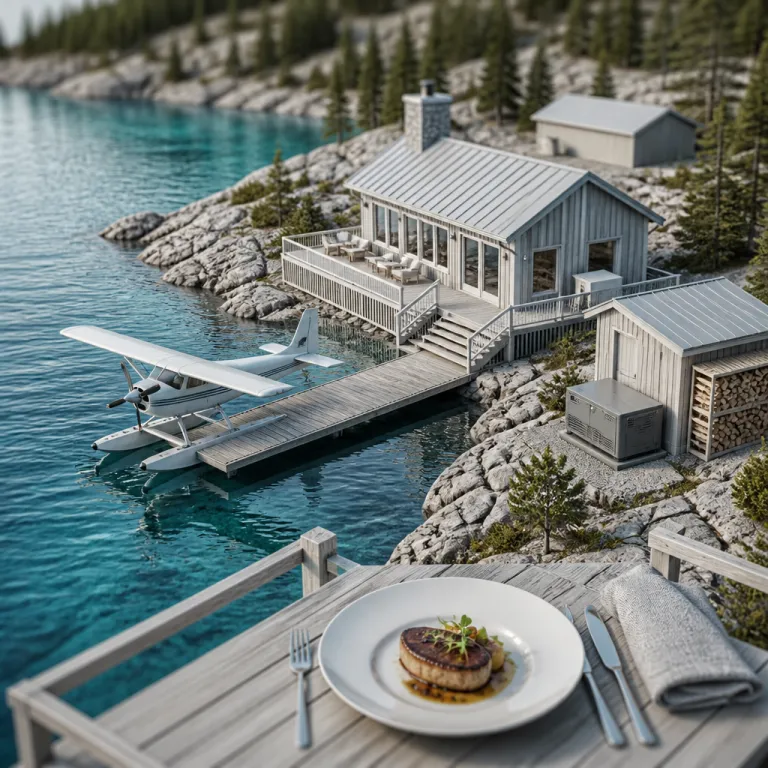
Reaching a remote luxury lodge in Canada often starts on the dock, where floatplanes idle beside stacked crates of produce and fuel drums. For many wilderness lodge operators, floatplane access is not a novelty but the backbone of operations, with pilots timing flights around tides, fog, and strict weight limits that shape every guest stay. When you book one of these luxury lodges in northern regions, you are also booking a complex choreography of aviation, weather windows, and safety protocols that quietly protect your travel plans.
Most of the most coveted lodges Canada offers sit far from any road, whether on a forested island in British Columbia, a hidden bay on Vancouver Island, or a river mouth in Arctic Canada where polar bears patrol the shoreline. Lodge owners work with charter flight services and sometimes helicopter operators to move everything from linens to wine, often within a short seasonal window that defines the entire year’s inventory. That is why couples planning a romantic stay are urged to book flights in advance and to read every transfer detail carefully, because a missed connection can mean a missed tide or a grounded floatplane.
Behind the scenes, fuel and power planning is as critical as guest arrivals, especially at each wilderness lodge that runs on a mix of generator power and increasingly large solar arrays. Generators hum in discreet sheds, backed by carefully stored fuel reserves sized to outlast storms, while solar panels and battery banks reduce noise and emissions without compromising luxury experiences. When you see the northern lights flicker above a remote bear lodge or island inn, the quiet glow in your suite is the result of months of calculations about energy loads, backup capacity, and the carbon paradox of off grid luxury.
Staffing the edge of the map: people, seasons, and invisible labour
Every polished stay in remote luxury lodges in Canada behind the scenes depends on a small, tightly knit équipe that lives on site for months. Lodge owners recruit chefs, guides, pilots, and housekeepers willing to trade city comforts for northern wilderness, then provide staff housing that can withstand storms, isolation, and four month operating seasons. In practice, that means compact cabins behind the main lodge, shared staff dining rooms, and carefully designed schedules that balance intense guest service with rare days off.
Seasonal staffing is one of the hardest operational realities for luxury lodges in British Columbia, Manitoba, and the Yukon, where access is often only by floatplane or boat. Many wilderness lodge teams return year after year, but retention is a constant challenge when contracts are short and the work is physically demanding, from bear viewing excursions to whale watching safaris and late night northern lights wake up calls. Lodge managers invest heavily in training, safety drills, and cross functional skills, so a guide might also help in the kitchen, while a housekeeper might be trained in wildlife viewing protocols and emergency response.
For couples, the result feels effortless, whether you are sipping Champagne at Nimmo Bay, watching whales off Vancouver Island, or warming up after a zodiac tour near Fogo Island. Behind the scenes, though, the same on site staff who greet you at the dock also monitor radios, track polar bear movements, and coordinate with pilots about changing weather. The dataset that underpins this sector is clear ; there are roughly 100 remote lodges across Canada welcoming about 5 000 seasonal visitors, which means each guest stay relies on a surprisingly small number of highly qualifiés people doing many jobs at once.
Remote hiring also shapes the culinary side of your stay, because chefs must be comfortable working with limited deliveries and improvising when a floatplane is delayed. Many couples are surprised to learn that the foie gras on their plate or the fresh berries in their dessert may have been flown in on the same aircraft that carried them, sharing precious cargo space with fuel and linens. For a deeper sense of how leadership culture in Canadian luxury has evolved from city towers to remote lodges, it is worth reading this analysis of a major brand’s transition in global high end hospitality, then contrasting that with the intimate scale of wilderness operations.
Energy, comfort, and the carbon paradox of off grid luxury
Powering a luxury lodge at the end of the grid is a constant balancing act between comfort and conservation. Many lodges Canada wide now combine diesel generators with solar arrays and battery storage, using generators mainly as backup during storms or peak demand. Guests see warm lighting, hot tubs, and heated floors, but behind the scenes, managers track every kilowatt hour to stretch fuel supplies and reduce emissions without compromising the luxury hotels standard they promise.
In northern and Arctic Canada, where winter darkness is long and temperatures plunge, the energy equation becomes even more complex. A wilderness lodge near Churchill in Manitoba, for example, might rely on generators during polar bear season, then scale back operations when the bay freezes and visitors leave, all while planning upgrades that reduce the long term environmental coût. Properties focused on northern lights viewing or polar bear photography often invest in extra insulation, triple glazed windows, and efficient boilers, because every improvement reduces the fuel that must be flown or barged in.
On the Pacific side, places like Nimmo Bay and remote Vancouver Island lodges experiment with micro hydro, solar, and careful zoning of guest spaces to minimize waste. A bear lodge in British Columbia might heat only occupied cabins, dim pathway lights after midnight, and encourage guests to unplug, turning remoteness into a premium amenity rather than a limitation. For couples who care about sustainability, it is worth asking how a lodge powers its operations and how it measures environmental résultats, then comparing that with urban luxury hotels discussed in this piece on heritage city properties, where grid power and infrastructure are taken for granted.
Energy planning also shapes the sensory experience of your stay, from the silence at night to the brightness of the stars. When generators can be shut down for long stretches thanks to solar and batteries, the only sounds might be waves in the bay, distant whales, or the crackle of ice under the northern lights. That quiet is not accidental ; it is the product of design choices that treat darkness and silence as part of the luxury experiences you are paying for, even if they never appear on the booking page.
From foie gras to foraged berries: food, freight, and design in the wilderness
The foie gras on your plate at a remote luxury lodge in Canada has travelled almost as far as you have. Chefs in these lodges juggle two competing imperatives ; offer world class cuisine and respect the wilderness that surrounds them. That means building menus around a mix of flown in delicacies and hyper local ingredients, from line caught salmon to foraged berries, while staying within the strict weight limits of each floatplane delivery.
In Clayoquot Wilderness on Vancouver Island, for example, a chef might pair seared foie gras with chanterelles gathered that morning, then finish the meal with berries picked along the forest edge. At Fogo Island, cooks lean into North Atlantic traditions, serving cod, root vegetables, and wild herbs, yet still rely on regular shipments for wine, dairy, and specialty items that define a luxury stay. Across lodges Canada wide, the same floatplanes that bring couples in for whale watching or bear viewing also carry crates of fresh produce, meaning weather delays can force last minute menu changes that guests rarely notice.
Design follows a similar paradox, because every wilderness lodge must offer five star comfort without overwhelming the landscape that makes it desirable. Architects work with tight footprints, elevated walkways, and careful sightlines, ensuring that wildlife viewing remains natural and that spirit bear or polar bear habitats are not disturbed by human presence. Many luxury lodges use local wood, subdued lighting, and low rise structures that hug the terrain, so the northern lights or bay views remain the star of the show rather than the building itself.
For couples comparing remote lodges with urban luxury hotels, it helps to think of these properties as small, self contained villages. Each island inn or bear lodge must integrate power, water, waste, staff housing, and guest comfort into a single compact site that can be supplied only a few times per season. The operational stratégie behind that integration is rarely visible, but it is what allows you to enjoy foie gras, fine wine, and a hot bath after a day spent in raw wilderness, far from any road or supermarket.
Why remoteness costs what it does, and what couples really pay for
Rates at remote luxury lodges in Canada can surprise even seasoned travelers, especially when compared with city luxury hotels. The price of a stay, though, reflects far more than a room ; it funds floatplane charters, generator fuel, staff flown in from across the country, and the redundancy required to keep guests safe in unpredictable wilderness. When you see a nightly rate that rivals a top suite in Vancouver, you are also seeing the hidden coûts of operating at the edge of the map.
Consider a polar bear focused wilderness lodge in Arctic Canada or northern Manitoba, where the season might last only a few weeks during peak polar bear viewing. Every piece of infrastructure, from boardwalks to bear safe storage, must be paid for within that short durée, while still supporting local communities and conservation initiatives. The same applies to northern lights lodges in the Yukon or remote bear viewing camps in British Columbia, where weather can cancel several days of arrivals yet fixed costs continue regardless.
For couples, the value lies in what you do not have to think about once you arrive. Lodge owners and their on site équipes handle emergency protocols, wildlife safety, and the logistics of getting you from a city like Vancouver to a secluded bay or island without incident. As one operations summary puts it plainly, "Book flights in advance.", "Pack for variable weather.", and "Confirm lodge amenities." — three deceptively simple steps that sit on top of a vast amount of planning.
Remoteness itself has become a premium amenity, especially for couples seeking a digital detox and deep reconnection. Some lodges Canada wide now advertise limited or no Wi Fi as a feature, framing silence, dark skies, and uninterrupted wildlife viewing as the ultimate luxury experiences. If you want to understand how this appetite for distance fits into the broader evolution of Canadian high end hospitality, it is worth reading the analysis of leadership shifts in a major brand on the future of Canadian luxury, then asking yourself what you truly value when you travel.
FAQ about remote luxury lodges in Canada
How do I reach a remote wilderness lodge in Canada ?
Most remote luxury lodges in Canada are accessible only by floatplane, boat, or occasionally helicopter. You typically fly to a gateway city such as Vancouver, Winnipeg, or Whitehorse, then connect to a charter arranged by the lodge. Because weather can affect schedules, you should keep some flexibility in your arrival and departure plans.
What amenities can I expect at a remote luxury lodge ?
Amenities vary widely between lodges, so it is essential to confirm details before you book. Many wilderness properties offer high quality dining, guided wildlife viewing, hot tubs or saunas, and well appointed rooms, but may have limited Wi Fi or no mobile coverage. Always ask specifically about power, heating, bathroom facilities, and any activities included in your stay.
Is Wi Fi usually available at remote lodges in northern regions ?
Wi Fi at remote luxury lodges is often limited, slow, or intentionally unavailable. Some properties provide a small connected area for essential communication, while keeping guest rooms offline to encourage disconnection. If constant connectivity is important to you, discuss options with the lodge before confirming your reservation.
When is the best time to see polar bears or the northern lights ?
Polar bear viewing in Manitoba and Arctic Canada generally aligns with autumn, when bears gather near the coast waiting for sea ice. Northern lights viewing is strongest during darker months with clear skies, especially in the Yukon and northern Manitoba. Because exact timing can vary, lodges often publish recommended windows based on long term données and local experience.
How far in advance should I book a stay at a remote lodge ?
Remote luxury lodges usually operate on short, highly seasonal calendars and fill quickly. For peak polar bear, whale watching, or northern lights seasons, booking 12 to 18 months ahead is common, especially for couples seeking specific room types. At a minimum, you should secure both your lodge stay and connecting flights several months before travel to avoid disappointment.