Planning where to stay in Quebec City centre-ville? Compare Upper Town, Lower Town and Saint-Roch, see example hotels, walking times and what to expect from rooms, amenities and prices.
Why Quebec City centre-ville is a smart place to stay
Stone streets under your feet, the St. Lawrence River just beyond the next slope, church bells from rue Saint-Jean cutting through the air. Staying in Quebec City centre-ville means you wake up inside the postcard, not outside looking in. For most guests planning a first or second visit to this city in Canada, this is the most practical and atmospheric location to book a hotel.
The compact historic district keeps distances short. Many of the best hotels in Quebec City are within a 5 to 10 minute walk of major sights, whether you are near Porte Saint-Louis, along rue Saint-Paul in the lower town, or close to the Parliament building. You can step out of your room and be at a café, a gallery, or the river promenade in just a few minutes walk, which matters on icy winter mornings and humid summer afternoons alike.
Centre-ville also concentrates the widest range of star hotel categories. From discreet five-star addresses with polished service to smaller city hotel properties with fewer rooms but strong character, the choice is dense. If you value atmosphere, walkability, and a sense of living history more than resort-style seclusion or expansive grounds with a large swimming pool, then Quebec City centre is where you should focus your search.
- Fairmont Le Château Frontenac (5★): landmark castle hotel with river views, 3–5 minutes on foot to Dufferin Terrace and the funicular.
- Auberge Saint-Antoine (4★): boutique property in Lower Town, about 8–10 minutes walk from Place d’Armes, known for museum-style artefacts.
- Hotel Manoir Victoria (4★): Upper Town address on rue Saint-Jean, roughly 6–8 minutes walk to the fortifications and place d’Youville.
Understanding the districts within Quebec City centre
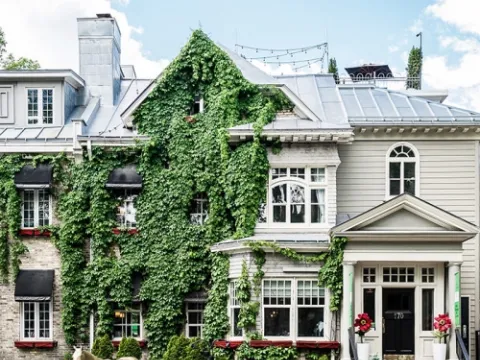
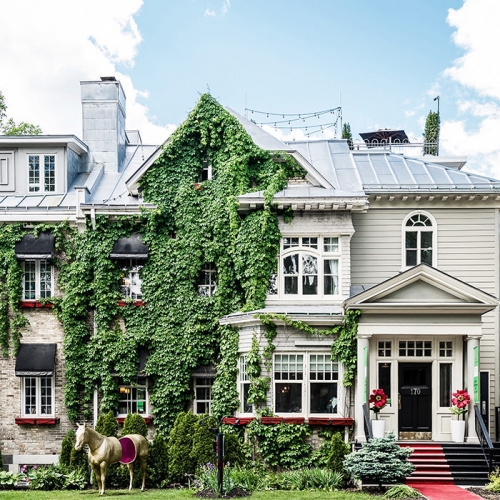
Upper Town and Lower Town feel like two different cities stacked on a cliff. In Haute-Ville, around rue Saint-Louis and rue Saint-Jean, hotels Quebec tend to occupy historic buildings with thick stone walls, high ceilings, and views over the city or the river. This is the classic postcard district Quebec, with the strongest sense of theatre and the highest concentration of visitors in peak season.
Down in Basse-Ville, near rue Saint-Pierre and Place Royale, the mood softens. Cobblestones, old warehouses turned into galleries, and a slower rhythm define this part of ville Quebec. A hotel centre property here often offers slightly larger rooms for the same star rating, and the streets feel quieter at night once the day-trippers leave. The trade-off is a short but steep climb or a funicular ride back up to the upper city.
Move just beyond the walls towards Saint-Roch and the feeling shifts again. This district Quebec has more contemporary city hotels, design-forward rooms, and a younger local crowd in the bars and restaurants along rue Saint-Joseph. It is still centre-ville in practical terms, but with fewer tour groups and more residents. If you prefer a lived-in neighbourhood over a purely historic stage set, this area can be the best location for you.
- Upper Town (Vieux-Quebec): closest to the Citadelle and Dufferin Terrace, ideal if you want iconic views and classic architecture.
- Lower Town (Old Port): near the riverfront and Place Royale, good for quieter evenings and slightly roomier layouts.
- Saint-Roch: a short 10–15 minute walk from the walls, with creative restaurants, cafés, and a more local, everyday feel.
What to expect from rooms, comfort and amenities
Rooms in Quebec City centre-ville are shaped by the architecture first. Many hotels occupy 19th century buildings, so you will see irregular layouts, thick beams, and sometimes smaller windows. A standard room in a star hotel inside the old walls may feel more intimate than a similar category in a modern tower elsewhere in Canada, but the trade-off is character and a strong sense of place. If you need more space, look for suites or corner rooms in renovated properties just outside the tightest historic core.
Sound insulation varies more than in purpose-built airport hotels. Stone walls help, but creaking floors and narrow corridors can transmit noise in older buildings. When you read reviews, pay attention to comments from guests about quiet rooms and interior-facing options. A courtyard-facing room can be a smart choice if you are sensitive to late-night sounds from busy streets like rue Saint-Jean or rue Saint-Louis.
As for amenities, centre-ville hotels Quebec tend to prioritise refined service, quality bedding, and well-designed bathrooms over sprawling leisure facilities. Some higher Quebec stars properties include a compact spa, a small indoor pool, or a rooftop terrace with city views, but you should not expect resort-style complexes. Decide whether you truly need a swimming pool in a city centre stay, or whether proximity to restaurants, museums, and the riverfront matters more for this trip.
- Typical nightly rates in high season range from mid-scale rooms around CAD 220–260 to luxury suites above CAD 450, depending on view and category.
- Recent guest reviews on major booking platforms often highlight cleanliness, helpful front-desk teams, and comfortable beds as key strengths in central properties.
- Several heritage hotels have undergone phased room renovations in the last decade, according to Destination Quebec Cité and official tourism updates.
Location choices: river views, quiet streets, or nightlife
Views over the St. Lawrence River are the dream, but they are not always the best value. A river-facing room often commands a higher rating category within the same hotel Quebec, while an interior or city-facing room can feel just as comfortable. If you plan to spend most of your time exploring, prioritise a calm, well-designed room over a premium view you will only enjoy briefly at sunrise and sunset.
For travellers who like to walk everywhere, staying near rue Saint-Jean or close to the fortifications by Porte Saint-Jean keeps you within a minute walk or two of cafés, bakeries, and key bus lines. Families might prefer a slightly quieter street behind the main arteries, where strollers and early bedtimes are easier to manage. Couples focused on restaurants and evening drinks often gravitate towards the edges of Saint-Roch, where the nightlife is livelier but still within a short minutes walk of the old city.
Winter visitors should consider the micro-logistics. Being within a 5 minute walk of your chosen restaurants, the Christmas market at place de l’Hôtel-de-Ville, or the skating rink at place D’Youville makes a real difference when sidewalks are snowy. In summer, shade and breeze matter more; streets closer to the river can feel cooler than the upper plateau on hot days. Think about your daily rhythm, then choose the location that supports it rather than chasing an abstract idea of the “best” address.
- Best for river views: Upper Town hotels along the bluff, roughly 3–6 minutes on foot from Dufferin Terrace and the boardwalk.
- Best for quiet: side streets in Lower Town and residential lanes just inside the walls, still within 10 minutes walk of major landmarks.
- Best for nightlife: Saint-Roch and the area near place d’Youville, with bars, theatres, and late-opening restaurants.
How to read stars, ratings and guest feedback
Star ratings in Quebec City centre-ville tell only part of the story. A four or five star hotel in a heritage building may offer fewer on-site facilities than a similar rating in a suburban area of another city in Canada, yet deliver a far richer sense of place. When comparing options, look beyond the official stars to the details that matter to you: room size, natural light, on-site dining, spa access, or the presence of a pool if that is essential.
Guest feedback can be revealing when you know what to look for. Instead of focusing on the overall rating alone, scan reviews for recurring themes: comments about the quality of sleep, the helpfulness of the équipe at reception, or the ease of walking to key sights. A slightly lower rating with consistently strong praise for staff and cleanliness can be a better choice than a higher score with mixed remarks about maintenance or noise.
Pay attention as well to how recent the reviews are, especially in a historic city centre where renovations and refurbishments happen in cycles. A property that has just refreshed its rooms or public spaces may feel very different from what older comments suggest. In short, use stars and ratings as a filter, then let the specifics of guest experience guide your final decision.
- Compare at least two recent review sources to confirm trends in comments about noise, breakfast quality, and Wi‑Fi reliability.
- Note whether guests mention ongoing construction or newly updated rooms, which can affect comfort and value.
- Look for feedback from travellers with similar priorities to yours, such as families, couples, or business visitors.
Who Quebec City centre-ville suits best
First-time visitors benefit the most from staying in the heart of centre-ville. You can walk from your room to the Citadelle, the Plains of Abraham, and the boutiques of rue du Trésor without ever needing a car. The city centre also works beautifully for short stays; if you have only two or three nights in Quebec City, being able to step straight into the streets of Vieux-Quebec maximises your time.
Couples and culture-focused travellers will appreciate the density of museums, galleries, and concert venues within the walls and in nearby Saint-Roch. Food lovers can build entire days around meals, from morning coffee on rue Saint-Joseph to late-night drinks near place d’Youville, all within a comfortable walking radius. For these guests, the hotel becomes a refined base camp rather than the main attraction.
Families and longer-stay visitors should weigh the trade-offs more carefully. Centre-ville offers atmosphere and convenience, but rooms can be smaller and parking more constrained than in outlying districts. If you value space, a quieter residential feel, or easier access to road trips along the Côte-de-Beaupré, you might choose to split your time: a few nights in the city centre for immersion, then a move to a property outside the walls for a different rhythm.
- Ideal for: first-time visitors, culture seekers, food travellers, and guests on short breaks.
- Good compromise: families who prioritise walkability and are comfortable with smaller rooms and structured parking.
- Consider elsewhere: travellers who need large suites, extensive grounds, or very easy highway access for daily excursions.
Is Quebec City centre-ville a good area to stay for a first visit?
Yes, Quebec City centre-ville is generally the best area for a first visit, because you can walk to most major sights, experience the historic atmosphere of Vieux-Quebec, and enjoy a wide choice of hotels, restaurants, and cultural venues without relying on a car.
What is the difference between Upper Town and Lower Town in Quebec City?
Upper Town sits on the cliff and includes the walled historic core around rue Saint-Jean and rue Saint-Louis, with many landmark buildings and panoramic views, while Lower Town lies along the river around Place Royale and rue Saint-Pierre, with cobblestone streets, former warehouses, and a quieter, more intimate feel.
Are hotels in Quebec City centre-ville noisy at night?
Noise levels vary by street and building; hotels on busy arteries like rue Saint-Jean can experience more late-night sound, while properties on side streets or with interior-facing rooms tend to be quieter, so checking guest comments about noise and requesting a calm room can make a noticeable difference.
Do city centre hotels in Quebec usually have swimming pools?
Some higher-category hotels in Quebec City centre-ville offer an indoor pool or small spa area, but many historic properties prioritise character and location over large leisure facilities, so travellers who consider a swimming pool essential should verify this amenity before booking.
Is it easy to explore Quebec City without a car if I stay in centre-ville?
Staying in centre-ville makes it very easy to explore Quebec City on foot, since major attractions, restaurants, and shops are concentrated within a compact area, and public transport or taxis can cover occasional longer trips, so many visitors choose not to use a car while in the historic centre.
Sources: Destination Quebec Cité, Gouvernement du Quebec tourism information, Parks Canada.