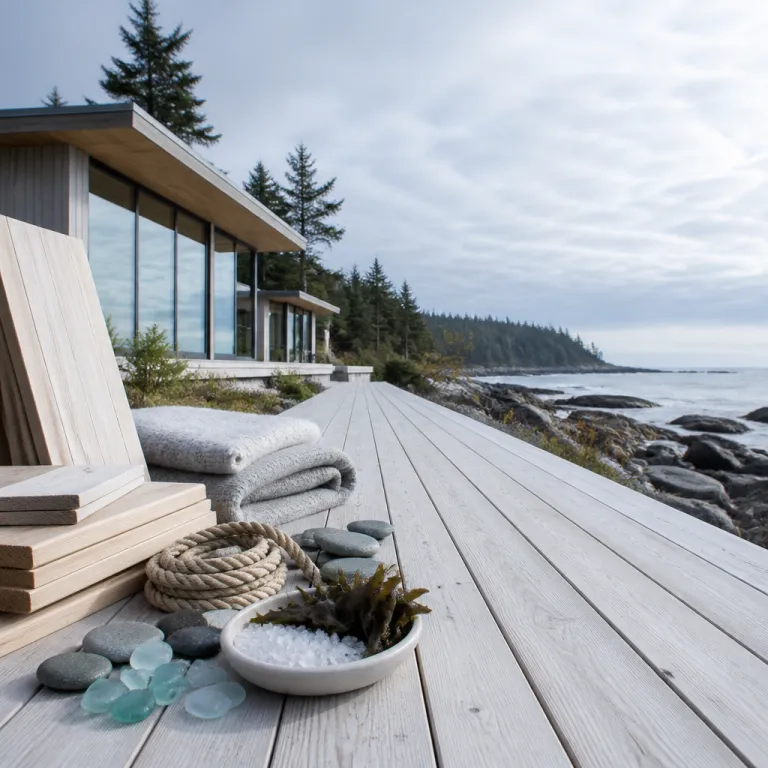
Luxury coastal hotels in BC’s Tofino and Ucluelet corridor
On British Columbia’s wild west coast, upscale oceanfront stays in the Tofino and Ucluelet area lean into the elements rather than shielding you from them. This stretch of Vancouver Island feels purpose built for couples who want a refined resort experience framed by the raw energy of the Pacific Ocean and the dense temperate rainforest. You come for the ocean views and stay because the combination of sandy beaches, storm watching and polished service makes every Tofino stay feel like a reset.
The Tofino and Ucluelet corridor sits beside Pacific Rim National Park Reserve, where long arcs of sandy beaches meet moss laden forest and the surf rolls in with hypnotic regularity. Many of the most sought after rooms sit just above the tide line, so you wake to the sound of waves on Long Beach or Cox Bay and end the day with sunsets that turn the entire bay copper. It is a place where a simple room key opens not just a lodge or inn, but direct access to hiking trails, driftwood strewn shorelines and the kind of west coast air that smells faintly of cedar and salt.
Luxury here is not marble for its own sake; it is a perfectly heated outdoor pool overlooking the Pacific, or a dining room where the menu changes with the local catch. Properties such as Clayoquot Wilderness Resort near Tofino, Nimmo Bay Resort in the Great Bear Rainforest and Klahoose Wilderness Resort in Desolation Sound show how British Columbia has redefined the lodge resort model around eco tourism and Indigenous partnerships. Across this coastline, from Poets Cove Resort & Spa on Pender Island to waterfront retreats in the southern Gulf Islands, the best places to stay treat the land and water as the real hosts, and your stay as a privilege rather than an entitlement.
Tofino versus Ucluelet: choosing your west coast base
Tofino and Ucluelet share the same dramatic Pacific rim, yet they feel like different chapters of the same story. Tofino is the livelier sibling, with a compact village core, a strong surf culture and a restaurant scene that punches far above its size, making it a natural place to stay if you want cafés, galleries and guided excursions at your doorstep. Ucluelet, by contrast, stretches along a more rugged coastline of small bays and inlets, where the sound of the ocean is constant but the pace is slower and the nights feel darker and quieter.
In Tofino, many high end coastal retreats cluster along Cox Bay, Chesterman Beach and the inlets facing Meares Island, giving you a choice between direct surf access or calmer ocean views. Cox Bay is ideal if you want to watch surfers from your room, while Chesterman Beach offers a slightly more sheltered curve of sand that is perfect for long walks at low tide. Properties like Duffin Cove, perched above a small bay near the village, offer beautiful views and quick access to both the harbour and the open Pacific, which suits couples who want a Tofino stay that balances privacy with proximity.
Ucluelet’s luxury story is quieter but no less compelling, anchored by Black Rock Oceanfront Resort, where suites with fireplaces sit above black volcanic rock and the waves feel almost within reach. Here, the focus tilts toward storm watching, the Wild Pacific Trail and the feeling of being wrapped by forest and ocean rather than by a town. If you are planning a longer west coast itinerary that includes other British Columbia retreats opening for the summer season, pairing a few nights in Tofino with a slower Ucluelet stay can mirror the rhythm suggested in guides to Canadian resorts that highlight how pacing transforms a trip.
Rooms with ocean views: what luxury looks like on the edge of the Pacific
On this coastline, the most coveted rooms are not always the largest; they are the ones that frame the Pacific Ocean so completely that you feel the horizon from bed. Many Tofino and Ucluelet luxury stays orient every room toward the water, so even entry level rooms offer partial ocean views and the premium suites feel like private observatories for passing storms and migrating whales. When you book, ask specifically about how close your room sits to the shoreline, because a few metres can change both the soundscape and the sense of immersion.
In Tofino, oceanfront rooms along Cox Bay and Long Beach often feature floor to ceiling windows, deep soaking tubs and fireplaces that turn storm watching into an evening ritual. A beach lodge on Chesterman Beach might offer direct access to sandy beaches where you can step from your room onto the sand, while a lodge resort tucked into the forest above the bay trades that immediacy for elevated views and greater privacy. On Vancouver Island’s broader west coast, properties such as ocean view lodges near the Malahat and Poets Cove Resort & Spa on Pender Island echo this approach, proving that British Columbia understands how to pair great views with thoughtful interior design.
Farther north, Nimmo Bay Resort in the Great Bear Rainforest and Klahoose Wilderness Resort in Desolation Sound extend the same philosophy into more remote settings, where rooms overlook sheltered inlets instead of surf breaks. These lodges, along with northern properties highlighted in overviews of luxury lodges in Canada’s far north, show how the idea of a place to stay has evolved into a platform for watching wildlife, tides and weather. Whether you choose an inn in Ucluelet, an oceanfront resort in Tofino or a wilderness lodge accessible only by float plane, the constant is the way each room becomes a lens on the surrounding land and water.
Storm watching, wildlife and the rise of coastal wellness
From late autumn through winter, luxury coastal hotels in BC’s Tofino and Ucluelet corridor attract a different kind of guest, one who comes specifically for storm watching rather than summer sun. The Pacific Ocean sends powerful systems toward the west coast, and watching waves detonate against the rocks from the safety of a glass walled lounge or a sheltered balcony is a uniquely Pacific rim experience. Black Rock Oceanfront Resort in Ucluelet is particularly well positioned for this, with suites that feel suspended above the water and public spaces that make the most of the drama.
Wildlife is another quiet form of luxury here, woven into daily life rather than staged as a spectacle. From Tofino, boats head out into Clayoquot Sound to look for whales, bears and sea otters, while guided walks along the Wild Pacific Trail near Ucluelet reveal tidal pools, eagles and the intricate textures of the coastal forest. Some lodge resort properties even offer the chance to watch bears foraging along the shoreline from your deck, turning your stay into a front row seat on the rhythms of the national park and the surrounding islands.
The wellness programming at many resorts draws directly from the Pacific, with marine inspired spa treatments that use seaweed, salt and thalassotherapy techniques to echo the ocean’s own restorative qualities. At Black Rock’s Drift Spa, for example, therapies are designed around the sounds and scents of the sea, while other properties along Vancouver Island and the Gulf Islands incorporate outdoor hot tubs, cedar saunas and yoga decks with wide open ocean views. This is not a spa culture of hushed corridors and windowless rooms; it is wellness that acknowledges the weather, the tides and the way a simple beach walk can reset a nervous system frayed by city life.
Getting there: ferries, float planes and the beauty of remoteness
Reaching luxury coastal hotels in BC’s Tofino and Ucluelet region requires a little effort, and that is part of the appeal. From Vancouver, most travelers take a ferry from Tsawwassen to Duke Point near Nanaimo or from Horseshoe Bay to Departure Bay in Nanaimo, crossings that typically take around 1.5 to 2 hours, then drive across the island on Highway 4, a route that winds through forest, lakes and mountain passes before dropping you toward the Pacific. The journey from Nanaimo to the Tofino and Ucluelet area usually takes about 3 hours by car in good conditions, but the shift from city to island to west coast feels like a deliberate shedding of noise and urgency.
For couples short on time, float planes from Vancouver or seaplane bases on Vancouver Island can deliver you directly to Tofino’s harbour or nearby inlets, turning the approach into a low altitude tour of islands, bays and the intricate coastline. These flights often pass over places like Poets Cove Resort & Spa on Pender Island or the inlets that lead toward Nimmo Bay Resort, offering a glimpse of how scattered and water bound British Columbia’s luxury map has become. Once you arrive in Tofino or Ucluelet, you can largely forget about the car, because many beaches, trails and dining options sit within a short drive or even a walk from the main clusters of rooms.
Remoteness here does not mean isolation from comfort; it means a different set of priorities once you check in. Instead of nightlife, you get the sound of the surf and the glow of a fireplace, and instead of a skyline you get a dark sky punctuated by stars when the clouds lift. For travelers curious about how remoteness shapes hospitality across Canada, especially in Indigenous run lodges and wilderness retreats, in depth features on Indigenous run lodges rewriting Canadian hospitality offer useful context for understanding why the journey is as important as the destination.
Sustainability, Indigenous partnerships and choosing the right place to stay
On a coastline this fragile, sustainability is not a marketing line; it is a daily operational reality for west coast luxury resorts. Many properties have invested in water conservation systems, shoreline friendly lighting and waste reduction programs to lessen their impact on the surrounding ecosystems. When you book, it is worth asking how a resort manages water conservation, energy use and wildlife interactions, because the most responsible places to stay will be proud to share the details.
Indigenous partnerships are another defining feature of west coast hospitality, from Klahoose Wilderness Resort in Desolation Sound to experiences offered in and around Tofino and Ucluelet. These collaborations can shape everything from the design of a dining room to the interpretation of local history on guided walks, adding depth and context to what might otherwise be just a beautiful view. Articles that focus on Indigenous run lodges across Canada highlight how these relationships move beyond token gestures, embedding cultural knowledge into the core of the guest experience.
When choosing your own place to stay, start by deciding whether you want to be directly on a beach like Cox Bay, Long Beach or Chesterman Beach, or slightly set back in the forest with filtered ocean views. Then consider how you plan to use your time: will you be surfing, hiking trails in Pacific Rim National Park Reserve, or simply reading by the fire while storms roll through? The right resort, lodge or inn will align with those priorities, turning a simple room reservation into a stay that feels both deeply personal and firmly rooted in the character of British Columbia’s west coast.
Key figures on luxury stays along BC’s west coast
- Regional accommodation listings and tourism board summaries highlight a cluster of luxury and wilderness resorts operating along British Columbia’s west coast corridor, including properties on Vancouver Island, the Gulf Islands and in remote inlets, illustrating how concentrated high end hospitality has become in this region.
- Many of these resorts, such as Poets Cove Resort & Spa, Clayoquot Wilderness Resort and Nimmo Bay Resort, operate year round, with seasonal variations that shift focus from summer beach stays to winter storm watching and wildlife viewing, giving couples distinct reasons to return in different seasons.
- Access typically involves a combination of ferry crossings of around 1.5 to 2 hours between the mainland and Vancouver Island, followed by a 3 hour drive to the Tofino and Ucluelet area, or a shorter 45 to 60 minute float plane flight, which significantly reduces travel time while increasing trip cost.
- Eco tourism and Indigenous cultural experiences are now central pillars of the west coast luxury offering, with multiple properties explicitly positioning themselves as remote luxury stays that support sustainable tourism and local communities, reflecting a broader shift in traveler expectations.
FAQ about luxury coastal hotels in BC’s Tofino and Ucluelet
What is the best time to visit BC’s west coast for a luxury stay?
Summer offers the most reliable weather for beach walks, kayaking and long evenings on the patio, which suits couples planning their first trip to Tofino or Ucluelet. Shoulder seasons, especially late autumn and winter, are ideal for storm watching, quieter resorts and lower occupancy, though some services may run on reduced schedules. Spring can be a sweet spot for wildlife viewing, with migrating whales and fewer crowds on the hiking trails.
Are luxury resorts in Tofino and Ucluelet family friendly?
Many resorts in the Tofino and Ucluelet area welcome families, offering multi bedroom rooms or suites and easy access to sandy beaches, but the overall tone often remains calm and adult oriented. If you are traveling as a couple and value quiet, look for properties that emphasize spa facilities, fine dining rooms and smaller room counts. Always check specific age policies and seasonal programming, because some places lean more toward couples outside school holidays.
Do west coast luxury resorts offer all inclusive packages?
Some properties, particularly wilderness lodges such as Clayoquot Wilderness Resort or Nimmo Bay Resort, offer packages that bundle accommodation, meals and guided activities into a single rate. In Tofino and Ucluelet, most high end oceanfront hotels follow a more traditional model, with rooms priced separately from dining and excursions. It is worth comparing package inclusions carefully, because what looks expensive at first glance can represent good value once activities and transfers are factored in.
How far in advance should I book a luxury stay in Tofino or Ucluelet?
For peak summer dates and long weekends, booking several months in advance is prudent, especially if you want specific room types with direct ocean views. Winter storm watching seasons can also fill quickly at sought after properties like Black Rock Oceanfront Resort, where certain rooms are in high demand. Shoulder season midweek stays usually offer more flexibility, but even then, advance planning helps secure the best selection of rooms.
Are these west coast luxury resorts accessible without a car?
It is possible to reach Tofino by plane and rely on taxis or shuttles, particularly if you plan to stay mostly within one resort and join guided excursions. However, having a car makes it easier to explore multiple beaches, trailheads and dining options spread between Tofino, Ucluelet and Pacific Rim National Park Reserve. Couples who value spontaneity and quiet corners of the coast will generally appreciate the freedom that a rental car provides.
Expert sources and further reading
For more detailed planning information and current operational details, consult Destination British Columbia for regional trip ideas, Parks Canada for Pacific Rim National Park Reserve updates and BC Ferries for up to date schedules, fares and route information. Individual resort websites provide current rates, seasonal offers and booking policies for specific properties mentioned here.