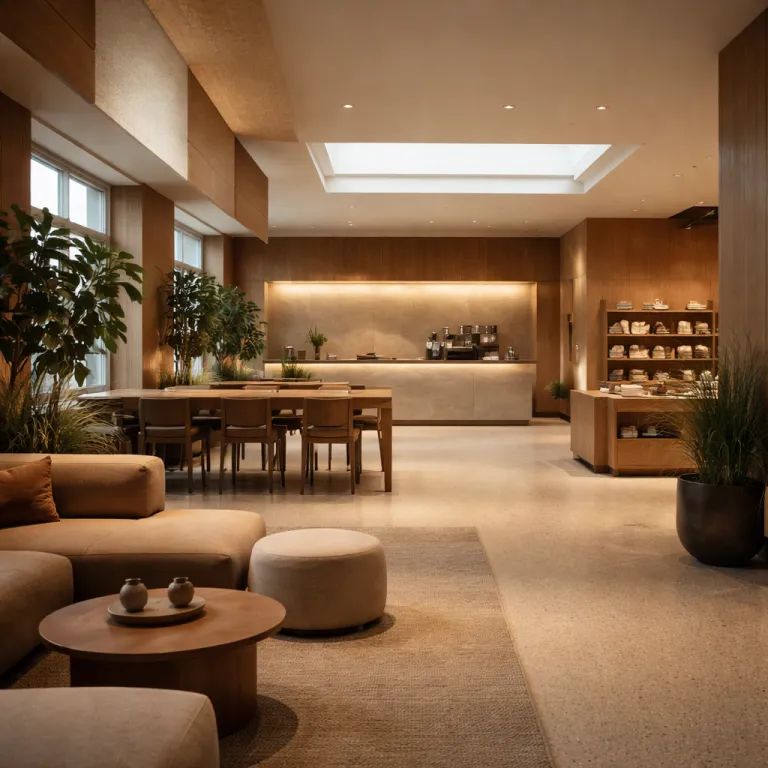
From check in to check out: what killed the classic lobby
The most interesting hotel lobby design trends 2026 are not about prettier sofas. They are about why Canadian luxury hotels from Vancouver to Montréal are quietly dismantling the old lobby and replacing it with something closer to a restaurant, gallery, or members club. For business leisure travelers, this shift changes how you arrive, where you meet people, and how you read a property’s hospitality DNA.
Three forces ended the traditional lobby with a single front desk and a sea of unused armchairs. Technology made the reception ritual optional, economics pushed owners to chase revenue per square metre, and culture turned every lobby design decision into potential social media content. Mobile check in means many guests now walk straight past the reception desk, while apps handle room keys, upgrades, and even late check out requests.
When the desk no longer needs to dominate the space, the ground floor can finally breathe. Hotel designers in Canada are rethinking hotel interior circulation so that the first thing a guest sees is not a queue, but a barista, a sommelier, or a curator. This is where contemporary lobby concepts and hotel lobby design trends 2026 become strategic rather than cosmetic, because the lobby becomes a revenue generating space instead of a transitional void.
Economics are blunt. A static lobby with scattered lobby furniture and low tables might host a few laptop warriors, but a food forward lounge with a strong bar program can turn the same square metres into a serious profit centre. Industry benchmarking from STR and similar data providers consistently shows that activated ground floors with restaurants and bars can generate significantly higher food and beverage revenue per available square metre than traditional lobbies. Owners now ask interior design teams to justify every square metre of hotel lobbies in terms of spend, dwell time, and brand impact. That pressure is reshaping hotel furniture choices, from large format communal tables to flexible seating that can pivot from morning coffee to evening cocktails.
Culture finishes the job. In the Instagram era, modern hotel lobbies must photograph as well as they function, which is why biophilic design, sculptural furniture, and natural light are no longer optional. The most successful hotels in Canada treat the lobby as a stage where guests, locals, and staff all play visible roles. When lobby design leans into this theatre, the space feels alive rather than merely efficient.
Designers are also responding to evolving guest expectations around sustainability and wellness. Biophilic design is not just a trend word; it is a measurable strategy that connects people with nature through materials, planting, and daylight. A widely cited Human Spaces report on biophilic design in the workplace and hospitality sectors, for example, documented a substantial increase in projects incorporating natural elements, a shift now visible in Canadian hotel public areas that prioritise daylight, greenery, and organic textures.
That research focus captures the core of hotel lobby design trends 2026 in Canada, where natural materials, flexible spaces, and smart devices now work together. A modern hotel in Toronto’s financial district might use warm wood, stone, and greenery to soften a high energy reception area, while smart lighting subtly shifts from day to night. For the guest arriving after a long flight, the effect is less about wow factor and more about immediate decompression.
Technology integration goes far beyond mobile keys. Smart devices behind the scenes manage air quality, lighting scenes, and even acoustic zoning, so that one lobby can host quiet work, animated drinks, and discreet meetings simultaneously. When hotel design teams get this balance right, the lobby becomes a genuinely multi use space that serves both guests and locals without feeling chaotic.
The rise of the restaurant lobby: food, beverage, and the new arrival ritual
Walk into W Montréal or the Fairmont The Queen Elizabeth and you understand how radically Canadian hotels are rethinking the arrival experience. Where a traditional hotel lobby and front desk once signalled check in, you now find exhibition spaces, curated art, and a bar that feels like a neighbourhood living room. The reception function still exists, but it has been absorbed into a broader hospitality narrative.
This is the food and beverage colonization of former lobby spaces, and it is one of the defining hotel lobby design trends 2026 in Canada. Ground floors are being carved into restaurants, wine bars, and café counters that blur the line between hotel guests and local residents. For business leisure travelers, this means your first impression of a property is often the aroma of espresso or the clink of glassware, not the sight of a queue at the front desk.
Le Germain hotels have been ahead of this curve, especially in cities like Québec and Calgary. Their ground floors are unapologetically food forward, with hotel furniture layouts that prioritise convivial tables, banquettes, and bar seating over anonymous sofas. The lobby becomes a place where people actually want to linger, whether for a quick laptop session between meetings or a late night drink with colleagues.
Four Seasons properties in Canada are evolving the lobby as destination model in a more polished, resort like way. In Toronto and Whistler, for example, lounges, bars, and restaurants occupy prime street level frontage, while the formal reception desk recedes into a quieter corner. This approach respects the ritual of arrival for guests who still value a clear reception moment, yet it acknowledges that the real energy now lives in the adjacent spaces.
Design trends in these hotels focus on creating seamless transitions between restaurant, bar, and lobby spaces. Large format stone floors, continuous ceiling treatments, and consistent materials palettes allow guests to move from one zone to another without feeling they have left the hotel lobby. At the same time, subtle shifts in lighting, music, and furniture height differentiate a working café area from a more intimate cocktail lounge.
For executives extending a business trip, this shift is mostly positive. You gain high quality dining and social spaces on the ground floor, which makes informal meetings and solo dinners far more pleasant. The trade off is that you may need to look more carefully to locate the reception desk or front desk, especially in design hotel properties where minimalism rules.
Canadian hotel designers are also using biophilic design to soften these restaurant lobbies. Planters, living walls, and generous natural light help balance the intensity of a busy bar or open kitchen, creating micro zones where a guest can retreat with a laptop or a book. When lobby furniture includes both communal tables and more secluded nooks, the same space can host breakfast briefings, afternoon emails, and late night tastings without a reset.
From a social media perspective, these hybrid lobbies are gold. Every corner offers a potential backdrop, from the hotel interior art wall to the sculptural lobby furniture near the bar. For hotels, this organic content functions as free marketing; for guests, it means the spaces you inhabit are designed with both comfort and visual drama in mind.
Art galleries, neighbourhood hubs, and the lobby without a desk
As mobile check in becomes standard, more Canadian hotels are asking a provocative question. What if the lobby had no visible desk at all, and the entire ground floor became a public amenity for the neighbourhood. Several Montréal and Toronto properties now answer this with exhibition spaces where a lobby would traditionally sit, turning arrival into an art first experience.
In this model, staff equipped with tablets replace the static front desk, meeting guests wherever they happen to land. The reception desk becomes more of a service point than a monument, often tucked discreetly beside a staircase or within a concierge library. For travelers used to the old choreography of queuing, presenting a passport, and receiving a key card, the new ritual can feel disorienting at first.
Yet when lobby design is handled with care, the payoff is significant. You step into a space that feels like a gallery, café, or co working lounge rather than a transactional zone, which immediately shifts the emotional tone of arrival. People are not just passing through; they are inhabiting the hotel lobbies as part of the city’s cultural and social fabric.
Biophilic design plays a crucial role in making these public facing lobbies feel welcoming rather than corporate. Natural light is maximised through double height glazing, while materials like wood, stone, and wool soften acoustics and add tactility. In some Canadian properties, you will see indoor trees, water features, or curated plantings that echo the local landscape, from coastal evergreens to prairie grasses.
Flexible furniture is the quiet hero of these hotel lobby design trends 2026. Modular sofas, movable tables, and lightweight chairs allow staff to reconfigure spaces for talks, tastings, or community events without closing the lobby. For guests, this means you might check emails in a calm corner in the morning, then return in the evening to find the same space hosting a jazz trio or art opening.
The best examples in Canada manage to be both neighbourhood anchors and efficient hotels. They integrate local artists, chefs, and makers into the hotel design narrative, so that the lobby feels like an authentic extension of the surrounding streets. When you sit at a long communal table made from reclaimed regional wood, you are not just in a modern hotel; you are in a specific place with a story.
There are missteps too. Some hotels chase design trends without considering how guests actually use spaces, resulting in lobbies that photograph beautifully but lack comfortable seating or clear wayfinding. Others over program the ground floor, leaving business travelers with nowhere quiet to take a call or hold a quick meeting.
For a deeper sense of how Canadian properties balance heritage and innovation in their public spaces, it is worth exploring the heritage hotel renaissance and why old buildings are luxury hospitality’s best bet on mycanadianstay.com. Historic structures often have generous volumes, layered materials, and natural light that lend themselves to expressive lobby design. When these assets are paired with contemporary lobby furniture and technology, the result can feel both timeless and sharply current.
What this means for business leisure travelers in Canada
If you are an executive extending a Toronto or Vancouver trip into a long weekend, the new lobby landscape changes how you should choose a hotel. You are no longer just comparing hotel room categories and loyalty points; you are evaluating ground floor spaces as your temporary office, living room, and dining room. Hotel lobby design trends 2026 matter because they shape every unscheduled moment of your stay.
Start by looking at how a property describes its lobby and reception areas. Does the hotel emphasise a restaurant driven ground floor, an art led arrival, or a classic reception desk with adjacent lounge seating. Each model signals a different hospitality philosophy, and your own working style should guide which one you book.
If you rely on lobby meetings, prioritise hotels that still maintain a clearly defined reception zone plus quieter seating nearby. In Canadian business hubs, some modern hotel properties have gone so far toward the bar and restaurant model that finding a semi private corner at 17.00 becomes impossible. In those cases, you may be better off booking a design hotel with a more layered lobby interior, where co working tables coexist with softer lounge pockets.
Pay attention to materials and acoustics as much as aesthetics. Hard, reflective surfaces and large format stone floors can look spectacular on social media, but they often amplify noise in busy lobbies. If you need to take calls or work for several hours, seek hotels that balance stone and glass with textiles, timber, and biophilic design elements that absorb sound.
Natural light is another non negotiable for many travelers who work from the lobby. Canadian properties that orient their lobby furniture toward windows or internal courtyards tend to feel more humane during long laptop sessions. When you can sit at a well proportioned table with daylight, power outlets, and a view of real greenery, the line between office and retreat blurs in the best possible way.
Finally, consider how the lobby connects to the rest of the hotel interior. A thoughtful vertical journey from lobby to hotel room, using consistent materials and lighting, reinforces a sense of calm and coherence. When hotel design treats the ground floor as a public square and the upper floors as a private sanctuary, guests experience the full spectrum of Canadian hospitality in a single stay.
For luxury travelers using mycanadianstay.com to compare hotels, reading between the lines of lobby descriptions is now essential. Look for mentions of flexible spaces, local partnerships, and technology integration rather than just generic modern design language. Those details reveal whether a property is genuinely aligned with the most meaningful hotel lobby design trends 2026 or simply rearranging furniture.
The traditional lobby may be disappearing, but for the right traveler, that is an opportunity rather than a loss. In Canada’s best hotels, the ground floor has become a stage for gastronomy, culture, and community, not just a corridor between the street and the lifts. Choose wisely, and your next lobby will work as hard for you as any boardroom or restaurant reservation.
Key figures shaping Canadian lobby design
- A Human Spaces biophilic design report, which examined global workplace and hospitality environments, found a marked increase in projects incorporating natural light, planting, and organic materials, a shift reflected in Canadian hotel lobbies that now prioritise these elements.
- Global hotel development data from STR and comparable industry sources indicates that food and beverage revenue per available square metre on activated ground floors can exceed traditional lobby revenue by double digit percentages, which explains why many Canadian hotels are replacing static seating with restaurants and bars.
- Industry surveys from J.D. Power on North American hotel guest satisfaction show that mobile check in usage among upscale and luxury hotel guests has climbed steadily year over year, reducing reliance on a fixed front desk and enabling more flexible reception layouts.
- Post pandemic travel research from Destination Canada highlights that travelers increasingly seek hotels that function as neighbourhood hubs, supporting the Canadian trend toward lobbies that integrate local art, gastronomy, and community events.