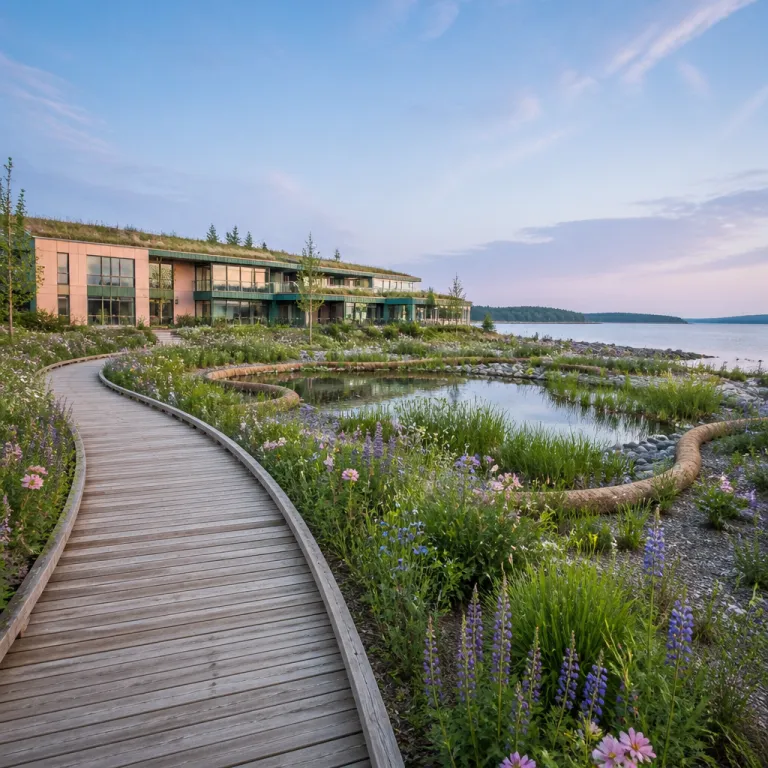
From sustainable to regenerative luxury travel in Canada
Regenerative luxury travel in Canada eco hotels starts where sustainability ends. Instead of simply reducing harm, regenerative tourism asks whether a hotel, lodge or inn leaves land, water and local communities better than before your stay. For solo travelers used to scanning hotel listings, this shift changes how you read every promise about eco friendly practices, conservation projects and community partnerships.
In Canadian tourism, the move from green to sustainable to regenerative travel reflects rising expectations from guests and from Tourism Canada. Green gestures once meant low impact lightbulbs and towel reuse, while sustainable tourism added longer term thinking about energy, waste and local supply chains across properties and hotels. Regenerative hospitality goes further by tying every luxury stay to measurable positive impact on ecosystems, cultural preservation and the economic health of nearby communities.
For a traveler choosing between hotels in Canada, the question becomes very practical. Does this hotel or lodge restore damaged habitat on its land, or only offset emissions elsewhere during your travel ? Does the hotel spa use local botanicals grown through regenerative agriculture, or import products with little benefit to the local community ? And does the inn or island lodge share transparent data about its impact, or rely on vague language about eco values and sustainability commitments.
Siwash Lake Wilderness Resort and the rise of land restoration
British Columbia is where regenerative luxury travel in Canada eco hotels feels most tangible on the ground. At Siwash Lake Wilderness Resort, a remote luxury eco lodge on more than 4 000 hectares of wildland, the owners rebuilt after a major wildfire by centering regenerative tourism rather than simple recovery. Their Wildland Ecology Centre now anchors conservation work that turns the property into a living classroom for guests who care about land, water and wildlife.
Here, regenerative hospitality is not a marketing line but a land management strategy. Trails cross areas of habitat renewal where native grasses return, wetlands are protected and ecological monitoring tracks how each season changes the lodge surroundings. When you stay, guided experiences explain how regenerative agriculture supports both the ranch operations and local communities, and how sustainable building practices keep energy use low impact without compromising comfort or luxury.
The resort’s partnerships with local First Nations communities and environmental organizations show how tourism can fund conservation while respecting cultural preservation. Guests learn that “What is regenerative tourism?” is answered on site by the way horses are grazed, forests are managed and water systems are restored. For travelers comparing eco hotels in Canada with eco luxury in places like Costa Rica, Siwash Lake demonstrates that a Canadian lodge can match the best international models of sustainable tourism while adding a distinctly interior British Columbia sense of place.
For readers interested in how regenerative ideas travel globally, the closed loop wellness concept planned at Richer Health Hotel in Duncan, British Columbia, echoes the circular systems seen at leading eco luxury properties such as the Gaia Hotel in the Costa Rican rainforest, discussed in this guide to eco luxury in Costa Rica. The shared thread is a commitment to long term ecological health rather than short term tourism trends. That is the benchmark you should apply when evaluating any Canadian hotel that claims to be regenerative.
Islands, national parks and the power of place
Regenerative luxury travel in Canada eco hotels becomes especially vivid on islands and near national parks, where land and water meet in fragile balance. On Fogo Island, for example, the now renowned island inn model has shown how a design forward property can anchor regenerative tourism by supporting local communities, craftspeople and fishers. The lesson for solo travelers is clear ; when a hotel is the main employer on an island, its choices shape the long term future of that community.
Across Canada, lodges and inns near a national park face similar responsibilities. A low impact footprint is not enough if tourism pressures strain wildlife corridors, shorelines or freshwater systems that sustain both ecosystems and local communities. Regenerative hospitality in these settings means funding conservation, co designing experiences with the local community and ensuring that every stay contributes to positive impact rather than quiet extraction of value.
Travelers who have stayed at sustainable island lodges in destinations like Panama or Costa Rica will recognize the pattern. The most compelling eco hotels weave conservation, cultural preservation and community wealth into daily operations, from hiring to menus to guided excursions. For a deeper comparison of island models, you can read about sustainable island resorts and eco lodges, then apply those same questions when you evaluate a Canadian island inn or remote lodge.
Indigenous leadership, community wealth and what to look for when booking
Many of the most credible examples of regenerative luxury travel in Canada eco hotels are Indigenous led or deeply Indigenous partnered. These properties treat tourism as a tool for cultural preservation, language revitalization and land stewardship, not just as a revenue stream. When you book, you are not only choosing a hotel or lodge ; you are choosing which version of tourism Canada you want to support.
Indigenous tourism models tend to integrate regenerative hospitality principles by design. Revenue circulates through local communities, elders guide interpretation of land and water, and guest experiences highlight living cultures rather than staged performances. When a hotel spa uses traditional healing plants sourced through respectful protocols, or when an inn commissions art from the local community, your stay becomes part of a long term story of regenerative travel and sustainable tourism.
For solo explorers, the practical question is how to read between the lines of glossy hotel descriptions. Look for clear references to partnerships with local communities, transparent conservation goals and specific regenerative projects on the property. “How do hotels implement land restoration?” is answered convincingly when you see details about habitat renewal, sustainable practices and community partnerships, not just generic eco friendly claims.
As you compare options on a luxury hotel booking platform, pay attention to how each listing describes its impact. Some hotels now share guest facing metrics on restored hectares, wildlife monitoring or funds directed to local community initiatives. Those numbers help you distinguish between sustainable tourism language and true regenerative tourism in practice.
How to verify regenerative claims and book with confidence
For travelers navigating a crowded field of sustainable promises, verification is everything. The question “Why is land restoration important for hotels?” has a straightforward answer ; it enhances biodiversity, supports local communities, and promotes sustainability. The harder part is confirming that a specific hotel, inn or lodge is actually doing the work it describes.
Start by looking for third party certifications that focus on sustainable tourism and regenerative hospitality, not only on basic eco standards. Serious properties often publish impact reports that outline conservation projects, land restoration efforts and long term goals for low impact operations. When a hotel in Canada shares data about restored wetlands, reduced water use and investments in local communities, it gives you concrete reasons to trust its regenerative tourism narrative.
Guest visible initiatives matter just as much as back of house systems. Trails that interpret land and water restoration, on site ecology centres like the one at Siwash Lake, and community led cultural programming all signal that regenerative travel is embedded in the stay. When you see language such as “How do hotels implement land restoration? Through habitat renewal, sustainable practices, and community partnerships”, you are reading a concise summary of what your booking should support.
On mycanadianstay.com, we apply these criteria when curating luxury properties that claim regenerative credentials. Our coverage of how resort auctions are reshaping luxury hotel booking in Canada shows how market forces can reward genuinely regenerative properties with higher rates and more loyal guests. As a solo traveler, your choice of hotel is a vote for the kind of tourism Canada will prioritize in the years ahead.
FAQ: regenerative luxury hotels and land restoration in Canada
What is regenerative tourism in the context of Canadian luxury hotels ?
Regenerative tourism in Canada refers to travel experiences where hotels, inns and lodges actively restore ecosystems and strengthen local communities rather than simply minimizing harm. Properties invest in habitat restoration, conservation projects and cultural preservation that leave places better than before guests arrived. For luxury travelers, this means a stay that combines comfort with measurable positive impact on land, water and people.
How do hotels implement land restoration on their properties ?
Hotels implement land restoration by identifying degraded areas on their land and designing long term projects to heal them. Typical actions include replanting native vegetation, protecting wetlands, improving soil health through regenerative agriculture and redesigning infrastructure to reduce erosion and water pollution. Many Canadian properties also partner with local communities and environmental organizations to guide these efforts and monitor ecological results.
Why is land restoration important for hotels in Canada ?
Land restoration is crucial because many Canadian hotels operate in sensitive ecosystems, from coastal islands to forests near national parks. Healthy landscapes support wildlife, protect water sources and enhance the guest experience with richer biodiversity and more resilient scenery. For local communities, restoration projects can create jobs, sustain traditional practices and ensure that tourism remains viable over the long term.
How can I tell if a hotel’s regenerative claims are credible ?
Credible regenerative claims usually come with specifics rather than broad eco friendly language. Look for details about hectares restored, species monitored, partnerships with Indigenous or local communities and transparent reporting on energy, water and waste. Independent certifications focused on sustainable tourism and regenerative hospitality add another layer of assurance that a property’s impact matches its marketing.
Do regenerative luxury hotels cost more, and are they worth it for solo travelers ?
Regenerative luxury hotels often command higher rates because they invest heavily in land restoration, community partnerships and low impact infrastructure. For solo travelers, the value lies in knowing that your stay funds conservation, cultural preservation and local economic resilience rather than only private profit. Many guests also find that the depth of experience, from guided ecology walks to community led storytelling, makes these properties feel richer and more meaningful than conventional luxury stays.