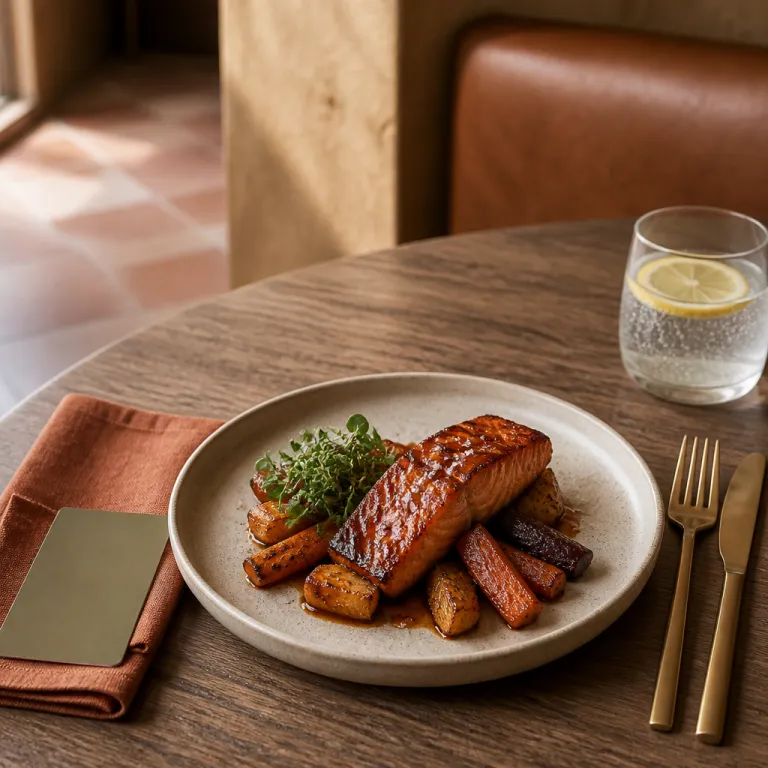
Hotel dining Canada trend 2026: when the restaurant leads the reservation
Hotel dining in Canada has quietly become the lead act, not the side show. A new wave of hotel restaurants is rewriting dining trends, turning lobbies and rooftop spaces into destinations that rival the best restaurants in any Canadian city. For luxury travelers planning a stay, the hotel dining Canada trend 2026 means the restaurant can now be as decisive as the suite category or the spa.
Across Canada, OpenTable data shows hotel dining up 7 percent year over year, while visits from local diners who are not staying as guests have surged 13 percent in the same period. That shift explains why 90 percent of Canadians have eaten at a hotel restaurant without booking a room, using dining apps, hotel websites and review platforms to secure tables in hotels restaurants that once felt reserved for in house guests. For operators, this is not a side business ; it is a core hospitality strategy that is reshaping how canadian foodservice teams design menus, staff service and market their properties.
The most visible trends shaping this hotel dining Canada trend 2026 are experiential concepts and contemporary Asian flavours, with experiential dining experiences up 76 percent year over year and contemporary Asian cuisine up 71 percent year to date. These food trends are especially strong in north America’s gateway cities, where hotels leverage tasting menus, chef’s counters and high quality wine pairings to attract both travelers and locals. At Café Boulud at Four Seasons Toronto, Marcus at Four Seasons Montréal, Hawksworth at Rosewood Hotel Georgia in Vancouver and Wild Blue Restaurant + Bar in Whistler, the dining experience now anchors the property’s identity as much as the rooms inventory.
From lobby amenity to standalone destination for local diners
The most important shift behind the hotel dining Canada trend 2026 is psychological ; Canadians no longer see a hotel restaurant as a backup plan. They treat these restaurants as standalone destinations, choosing them for anniversaries, business dinners, group dining and even casual happy hour meetups. That is why 43 percent of travelers now choose destinations based on food and restaurant scenes, and 28 percent book hotels specifically for their restaurant offerings, according to recent OpenTable data.
For luxury travelers using a premium booking platform, this means evaluating hotels restaurants with the same scrutiny you would apply to the best restaurants in town. Look at how the restaurant handles local sourcing, whether the menu reflects regional food trends and how the service team manages both hotel guests and outside diners at peak times. When a property’s restaurant appears in rankings such as Restaurants Canada awards or OpenTable’s top lists, it signals that operators are investing in high quality dining experiences rather than treating the venue as a captive outlet.
Nationwide, canadian foodservice leaders report that 61 percent of Canadians believe hotel restaurants have improved in recent years, a perception backed by rising check averages and fuller reservation books. Signature hotel restaurants like the Post Hotel Dining Room in Lake Louise now compete directly with independent fine dining rooms, offering elaborate tasting menus, deep cellars and polished service that appeal to both overnight guests and locals. This evolution aligns with the broader revenue boom in the sector, where the strong performance of hotel dining is one of the quiet engines behind record hotel revenue in Canada.
How luxury travelers should book around Canada’s new hotel dining reality
For business leisure travelers extending a trip in Canada, the hotel dining Canada trend 2026 changes how you should plan your stay. Start by treating the restaurant as a primary filter when choosing hotels, especially in cities like Toronto, Vancouver, Montréal and Whistler where hotel restaurants now define neighbourhood dining trends. Ask yourself whether you would book that restaurant even if you were not staying overnight ; if the answer is yes, you are likely looking at a property where hospitality standards run high across the board.
Practical planning matters because these restaurants now attract heavy local demand, especially around occasions such as Mother Day brunch, festive tasting menus or summer patio season. You will often need to secure reservations on OpenTable weeks in advance, particularly for fine dining rooms with limited seating or for prime happy hour slots that appeal to both hotel guests and office crowds. The same applies to group dining ; if you are hosting clients or a team dinner, confirm private room options, minimum spends and any privacy policy details that might affect corporate hospitality.
Menu strategy is another lens for reading the hotel dining Canada trend 2026, and it can help you choose between otherwise similar properties. Many canadian operators now design menus that balance comfort food, seasonal soft serve desserts and regionally focused canadian foodservice signatures with more ambitious tasting menus aimed at serious diners. When you see thoughtful late night offerings, strong non alcoholic pairings and flexible options for solo travelers at the bar, you are usually looking at a hotel where the overall dining experience has been considered as carefully as the room product, much like the attention to heritage architecture highlighted in Canada’s heritage luxury hotel renaissance or the booking strategies outlined in guides to the smartest months for Canadian luxury hotel reservations.
What the data and guest behaviour reveal about future hotel dining experiences
The rise of hotel dining in Canada is not anecdotal ; it is backed by clear behavioural shifts and measurable data. According to recent reporting, “Canadians dining at hotel restaurants without booking rooms” now stands at 90 percent, while “Canadians believing hotel restaurants improved” reaches 61 percent, illustrating how quickly perceptions have changed. These figures confirm what operators across north America are seeing on the ground, as locals treat hotel restaurants as part of their regular dining rotation rather than as special occasion venues only.
For guests, this means that the line between traveler and local has blurred inside hotel restaurants, creating richer, more dynamic dining experiences. You might find yourself at the bar next to a Whistler ski instructor on a quick après soft serve break, or sharing a chef’s counter with Montréal executives who have made the hotel their weekly happy hour spot. This mix of diners pushes hotels to refine service, from pacing tasting menus for business travelers on tight schedules to offering flexible group dining formats that work for both corporate and family celebrations.
From a market analysis perspective, the hotel dining Canada trend 2026 will continue to influence how canadian operators allocate capital and talent. Expect more investment in signature restaurants, more collaboration with independent chefs and more emphasis on food trends that resonate with both international guests and local communities, from plant forward menus to elevated comfort food. For travelers using platforms like mycanadianstay.com, the smartest move now is to read a hotel’s dining experience as a leading indicator of overall hospitality quality, not an optional extra tucked behind the lobby.