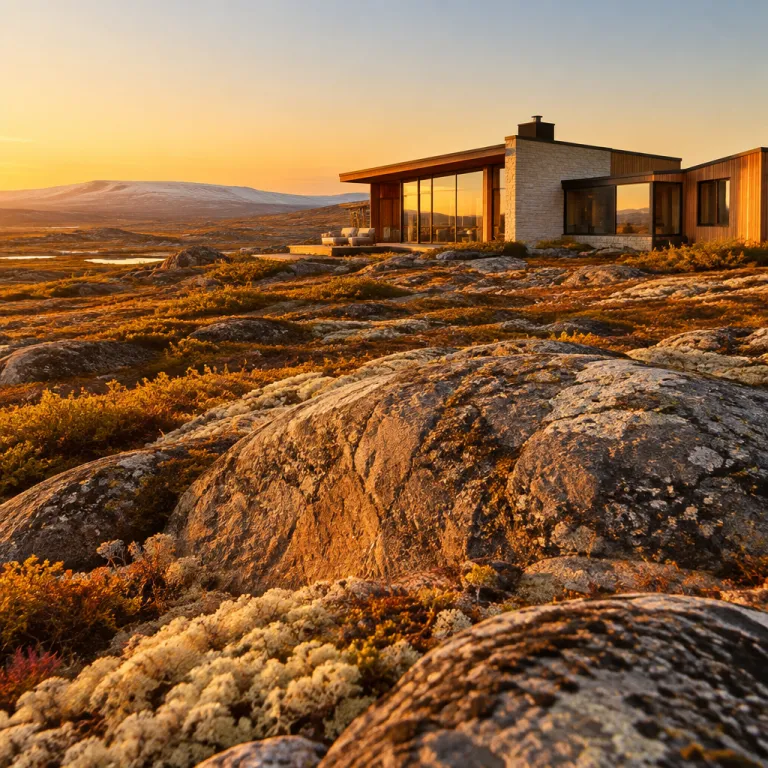
Luxury lodges in northern Canada, from Yukon skies to Churchill shores
High-end wilderness lodges in northern Canada — from the Arctic tundra to the Yukon and the shores near Churchill, Manitoba — form a small, rarefied circuit for travelers who want wild landscapes without giving up comfort. These remote retreats sit far beyond the last highway, where the boreal forest thins and the tundra meets the sea. When you plan a journey around northern luxury lodges in places like the Yukon and Churchill, you are choosing remoteness, wildlife and sky shows over marble lobbies and city lights.
Across northern Canada, only a limited number of upscale lodge properties operate, and many cap capacity between 10 and 20 guests. That scale matters, because each stay feels more like joining an expedition with expert guides than checking into a conventional hotel in southern Canada. The tourism infrastructure in these northern regions is expanding carefully, with fly-in access, eco-conscious facilities and strong partnerships with local communities, Indigenous organizations and conservation groups such as Polar Bears International and regional wildlife agencies, as highlighted in guidance from Travel Manitoba and Travel Yukon.
Two names define the Churchill, Manitoba region for travelers who care about wildlife and comfort in equal measure. Seal River Heritage Lodge and Nanuk Polar Bear Lodge, both operated by Churchill Wild, sit near the western shore of Hudson Bay in prime polar bear and beluga whale territory, and both operate as all-inclusive lodges with guided bear viewing and aurora watching built into the stay. These Churchill-area polar bear lodges are reached by charter flights from Winnipeg–Churchill routes, and your time in this northern Manitoba wilderness is structured around tides, light and wildlife movements rather than city schedules, in line with seasonal advice from regional tourism boards.
Farther west, the Yukon offers a different kind of northern adventure, with lodges such as Northern Lights Resort & Spa and Boréale Ranch focusing on aurora borealis, wellness and soft adventure. Here the emphasis shifts from polar bears and Hudson Bay ice to mountain silhouettes, boreal forest trails and long evenings in glass-fronted chalets watching the northern lights. Whether you choose Churchill, Manitoba or the Yukon, travel experts generally agree that the best time to visit depends on whether you prioritize winter aurora (roughly late August to April, as commonly cited by operators) or summer wildlife, belugas and midnight sun (June to early August).
Churchill, Manitoba: polar bear frontier with a luxury edge
Churchill, Manitoba is the name that comes up first when travelers ask where in Canada they can see polar bears in their natural habitat. The town sits on the southwest corner of Hudson Bay, where sea ice forms early and polar bears gather in significant numbers each autumn. Around this small northern community, a handful of remote lodges have redefined what polar bear and wildlife travel can feel like for guests who value comfort, safety and expert guiding.
Seal River Heritage Lodge and Nanuk Polar Bear Lodge are the best-known Churchill polar properties, both operated with a strong conservation focus and very limited guest numbers. Each lodge offers guided polar bear viewing on foot, using experienced guides who understand bear behavior and keep respectful distances while still delivering close, unforgettable encounters. These stays are not about ticking off polar bears and moving on quickly; they are about spending time in the bears’ natural habitat, watching them roam the tidal flats and coastal ridges of northern Manitoba during the prime viewing season from roughly early October to mid-November, as outlined in Churchill Wild’s own trip descriptions.
In summer, the same Hudson Bay coastline near Churchill transforms into a different wildlife stage. From about mid-July to late August, thousands of beluga whales move into the estuaries, and whale watching by boat or even kayak becomes a highlight of any trip, while bears still patrol the shorelines. Guests often combine beluga whale watching, birdlife and tundra wildlife with evenings of early-season aurora viewing when the northern lights begin to return to the sky in late August and September, a pattern echoed in Travel Manitoba’s seasonal overviews.
Reaching these Churchill polar lodges requires planning, because access is only by air from Winnipeg–Churchill flights and then smaller charter aircraft. That logistical complexity is one reason nightly rates often range from about 1,000 to 1,800 USD per person, reflecting not luxury inflation but the cost of fuel, food, guides and safety in such a remote bay environment, as noted in many lodge rate sheets. For travelers used to coastal luxury elsewhere in Canada, it helps to read about other frontier-style stays, such as the coastal properties highlighted in this guide to Canada’s luxury hospitality frontier on the shoreline, before deciding which style of wilderness lodge best matches their expectations.
Yukon and Arctic Canada: aurora, tundra and wellness in the wild
Where Churchill focuses on polar bears and Hudson Bay tides, the Yukon and Arctic Canada lean into sky, space and silence. Around Whitehorse and into the wider Yukon, northern Canada luxury lodges such as Northern Lights Resort & Spa and Boréale Ranch specialise in aurora borealis and soft adventure. Couples come for long winter nights under the northern lights from roughly late August through March, then return in summer for hiking, cycling and time on the water under the midnight sun, following seasonal patterns described by Travel Yukon and lodge operators.
Northern Lights Resort & Spa pairs glass-fronted chalets with on-site wellness facilities, so guests can move from outdoor aurora viewing to saunas and massages without leaving the property. Boréale Ranch, set against rolling hills and boreal forest, offers guided hiking, cycling and winter fat biking, with evenings around the fire and a strong focus on local food and Yukon producers. In both singular lodge and multi-lodge stays, the emphasis is on intimacy, with small guest numbers and hosts who remember your preferences from one visit to the next; as one repeat guest put it in a public review, “By the second night they knew how I took my coffee and which nights I wanted to stay up late for the lights.”
Farther north, Arctic Haven Wilderness Lodge sits on the tundra of Arctic Canada with a maximum of around 16 guests, creating an almost private camp atmosphere. Here the wildlife shifts from polar bears to caribou, wolves and migratory birds, while the northern lights often arc across the sky in late season from about September to early October. This is where the idea of remote luxury lodges in Canada’s Arctic takes on its most extreme meaning, because you are days of travel away from southern Canada and deep into a landscape shaped by ice, wind and long horizons, as emphasized in the lodge’s own expedition-style trip notes.
Planning a trip that combines Yukon aurora and Arctic tundra with time in Churchill, Manitoba requires careful sequencing and realistic expectations about flight connections. Many travelers work with travel experts or specialist agencies that can handle complex travel arrangements, charter flights and seasonal timing for both aurora and wildlife. For inspiration on how Canadian properties elsewhere weave landscape, gastronomy and design into a coherent stay, it is worth reading about wine-focused stays in Niagara’s hotel scene, such as the experiences described in this piece on how Niagara’s wine hotels created their own category, then applying that lens to northern lodge choices.
What you really pay for: remoteness, logistics and genuine wilderness
Sticker shock is common when travelers first see nightly rates for high-end lodges in northern Canada, especially when prices start around 1,000 USD per person and can climb higher for peak polar bear or aurora seasons. The cost reflects more than plush bedding and good wine; it reflects charter flights, fuel flown in by air, guide salaries and the infrastructure required to operate safely in northern Manitoba, the Yukon and Arctic Canada. When a lodge limits capacity to 10 or 20 guests, every seat on a plane and every staff member matters to the bottom line.
Most of these northern lodges operate on an all-inclusive basis, bundling accommodation, meals, guided excursions and often gear into a single rate. That structure simplifies travel planning, because once you reach the gateway city, usually Winnipeg for Churchill or Whitehorse for the Yukon, your major costs are largely fixed. It also allows lodge operators to invest in experienced guides, high-quality safety equipment and low-impact infrastructure that respects the surrounding wildlife and natural habitat, in line with guidelines from provincial tourism boards and Parks Canada where applicable, and echoed in many lodge sustainability statements.
Logistics shape your daily rhythm as much as they shape the price. In Churchill, tides on Hudson Bay and polar bear movements dictate when you head out for bear viewing or beluga whale excursions, while in the Yukon, darkness and clear skies determine the best time for aurora viewing. In Arctic Canada, weather windows can influence when you travel by boat or on foot across the tundra, and winter conditions may shift quickly from calm to challenging, which is why many itineraries build in buffer days for delays and recommend flexible return flights.
For couples used to urban luxury hotels in Canada or the United States, it helps to reframe expectations before booking. These are not properties where you wander out to a different restaurant each night; instead, you share long tables, trade stories with fellow guests and lean on travel experts who know the region intimately. If you want a sense of how thoughtful service and design translate across borders, this analysis of how a San Diego luxury hotel elevates stays for Canadian travelers offers a useful comparison point, even though the setting is far from the Arctic.
Designing your northern itinerary: seasons, activities and booking strategy
Choosing the best time to visit northern Canada’s luxury wilderness lodges depends on what you most want to see and how you like to travel. Autumn around Churchill, roughly from early October to mid-November, is prime for polar bears along Hudson Bay, while deep winter in the Yukon and northern Manitoba, from about December to March, is ideal for aurora borealis and crisp, snow-covered landscapes. Summer brings beluga whales, long days and softer temperatures from June through August, but fewer chances for intense northern lights displays, a trade-off frequently noted in regional tourism board advice.
Activity-wise, each region offers a different balance of wildlife and adventure. In Churchill, guided polar bear viewing, beluga whale watching and tundra vehicle excursions dominate, with some lodges adding dog sledding experiences in winter and early spring. In the Yukon and Arctic Canada, you are more likely to split your time between hiking, paddling, gentle adventure sports and long evenings of aurora viewing from warm, glass-walled spaces, with some properties adding photography workshops or wellness programming tailored to cold-weather recovery.
Because many of these lodges operate only in specific seasons, with limited beds and fixed charter schedules, booking well in advance is essential. Travel Manitoba, Travel Yukon and other regional tourism boards often publish guidance on seasonal highlights, but the most reliable advice usually comes from specialist travel experts who know when the northern lights are most active or when polar bears tend to congregate near the bay. As one operator explains in their guest information, “Activities include fishing, hiking, wildlife viewing, and aurora watching,” with exact offerings adjusted to conditions.
When comparing options, look closely at group size, guide-to-guest ratios and how much time you actually spend outside versus in vehicles or common rooms. Some travelers prefer a single lodge stay focused on one region, while others will combine a Churchill polar bear trip with a Yukon aurora lodge or even a stay at Blachford Lake Lodge in the Northwest Territories or Arctic Lodges in Saskatchewan’s boreal forest. Whatever you choose, remember that your time in these northern landscapes will likely reset your sense of scale, silence and what luxury can mean when the nearest road is hundreds of kilometres away.
FAQ
How do I reach luxury lodges in northern Canada’s Arctic and sub Arctic regions ?
Most luxury lodges in northern Canada’s Arctic and sub-Arctic regions are fly-in only, reached by scheduled flights to gateway cities and then charter aircraft. For Churchill, Manitoba, you typically fly to Winnipeg and then connect to Churchill before transferring by smaller plane to a remote lodge. Yukon and Arctic Canada lodges often use Whitehorse or Yellowknife as gateways, with lodge staff coordinating onward travel and advising on baggage limits, as outlined in many pre-departure documents.
What activities can I expect at these northern luxury lodges ?
Activities vary by region but usually combine wildlife and soft adventure. In Churchill, polar bear viewing, beluga whale watching and tundra excursions are central, while some seasons add dog sledding and winter photography. In the Yukon and Arctic Canada, you can expect aurora viewing, hiking, paddling, wildlife watching and, at some properties, wellness experiences such as saunas, yoga sessions and spa treatments tailored to cold-weather recovery.
When is the best time to see the northern lights and polar bears ?
The best time to visit for polar bears near Churchill, Manitoba is typically late autumn, from about early October to mid-November, when bears gather along Hudson Bay waiting for sea ice. For aurora borealis in the Yukon, northern Manitoba and Arctic Canada, the clearest, darkest nights usually fall from late August through April, with peak viewing often cited as roughly September to March in tourism board and lodge guidance. Summer brings long daylight hours and softer conditions, but fewer opportunities for strong northern lights displays.
Why are luxury lodges in northern Canada so expensive ?
High nightly rates reflect the cost of operating in remote northern environments rather than simple luxury markups. Lodges must fly in food, fuel and equipment, maintain safety infrastructure and employ experienced guides, all while limiting guest numbers to protect wildlife and natural habitat. All-inclusive pricing also bundles activities, meals and charter flights, which increases the headline rate but often represents fair value for the overall trip when compared with pricing each element separately, a point frequently made in lodge FAQs.
How far in advance should I book a northern Canada luxury lodge ?
Because many lodges in northern Manitoba, the Yukon and Arctic Canada have short seasons and small capacities, booking 12 to 18 months ahead is common for peak periods. Polar bear and prime aurora seasons often sell out first, especially for lodges near Churchill and popular Yukon aurora properties. Working early with travel experts or specialist agencies gives you the best chance of securing preferred dates and room types, and may also help you align flights, charters and pre- or post-stays in gateway cities.