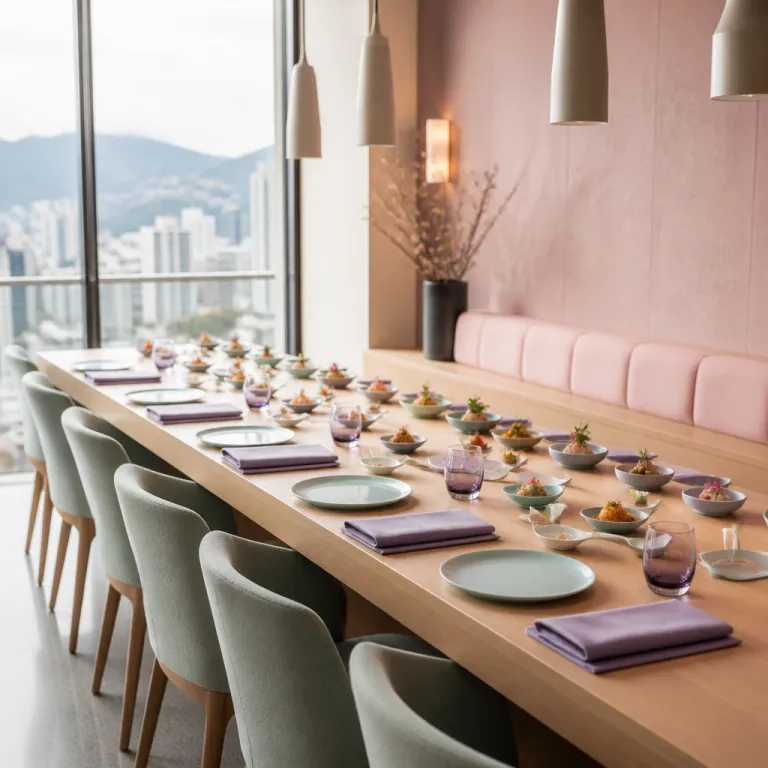
Why exclusive chef tables are reshaping Canadian hotel dining
Exclusive chef table dining in Canadian hotels has shifted from side attraction to primary reason to book. These ultra intimate rooms turn the traditional hotel dining room into a stage where every table feels like the best seat in the house. For business travelers extending a stay, this kind of dining experience can justify choosing one property over an entire united field of competitors, especially for guests arriving from the United States who want to discover something distinctly Canadian.
At the center of this movement sits EIGHT at Alt Hotel Calgary East Village, an eight seat counter where Chef Darren MacLean serves a roughly twenty course menu built around hyper seasonal food from across Canada. The restaurant occupies a compact space just off the lobby, yet the view into the open kitchen feels larger than any skyline because the chef table is the show, not the décor. As MacLean has noted in interviews with Canadian media, “when guests sit this close, every movement and every ingredient has to earn its place.” What is EIGHT's dining concept? An intimate eight-seat, 20-course experience led by Chef Darren MacLean that treats the counter like a tiny house of fine cuisine.
For guests arriving from the United States, this format feels closer to a private house dinner than a conventional hotel restaurant. You log off from meetings, step a few metres from your room, and enter a dining room where the chef knows every name and every allergy. That intimacy, paired with fine Canadian cuisine and a focused wine list, is what defines the new wave of chef-driven hotel dining experiences Canadian properties are embracing and what many travelers now actively search for when they plan a trip to Canada.
Eight seats, twenty courses: inside Canada’s most talked about chef counter
EIGHT’s eight seat counter has become a reference point for hotel-based tasting menus that Canadian hoteliers now study closely. Located at 631 Confluence Way SE in Calgary’s East Village, it operates inside the Alt Hotel yet maintains the creative independence of a standalone restaurant. That blurred line between hotel and independent house of cuisine is exactly why business travelers can host clients here without feeling like they are “stuck” in a generic hotel dining room.
Guests sit at a single curved table facing the kitchen, where Chef Darren MacLean and his équipe guide a twenty course dining experience that moves from prairie grains to coastal seafood and northern game. The menu changes frequently, but the structure remains constant; a progression that feels almost like a narrative log of Canada’s landscapes told through food, wine and precise technique. Where is EIGHT located? Inside Alt Hotel Calgary East Village, Calgary, Alberta, with reservations typically released in advance for set seatings a few nights per week and a price point that reflects its position among Canada’s 100 Best Restaurants.
This is not the only example of hotel-adjacent excellence in Canada, as Mon Lapin in Montréal and Tanière3 in Québec City show how hotel neighborhoods can anchor serious fine dining. One Calgary regular describes the experience as “discovering a tiny island of calm in the middle of a work week,” a reminder that the right chef table can turn a business trip into a story worth retelling. For readers who want to learn how chef driven hotels are changing booking decisions, the guide on when the kitchen becomes the reason to book offers a broader view of this shift. How to reserve a seat at EIGHT? Reservations can be made through their official website or by contacting the Alt Hotel Calgary East Village directly.
The business case: fewer tables, higher stakes, deeper stories
Ultra intimate formats inside Canadian hotels thrive because they align guest expectations with a clear business model. With only eight to twenty seats, each chef table can command a higher average spend, longer dining time and more engaged dining experience than a large à la carte dining room. For hotel owners, this means fewer tables but stronger demand curves, especially from United States executives seeking memorable client entertainment and a chance to compare culinary cultures.
At EIGHT, the fixed tasting menu and curated wine list simplify operations while elevating perceived value. The team can focus on innovative techniques, precise service and storytelling around Canadian ingredients instead of managing a sprawling menu that tries to please everyone. That focus also translates into social media impact, as guests often log their evening course by course, creating organic marketing that many hotel restaurants could never buy outright.
Other properties are adapting the model in their own way, from mountain lodges that pair chef table counters with a view of alpine peaks to coastal resorts that stage fine cuisine on a terrace facing the ocean. For a deeper look at how outdoor formats intersect with luxury gastronomy, see the analysis of refined outdoor dining at Canadian hotels. Across Canada, the pattern is clear; fewer seats, more story, and a willingness to treat food as art rather than mere amenity.
What business leisure travelers really want from chef table experiences
Executives extending a work trip into leisure are not just chasing another fine dining reservation. They want a chef table where they can learn something about Canada, whether through a French inspired sauce built on prairie butter or a course that references Indigenous food traditions. In this context, intimate hotel chef counters become a way to compress cultural immersion into a single evening and to discover regional food narratives without leaving the property.
Client entertainment plays a major role, because an ultra intimate dining room naturally encourages conversation and connection. When you share a twenty course dining experience at a single table, the menu becomes a shared log of the meeting, each plate a prompt for discussion that feels more human than another slide deck. For many guests arriving from the United States, this is also a chance to compare culinary cultures and find common ground over a carefully chosen wine list.
There is also a personal reward element, especially for frequent travelers who spend more nights in hotels than at home. Booking a chef table in a quiet house like setting, then stepping out for a late night walk along a river or through a historic island district, can reset the nervous system. For travelers who value silence and space as much as cuisine, our feature on silence as a service in Canadian hotels pairs perfectly with this new era of immersive dining.
Where this trend goes next across Canadian hotels
The recognition of Canadian restaurants on major lists has already shifted how hotel owners think about food. When a tiny counter like EIGHT earns top rankings in national and North American guides, it proves that an intimate chef table can elevate an entire property’s reputation far beyond its room count. That halo effect is pushing more luxury hotels in Canada to invest in innovative dining rooms rather than generic all day venues.
Expect to see more chef table formats embedded in unexpected spaces, from reimagined lobby corners to rooftop greenhouses and lakeside pavilions. Some properties will lean into French influenced cuisine with tasting menus that trace the St. Lawrence, while others will focus on coastal food or boreal ingredients from island communities. Across both urban centers and remote retreats, hotel chef counters will likely pair shorter menus for weeknights with extended tasting journeys for weekend guests.
For travelers, the practical takeaway is simple; when you plan a trip, do not just find a room, find a house of cuisine that treats its dining room as seriously as its suites. Look for hotels that publish a thoughtful wine list, explain their sourcing, and frame the chef table as a narrative experience rather than a premium upsell. As more United States travelers learn about these options, the line between destination restaurant and destination hotel will continue to blur in the most delicious way.
FAQ: exclusive chef table dining in Canadian hotels
How far in advance should I reserve an ultra intimate chef table?
For leading chef tables such as EIGHT in Calgary, you should reserve several weeks ahead, especially if you are coordinating with business meetings or conferences. Limited seating means that even midweek services can fill quickly when United States and domestic travelers converge on the same dates. Always note dietary needs at the time of booking so the chef can plan the menu accordingly.
Are chef table menus suitable for business client entertainment?
Yes, chef counter tasting menus in Canadian hotels are particularly strong for client entertainment because the format encourages conversation and shared experience. A structured tasting menu and curated wine list remove decision fatigue, allowing you to focus on relationships rather than logistics. The intimate dining room setting also feels more private than a large restaurant, which many executives appreciate.
What makes EIGHT at Alt Hotel Calgary East Village unique?
EIGHT combines an eight seat counter, a roughly twenty course menu and a strong focus on Canadian ingredients under Chef Darren MacLean. It operates within a design forward hotel yet maintains the creative independence of a standalone restaurant, which appeals to both hotel guests and local diners. Its recognition on major North American lists, including appearances in Canada’s 100 Best Restaurants rankings, has positioned it as a benchmark for ultra intimate hotel dining across Canada and a model that other chef table concepts study closely.
How do chef table experiences differ from traditional hotel restaurants?
Chef table formats usually offer a single tasting menu, a smaller number of seats and direct interaction with the kitchen team. Traditional hotel restaurants often prioritize flexibility and volume, with larger menus and more tables to serve. In contrast, Canadian hotel chef counters focus on storytelling, ingredient provenance and a carefully paced dining experience that can last several hours.
Can I enjoy these experiences if I am not staying at the hotel?
Many chef tables inside Canadian hotels welcome external guests, though reservation policies vary by property. Some venues hold a portion of seats for in house guests, while others operate almost like independent restaurants with separate booking systems. If you are not staying overnight, plan your transport and timing carefully so you can fully enjoy the extended dining experience without rushing.