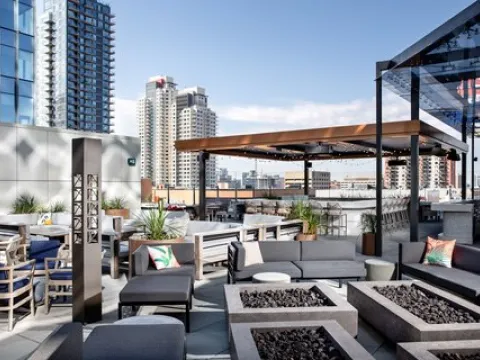
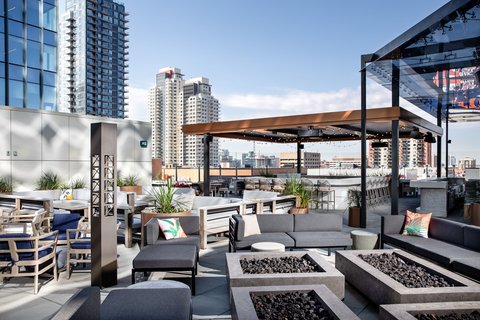
Guide to the best hotels in downtown Edmonton, including river valley and ICE District locations, facilities, and FAQs to help you choose where to stay.
Why downtown Edmonton works for a hotel stay
Step out of your hotel lobby in downtown Edmonton and you are on Jasper Avenue within minutes, with the North Saskatchewan River valley just a short walk south. This is the city’s true urban core, not a generic business district, and it matters when you are choosing where to book. You stay here for access: theatres on 102 Avenue, the ICE District arena complex on 104 Avenue, and the river trails that feel almost rural once you drop below the bluff.
For most travelers, downtown is the most practical base in Alberta’s capital. Business guests reach offices and the main conference centre on foot, while leisure visitors can move easily between galleries, restaurants, and the riverfront. The trade-off is simple. You gain atmosphere and walkability, but you give up the quiet, suburban feel of hotels along Gateway Boulevard or near the airport.
Expect a dense cluster of mid-range to premium hotels, a few with a more historic character, others with contemporary glass-and-steel façades. Many properties here offer an indoor pool or compact fitness center, and some add a small spa or hot tub. If you want a classic Edmonton hotel experience with a sense of place, this is where you will find it.
Types of hotels you will find in Edmonton downtown
Glass towers dominate the skyline, but the hotel mix in downtown Edmonton is more nuanced than it first appears. Large branded properties such as JW Marriott Edmonton ICE District, Delta Hotels by Marriott Edmonton Centre Suites, and Sandman Signature Edmonton Downtown anchor the main intersections, often with extensive meeting space and a full conference centre layout. These are the obvious choice if you are attending a conference, a corporate event, or a major concert in the ICE District and want everything under one roof.
On the side streets between Jasper Avenue and 104 Avenue, you will find smaller hotels and extended-stay suites. These often feature kitchenettes, separate living areas, and more generous room layouts, which suit longer holidays or family trips where a standard bed and desk are not enough. Look for suites-style descriptions at properties such as Coast Edmonton Plaza Hotel by APA or Staybridge Suites West Edmonton (for longer stays slightly outside the core) if you value that extra space.
Chain-affiliated properties using names such as Holiday Inn Express Edmonton Downtown, Courtyard by Marriott Edmonton Downtown, or Coast Edmonton Plaza tend to focus on efficient stays rather than grand gestures. You may see predictable layouts, an indoor pool, and straightforward services. At the top end of the spectrum, a handful of landmark addresses near the riverbank, including Fairmont Hotel Macdonald and the Westin Edmonton, offer more character, with higher ceilings, richer materials, and a stronger sense of Edmonton’s history.
What to expect from rooms, beds and facilities
Room sizes in downtown Edmonton hotels are generally generous by big-city standards, especially in properties built from the 1970s onward. Standard rooms usually offer a king or two queen beds, a work desk, and a seating area; suites add a separate living room and sometimes a small dining table. If you are particular about your bed type or need a sofa bed for children, verify these details carefully before you book.
Bathrooms vary more. In older buildings, you may encounter compact layouts with a combined shower and tub, while newer towers lean toward walk-in showers and brighter lighting. If a soaking tub is important for you after a winter day on the river trails, look specifically for upgraded categories or suites that mention a larger tub in the room description.
Facilities tend to follow a familiar pattern. Many downtown Edmonton hotels include an indoor pool or even a full-length swimming pool, sometimes paired with a hot tub and a small fitness center. A few properties add a modest spa or relaxation area, but this is not a spa-resort district. You come here for practical comfort, reliable amenities, and easy access to the city rather than for a secluded wellness retreat.
Location nuances: river valley, ICE District and business core
Two blocks can change your stay. A hotel perched near the top of the river valley, close to 100 Street, offers quick access to the multi-kilometre trail network that runs along the North Saskatchewan. Morning runners and cyclists will appreciate being able to descend into the greenery within five minutes, then return to the urban grid for breakfast. This area also places you near one of the city’s grand historic properties, Fairmont Hotel Macdonald, often referenced when people mention a classic Edmonton hotel with views of the valley.
North of Jasper Avenue, around 103 Street and 104 Avenue, the ICE District shifts the mood. Here, hotels Edmonton downtown lean toward event-driven stays: hockey games, concerts, large conferences. JW Marriott Edmonton ICE District, for example, sits roughly a 2–4 minute walk from Rogers Place according to Google Maps, while Delta Hotels by Marriott Edmonton Centre Suites is about 5–7 minutes on foot through Edmonton City Centre. If your priority is to walk from your room to the arena in under ten minutes, this is the zone to target. Expect livelier evenings, especially on game nights, and a denser cluster of restaurants and bars.
Farther east, closer to government and office buildings, the atmosphere becomes more weekday-focused. Properties in this business core, such as the Westin Edmonton and Courtyard by Marriott Edmonton Downtown, appeal to guests who value proximity to offices, the main conference centre, and transit connections more than nightlife. When comparing options, decide whether you want river valley access, arena proximity, or a quieter business setting; downtown Edmonton offers all three, but rarely in the same block.
How to compare and choose: services, policies and traveler profiles
Choosing among downtown Edmonton hotels is less about star ratings and more about matching the property’s profile to your own. Business travelers often gravitate toward larger brands with extensive meeting rooms, predictable service, and quick check-in. If you are attending a multi-day event, look for hotels that highlight a conference centre or direct connection to Edmonton Convention Centre, so you can move between your room and sessions without going outside in winter.
Leisure guests, especially couples on a short holiday, may prefer smaller properties or those with more atmospheric public spaces. A lobby bar with river views, a quiet lounge, or a well-designed pool area can matter more than the number of floors. Families tend to prioritize an indoor pool or full swimming pool, flexible bed configurations, and suites-style layouts that separate sleeping and living areas.
Policies deserve close attention. If your plans are fluid, examine the cancellation policy before you confirm your booking; some rates book as flexible, others are more restrictive. Pet friendly options exist downtown, but not every hotel welcomes animals, and conditions vary. When comparing prices and rates, consider what is actually included rather than focusing on the lowest headline figure. A slightly higher nightly rate that covers breakfast or access to better facilities can be better value over a three-night stay.
Brands, expectations and what not to assume
Brand names in downtown Edmonton signal style and scale more than luxury in the strict sense. A property carrying a name such as Sandman Signature Edmonton Downtown, Westin Edmonton, or Delta Hotels by Marriott Edmonton Centre Suites usually indicates a full-service hotel with a restaurant, bar, and decent leisure facilities rather than an ultra-luxury address. These hotels often appeal to guests who want reliable comfort, a proper pool, and a fitness center without excessive formality.
Labels such as Holiday Inn Express Edmonton Downtown, Coast Edmonton Plaza Hotel by APA, or Courtyard by Marriott Edmonton Downtown typically focus on efficiency. Expect straightforward rooms, practical layouts, and services designed around short stays and business trips. They can be excellent value if you prioritize function over atmosphere, especially when you only need a clean bed, a good shower, and quick access to meetings or events.
Do not assume that every downtown Edmonton hotel offers the same extras. Some include breakfast in certain rates, others treat it as an add-on. A few properties emphasize being pet friendly, while others do not accept animals at all. Details around parking, late check-out, or use of facilities like the indoor pool can vary. Before you book, read the room and rate descriptions carefully, paying attention to what is free, what carries a supplement, and how flexible the terms are if your travel dates change.
Best Hotels in Downtown Edmonton Alberta
Downtown Edmonton is generally the best area to stay if you want easy access to the river valley, the ICE District arena, and the main business core in Alberta’s capital. The district offers a wide range of hotels, from efficient branded properties to larger full-service towers with pools, fitness centers, and conference facilities. When choosing, focus on the exact location within downtown, the type of room and bed configuration you need, and key policies such as cancellation terms and pet rules. Travelers who value walkability, urban energy, and quick connections to cultural venues will find downtown Edmonton particularly well suited to their stay.
FAQ
Is downtown Edmonton a good area to stay for first-time visitors?
Yes, downtown Edmonton works very well for first-time visitors because it concentrates many of the city’s main attractions and services in a compact area. You can walk to the river valley trails, major theatres, the ICE District arena, and a wide range of restaurants from most central hotels. Transit connections to other neighbourhoods are straightforward, which makes downtown a practical base for exploring the wider city.
What facilities do downtown Edmonton hotels usually offer?
Most downtown Edmonton hotels provide core facilities such as a fitness center and on-site dining, and many include an indoor pool or at least a small swimming pool. Larger properties may add a hot tub, sauna, or limited spa services, along with meeting rooms and full conference centre setups. Extended-stay and suites-focused hotels often offer kitchenettes or separate living areas, which are useful for longer trips or family stays.
Are there pet friendly hotels in downtown Edmonton?
Several downtown Edmonton hotels are pet friendly, but policies differ significantly between properties. Some allow only small dogs, others accept a wider range of pets, and many charge a cleaning fee per stay or per night. If you are traveling with an animal, verify size limits, fees, and any restrictions on where pets are allowed within the building before you confirm your booking.
How should I compare rates and cancellation policies?
When comparing prices for downtown Edmonton hotels, look beyond the base nightly rate and focus on what each rate includes and how flexible it is. Many properties offer a choice between lower, non-refundable rates and slightly higher flexible options with a more generous cancellation policy. Consider whether breakfast, parking, or access to certain facilities are included, and choose the combination of rate and conditions that best matches how fixed your travel dates are.
Is downtown better than staying near the airport or in the suburbs?
For most leisure and business travelers, downtown is a better choice than airport or suburban areas because it offers far greater walkability and access to cultural venues. Staying near the airport can be convenient for very short overnight connections, but you will rely on transport to reach restaurants, museums, or the river valley. Suburban hotels may feel quieter, yet they rarely match the combination of services, dining options, and urban atmosphere you find in central Edmonton.
References: Travel Alberta, City of Edmonton tourism information, Explore Edmonton visitor resources, individual hotel websites, and Google Maps walking-distance estimates.