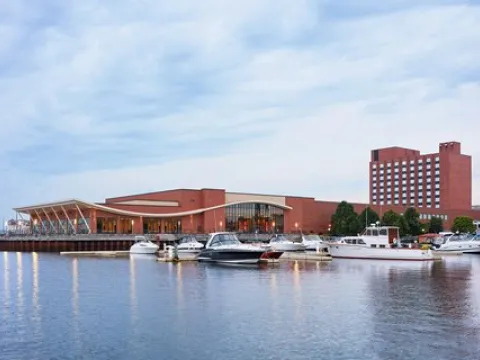
Discover why staying on the historic Charlottetown waterfront is ideal for first-time visitors, couples, families, and business travellers, with walkable access to the harbour, arts venues, dining, and conference hotels.
Why the historic Charlottetown waterfront is a smart place to stay
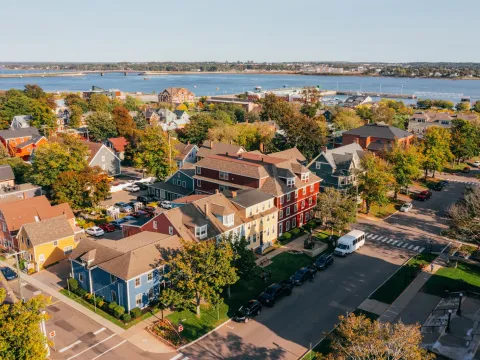
Red brick warehouses, church spires, and the harbour opening onto the Northumberland Strait – the historic Charlottetown waterfront concentrates the city’s best assets in a compact, walkable district. For travellers choosing a hotel in Charlottetown, this area offers the most atmospheric base, especially if you want to explore on foot and enjoy the city at night. You are within minutes of the Confederation Centre of the Arts, the marina, and the narrow streets that shaped historic Charlottetown.
Staying here suits guests who value character and context over isolation. You trade suburban quiet for the low murmur of the harbourfront boardwalk, the clink of glasses from nearby restaurants, and the occasional late-evening performance drifting from the arts district. For many, that is precisely the point. The waterfront district also makes logistics easy: taxis, harbour tours, and the main streets of downtown Charlottetown all radiate from this compact core.
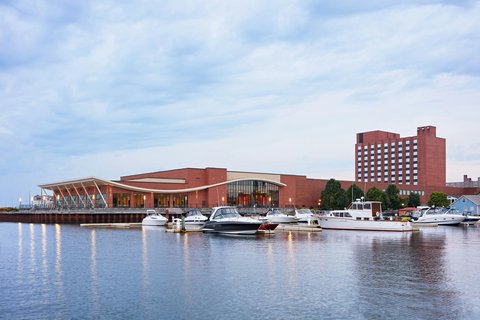
For a premium or luxury stay, the waterfront is where you find the highest concentration of full-service hotels great for both leisure and business. Representative properties include larger hotels comparable in scale to the Delta Hotels by Marriott Prince Edward, boutique-style inns similar to The Great George, and suites-based stays like The Holman Grand Hotel. Several properties integrate directly with a conference centre or offer inn conference facilities, making it practical if you are in town for meetings but still want to feel connected to Prince Edward Island’s maritime setting. If you are wondering whether this is the right area, the answer is simple: for a first stay in Charlottetown, it usually is.
Atmosphere and setting along the harbour
Harbour-front mornings feel different here. Fishing boats move quietly out of the marina while guests linger over breakfast in dining rooms that look toward the water or the slate roofs of historic Charlottetown. Walk two or three minutes along the boardwalk and you reach Peake’s Wharf, where the smell of salt, grilled seafood, and roasted coffee mixes in the air. It is not wilderness, but it is unmistakably maritime.
The streets behind the waterfront – notably Queen Street and the stretch of Great George Street that climbs toward Province House – form a compact grid of heritage buildings, small inns, and low-rise hotels. This district is where Charlottetown’s past and present overlap most clearly: 19th‑century façades now house galleries, an arts hotel or two, and restaurants that stay open late in summer. At night, the area feels lively but rarely overwhelming, with a steady flow of theatre-goers and harbour strollers.
Compared with more residential neighbourhoods, the waterfront district offers a denser mix of experiences within a 500 m radius. You can leave your room, walk down Great George Street, and be on the Charlottetown waterfront boardwalk in under five minutes, or turn inland toward the Confederation Centre for a performance. For travellers who like to structure their stay around walking rather than driving, this is the most convenient part of the city.
Noise by season and time of day
- Spring and autumn: Typically quieter, with moderate evening activity around the marina and Peake’s Wharf.
- Peak summer (July–August): Cruise calls, festivals, and patio dining can keep the waterfront lively until 11 pm or later, especially on weekends.
- Late night: Noise usually tapers off after midnight, but harbour-facing rooms closest to the boardwalk may still pick up occasional sounds from late diners and returning theatre-goers.
Types of properties: from classic inns to modern hotels
Choice along the historic Charlottetown waterfront falls into three broad categories: traditional inns, contemporary full-service hotels, and apartment-style suites. Each suits a different style of guest. Traditional inn options, often in restored heritage buildings, appeal to travellers who want creaking staircases, high ceilings, and rooms with individual character rather than standardized layouts. These inn suites in Charlottetown may offer fewer facilities but compensate with intimacy and a strong sense of place.
Modern hotels closer to the waterline tend to be larger, with elevators, fitness spaces, and direct access to a conference centre or meeting floors. Some belong to major chains – you will find a presence from brands comparable to Delta Hotels and similar – which can be reassuring if you prefer predictable room standards and a familiar style of service. These properties are usually the first choice for business travellers and for guests attending events at an inn conference venue or a downtown convention facility.
Apartment-style suites in Charlottetown, often in low-rise buildings a block or two back from the waterfront, work well for longer stays or families. Expect separate living areas, kitchenettes, and more generous storage space. The trade-off: you may be slightly farther from direct harbour views, but you gain the feeling of a small city apartment in historic Charlottetown. When comparing options, decide whether you value a classic inn atmosphere, the amenities of a larger stay hotel, or the independence of a suite.
Representative hotel styles on the waterfront
- Heritage inns: Smaller properties in historic buildings, often with fewer than 50 rooms and on-site breakfast rooms.
- Full-service hotels: Larger waterfront hotels with restaurants, bars, pools or fitness centres, and meeting floors.
- Suite-style stays: Apartment-inspired rooms with kitchenettes and separate living areas, ideal for multi-night visits.
Rooms, beds and what to expect inside
Rooms in the historic waterfront district tend to be compact but considered. In heritage inns, no two rooms are identical: one might have a sloped ceiling and dormer window over Great George Street, another a deep sill looking toward the harbour. Beds are usually the focal point, often with higher-end mattresses and layered linens that suit the cooler maritime nights. If sleep quality matters to you, pay close attention to room descriptions and recent guest reviews that mention the bed specifically.
Contemporary hotels in Charlottetown generally follow a more standardized layout: clean lines, neutral palettes, and functional workspaces. Many rooms include small seating areas, which become valuable on windy days when you prefer to watch the weather roll in over the Charlottetown waterfront rather than be out in it. Suites often add a separate living room, making them attractive for guests combining work and leisure or for families needing space to spread out.
Bathrooms vary widely between properties. In older inns, expect tighter footprints, sometimes with shower-only configurations, while newer hotels may offer larger vanities and more storage. Amenities are usually aligned with a premium positioning, but details differ, so it is worth checking photos carefully. If you are sensitive to noise, request a room facing an inner courtyard or side street rather than the busiest part of the waterfront district, where late-night activity can continue well past midnight in peak season.
Typical room features and layouts
- Standard rooms: Queen or king beds, compact desks, and windows facing either the harbour, city streets, or inner courtyards.
- Suites: Separate living areas with sofas or sofa beds, making them suitable for small families or work trips.
- Bathrooms: Mix of walk-in showers and shower-tub combinations, with toiletries that usually reflect a mid-range to upscale positioning.
Dining, breakfast and evenings on the waterfront
Breakfast culture is strong in Charlottetown. Many inns and hotels in the historic district include breakfast in the room rate, ranging from simple continental spreads to cooked-to-order plates featuring local ingredients from Prince Edward Island. Think eggs with Island potatoes, fresh-baked breads, and seasonal preserves. When breakfast is not included, you are rarely more than a two-minute walk from a café on Queen Street or near the harbour that opens early.
For lunch and dinner, the waterfront becomes the city’s dining spine. Restaurants line the boardwalk and nearby streets, serving everything from lobster rolls to contemporary Canadian menus. Staying in a Charlottetown inn or hotel here means you can step out for a late seating without worrying about transport back. On summer nights, patios fill quickly, and the atmosphere feels almost resort-like, though you are firmly in the heart of historic Charlottetown.
Evenings often revolve around the arts. The nearby Confederation Centre of the Arts anchors the cultural calendar, and several properties in the district cater to theatre-goers with early seatings or post-show drinks. If you prefer quieter nights, look for hotels slightly set back from the main waterfront promenade. Reviews from guests who mention noise levels at night can be particularly useful when choosing between a harbour-facing room and one on a calmer side street.
What to expect from food and nightlife
- Breakfast: Mix of buffet and à la carte options, with many hotels highlighting local produce and baked goods.
- Waterfront dining: Casual seafood spots, pubs, and bistros within a five- to ten-minute walk of most hotels.
- Evening entertainment: Theatre performances, live music on some patios, and relaxed harbourfront walks after dinner.
Location, access and how to choose the right spot
Orientation matters in this compact city. Properties closest to the actual Charlottetown waterfront boardwalk offer the most immediate harbour access but can feel busier, especially in July and August when cruise calls and festivals peak. Hotels a block or two inland, around Great George Street and the grid between Queen and Grafton, strike a balance between water views and calmer surroundings. Walking distances are short: from most waterfront hotels, you can reach Province House in under 10 minutes.
For business travellers, proximity to a conference centre or major meeting venue may outweigh a direct harbour view. Several larger hotels integrate meeting floors, ballrooms, and inn conference facilities, making them efficient bases if your schedule is packed. Leisure guests, by contrast, often prioritize being near the arts district, restaurants, and the marina for boat tours around Prince Edward Island. In that case, a hotel Charlottetown location right in the historic core is ideal.
When comparing options, focus less on headline price per night and more on what is included. Some properties offer free parking, breakfast, or access to small wellness facilities, which can change the overall value of the stay. Others may have higher rates but consistently good reviews for service, cleanliness, and room comfort. For a premium experience, it is usually worth choosing the hotel that aligns most closely with your priorities – whether that is a quiet bed, a harbour-facing room, or immediate access to Charlottetown’s great restaurants and cultural venues.
Conference facilities and getting around
- Meeting spaces: Larger waterfront hotels often include multiple meeting rooms and ballrooms suitable for small to mid-sized conferences.
- Walking times: Most key downtown sights, including the Confederation Centre and the marina, sit within a 5–12 minute walk of the main hotel cluster.
- Transport: Taxis and rideshares are easy to arrange from hotel lobbies, and many tours depart directly from the harbourfront.
Who the historic Charlottetown waterfront suits best
First-time visitors to Prince Edward Island benefit most from staying on the historic waterfront. You gain an immediate sense of place, with the city’s political history, maritime heritage, and contemporary arts scene all within a short walk. Couples often gravitate toward smaller inns or characterful hotels on or near Great George Street, where the streets feel intimate and the architecture frames evening walks particularly well.
Business travellers and conference delegates tend to prefer larger properties with direct links to a conference centre or with extensive meeting facilities. These hotels great for events may not have the same old-world charm as a small inn, but they deliver efficiency: quick check-in, reliable room standards, and easy access to the main commercial streets. If your schedule is tight, that convenience can matter more than a view.
Families and longer-stay guests usually find the best fit in suites-style accommodation in Charlottetown, where separate living areas and kitchenettes make day-to-day life easier. Being able to prepare a simple breakfast in your room before heading out to explore the rest of Prince Edward Island can be a quiet luxury in itself. Ultimately, the historic Charlottetown waterfront is not the cheapest part of the city, but for travellers who value atmosphere, walkability, and a strong sense of local character, it is the area that feels most like Charlottetown at its best.
Are hotels on the historic Charlottetown waterfront a good choice for first-time visitors?
Yes, hotels on the historic Charlottetown waterfront are an excellent choice for first-time visitors because they place you within walking distance of the harbour, the main arts venues, and the heritage streets that define the city. You can explore most of downtown without a car, enjoy the boardwalk at different times of day, and easily access restaurants, theatres, and boat tours. For a first impression of Charlottetown, this district offers the most complete experience.
What should I check before booking a hotel in the Charlottetown waterfront district?
Before booking, verify the exact location in relation to the boardwalk and main streets, as some properties market themselves as waterfront while actually being a block or two inland. Check recent guest reviews for comments on noise at night, bed comfort, and breakfast quality, since these factors strongly affect overall satisfaction. It is also worth confirming what is included in the rate – such as parking or breakfast – to better compare the real value between hotels.
Is the historic Charlottetown waterfront noisy at night?
The historic Charlottetown waterfront can be lively at night in peak season, especially near the boardwalk, patios, and performance venues. If you are sensitive to noise, consider a room facing an inner courtyard or a quieter side street rather than directly onto the busiest harbourfront areas. Reading reviews that mention sleep quality and noise levels will help you identify which properties and room types are best for a quieter stay.
Are there good options for families near the Charlottetown waterfront?
Yes, families will find good options near the Charlottetown waterfront, particularly in hotels and inns that offer suites with separate living areas or kitchenettes. These spaces provide flexibility for early bedtimes, simple in-room meals, and extra storage for strollers or beach gear if you are exploring Prince Edward Island. The central location also means shorter walks to attractions and easier returns to the room for rest breaks.
Is the Charlottetown waterfront convenient for business and conferences?
The Charlottetown waterfront is convenient for business travellers because several larger hotels in the district integrate or sit close to conference centres and meeting venues. You can attend sessions, schedule informal meetings in nearby cafés or hotel lounges, and still enjoy the harbourfront setting between commitments. For delegates who value both efficiency and a sense of place, this area offers a strong balance.