For most Americans the answer is July through early September, and the reason is access rather than weather: Moraine Lake Road in Banff is only open 1 June to 12 October 2026, and the St. Lawrence whale boats run from early May to late October. Statistics Canada counted 3.0 million US-resident trips in June 2026 against 1.1 million in January, so the quiet months are the cold ones. Skip late June to Labour Day if you want space. Vancouver is the outlier: it takes 171 rain days a year, almost all of them outside summer. Start planning on My Canadian Stay.
At a glance
- Best overall window: mid-June to late September. Mountain roads open, whale boats running, long daylight.
- Best value and fewest crowds: January to March, outside ski resorts. US-resident trips fell to 1.1 million in January 2026 (Statistics Canada).
- Mountain access is dated, not seasonal. Moraine Lake Road opens for the season on 1 June and closes 12 October 2026, and personal vehicles are banned year round.
- Vancouver and Toronto are two different countries in winter. January averages 44 °F (6 °C) in Vancouver and 31 °F (-1 °C) in Toronto.
- Quebec City is the coldest big city on this list, at 21 °F (-6 °C) in January, which is exactly why Carnaval works there.
- Northern lights run mid-August to mid-April, with the best hours between 10 p.m. and 3 a.m. (Travel Yukon).
- Polar bears at Churchill concentrate mid-October to mid-November, when Hudson Bay starts to freeze (Travel Manitoba).
- US citizens do not strictly need a passport by land, though the Canada Border Services Agency recommends travelling with one.
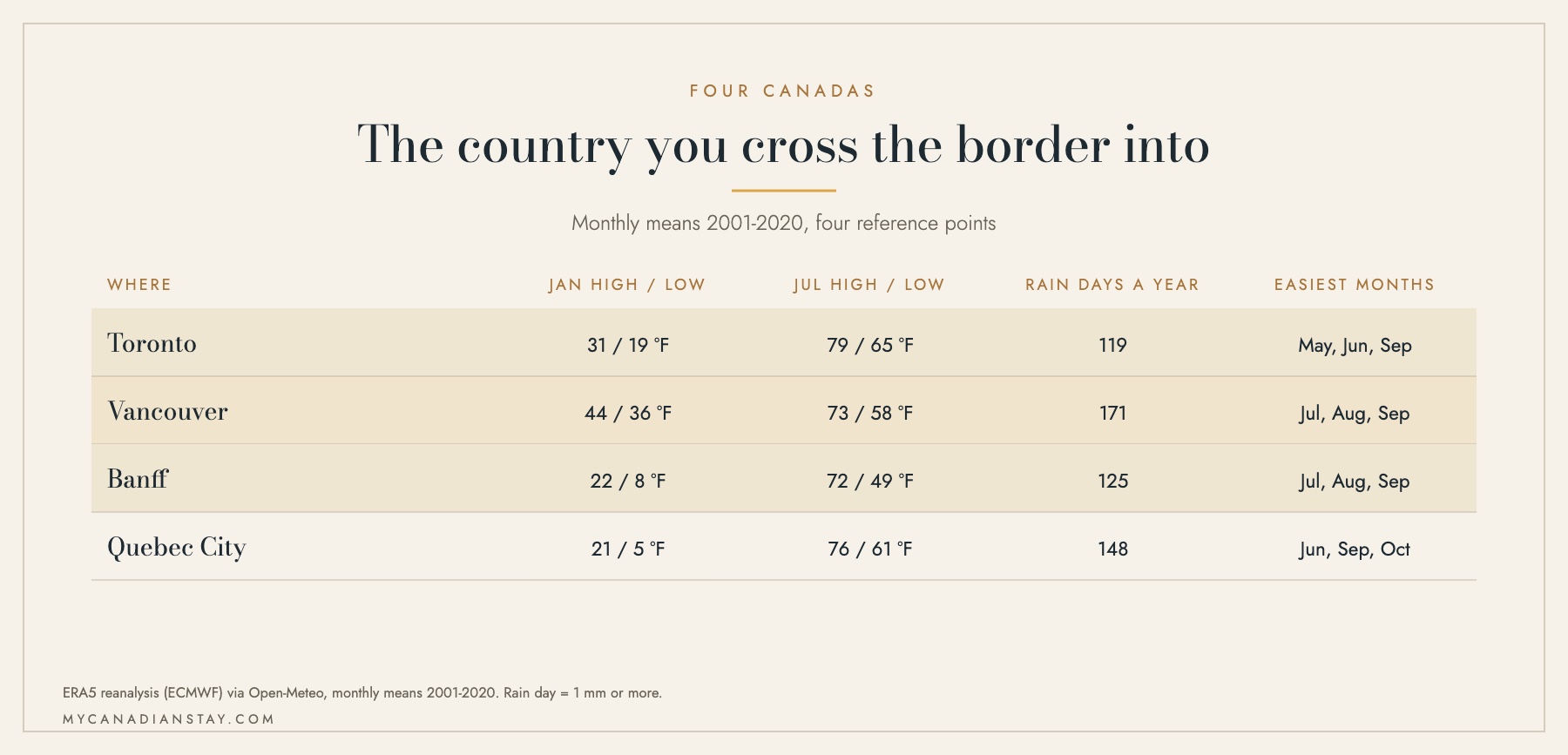
Four reference points, four different Canadian years. ERA5 monthly means 2001-2020.
Understanding the climate: four Canadas
Canada is not one cold country. The four reference points below sit in genuinely different climates, and the numbers below come from ERA5 reanalysis monthly means for 2001 to 2020.
Vancouver has the mildest winter of any major Canadian city and the wettest year on this list at 171 rain days. It is a Pacific Northwest climate, the same one Seattle has, and it turns dry in summer: July records only 5.9 rain days, fewer than any month in Toronto.
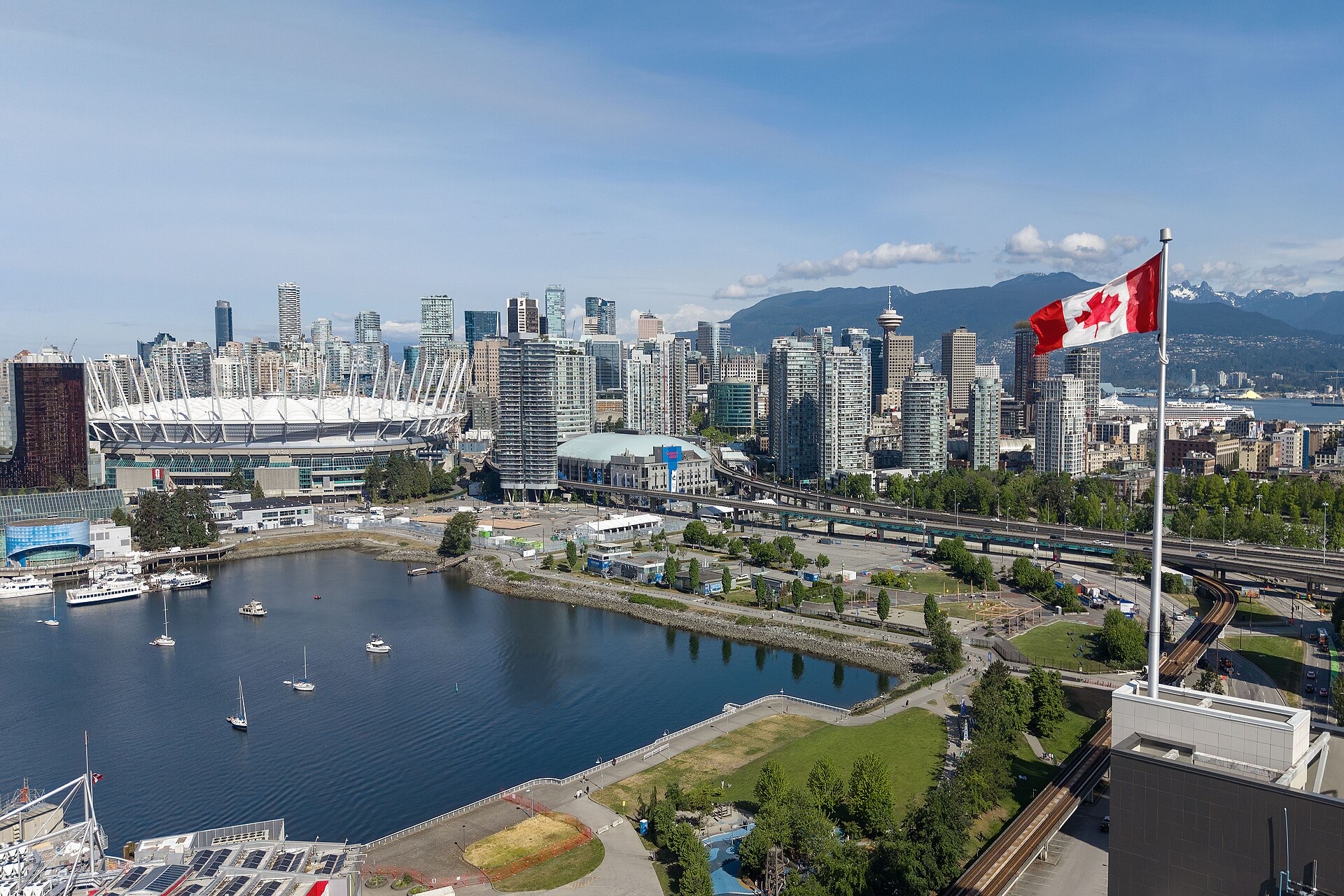
Vancouver in May. The mildest winter in the country and the driest July of the four cities on this page. Photo : Quintin Soloviev, Wikimedia Commons, CC BY 4.0.

Toronto is the closest Canadian equivalent to the American Great Lakes cities. Its January average high of 31 °F (-1 °C) is almost identical to Chicago's, and its July high of 79 °F (26 °C) is six degrees cooler. Rain is spread across the year at 119 days, with no dry season.
Banff is a mountain climate at altitude in the Alberta Rockies. January averages 22 °F (-6 °C) by day and 8 °F (-13 °C) at night. July reaches 72 °F (22 °C), but with a 49 °F (10 °C) overnight low that catches summer visitors out. June is the wettest month of its year, at 18 rain days.
Quebec City has the hardest winter and a warm, humid summer: 21 °F (-6 °C) in January, 76 °F (25 °C) in July. It also carries 148 rain days a year, and much of the winter total falls as snow between December and March.
Two further climates sit outside this table. The Atlantic provinces, from Halifax to St. John's, run cool and foggy through spring and peak in August and September. The North, from Whitehorse to Yellowknife and Churchill, is the aurora and wildlife country, and it operates on a calendar of its own.
Summer, June to August: when Canada is fully open
Summer is when access opens rather than when the weather is simply best. Parks Canada opens Moraine Lake Road for the season on 1 June, closing it on 12 October 2026; the road is shut to personal vehicles all year, so the lake is reached by Parks Canada shuttle, transit or licensed tour, booked in advance.
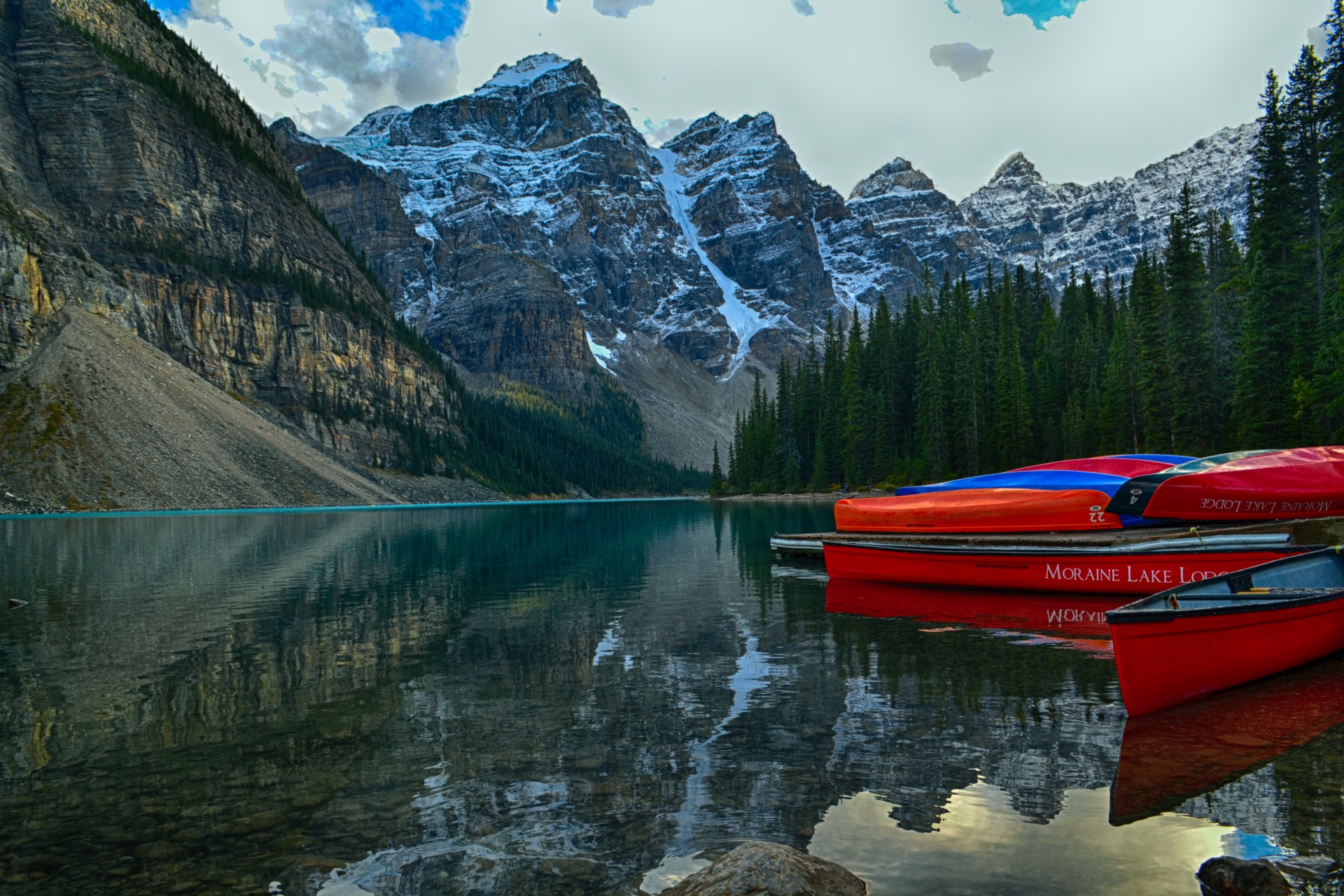
Moraine Lake, Banff National Park, in August. The road is open to shuttles only, from 1 June to 12 October 2026. Photo : Umair Khan, Wikimedia Commons, CC BY-SA 4.0.
Statistics Canada recorded 3.0 million US-resident trips into Canada in June 2026, up 6.1 percent on June 2025. That is the crowd you are joining. Lake Louise parking, the Icefields Parkway and the Banff townsite all fill.
Temperatures stay moderate by American standards. Toronto's July high of 79 °F (26 °C) is below Chicago's, Vancouver's 73 °F (23 °C) is close to Seattle's, and Banff peaks at 72 °F (22 °C). What surprises Americans is the night: Banff drops to 49 °F (10 °C) in July, and mountain campsites feel it.
- Book Moraine Lake shuttles, Icefields Parkway lodges and Banff hotels months ahead.
- Pack a fleece and a rain shell for the Rockies even in July.
- Canada Day falls on 1 July and closes government offices and many businesses.
- Black flies and mosquitoes peak in June in the boreal forest and the Laurentians.
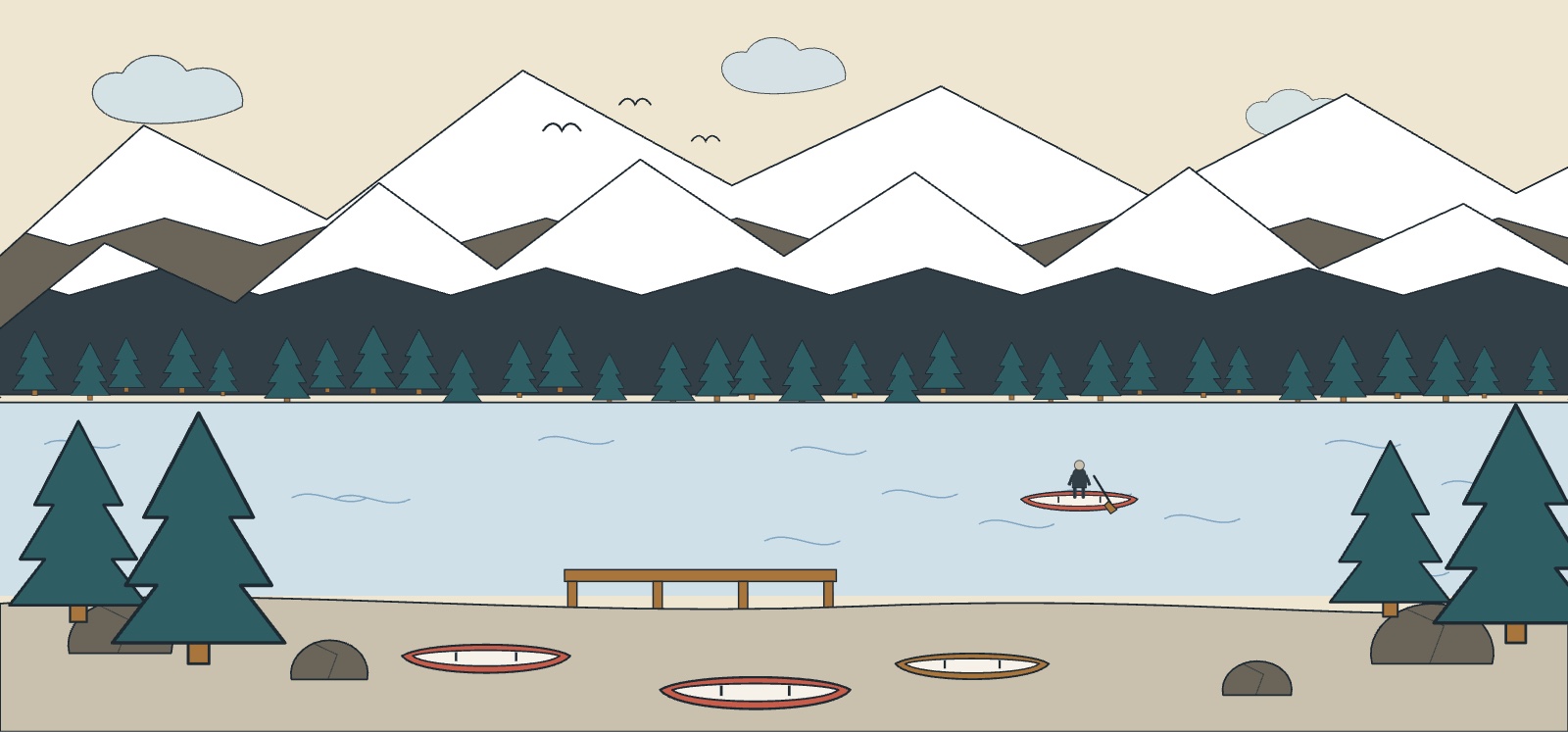
The Rockies summer: six weeks of full access, and a shuttle booking made months earlier. Illustration : Top Luxury Hotel Bookings in Canada.
Fall, September to October: the quiet month that still works
September is the month with the best ratio of access to crowds. Moraine Lake Road stays open until 12 October, whale boats run to the end of October, and the summer traffic thins after Labour Day. Toronto averages 71 °F (22 °C) in September, Quebec City 67 °F (20 °C), and Banff 60 °F (16 °C).
Quebec and Ontario produce the sharpest color in Canada, running through late September and October. Quebec City's October high of 53 °F (12 °C) suits walking, and the city records around 13 rain days that month.
Churchill, Manitoba runs its wildlife season in exactly this window. Travel Manitoba puts the prime viewing period at mid-October to mid-November, when bears gather on the Hudson Bay coast waiting for the ice, and recommends booking around a year ahead.
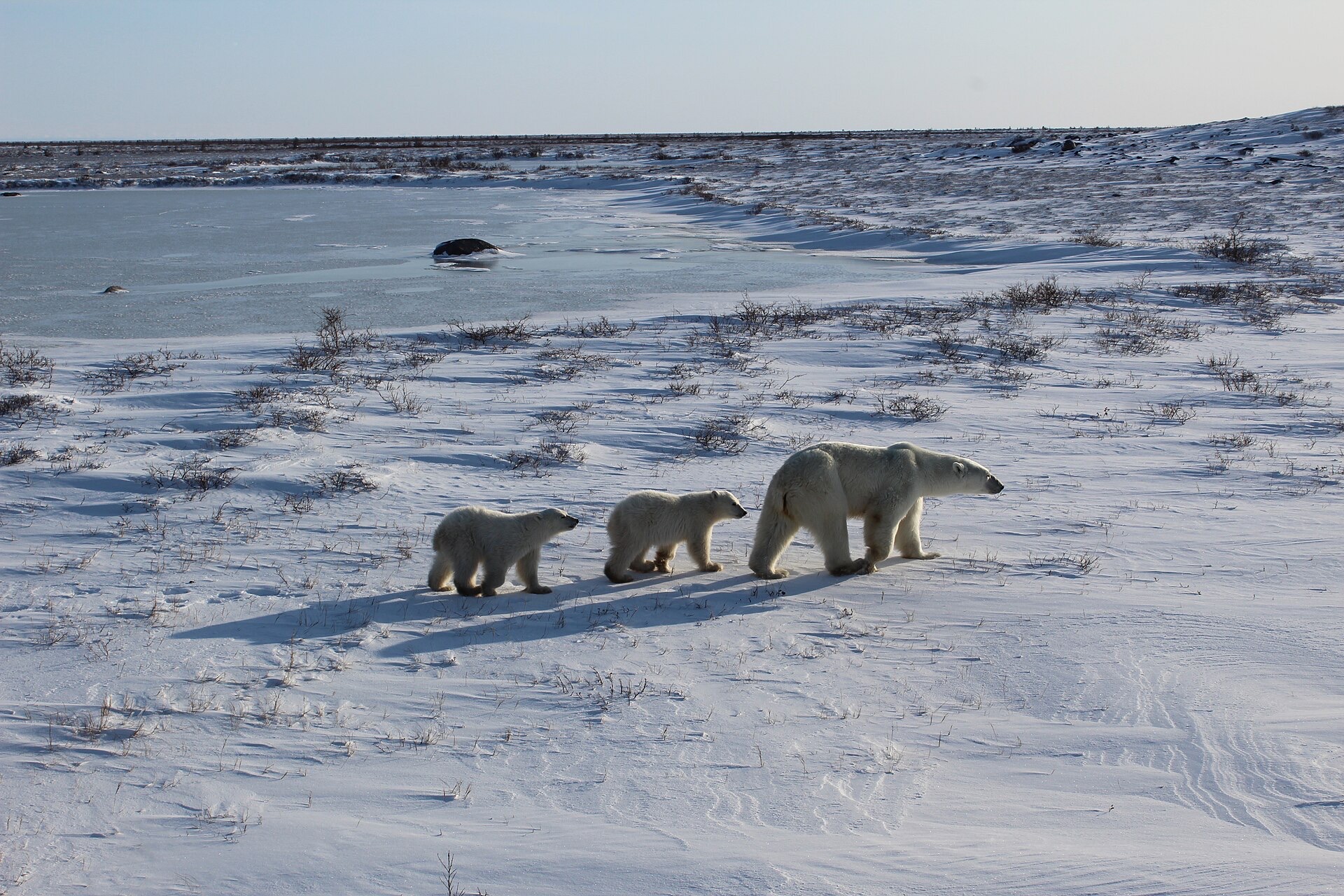
A mother and two cubs on the tundra near Churchill, Manitoba, in early November. Photo : Candice M., Wikimedia Commons, CC BY 4.0.

- Canadian Thanksgiving falls on the second Monday of October and fills mountain and cottage towns.
- Moraine Lake Road closes right after that weekend, on 12 October in 2026.
- Whale departures from Tadoussac thin out through October and stop at the end of the month.
- Snow tires become compulsory in Quebec from 1 December, but mountain passes can see snow in September.
Winter, November to March: the case for going anyway
Winter is the season Americans skip and the season that separates Canada from the northern United States. Statistics Canada counted 1.1 million US-resident trips in January 2026, a third of the June figure.
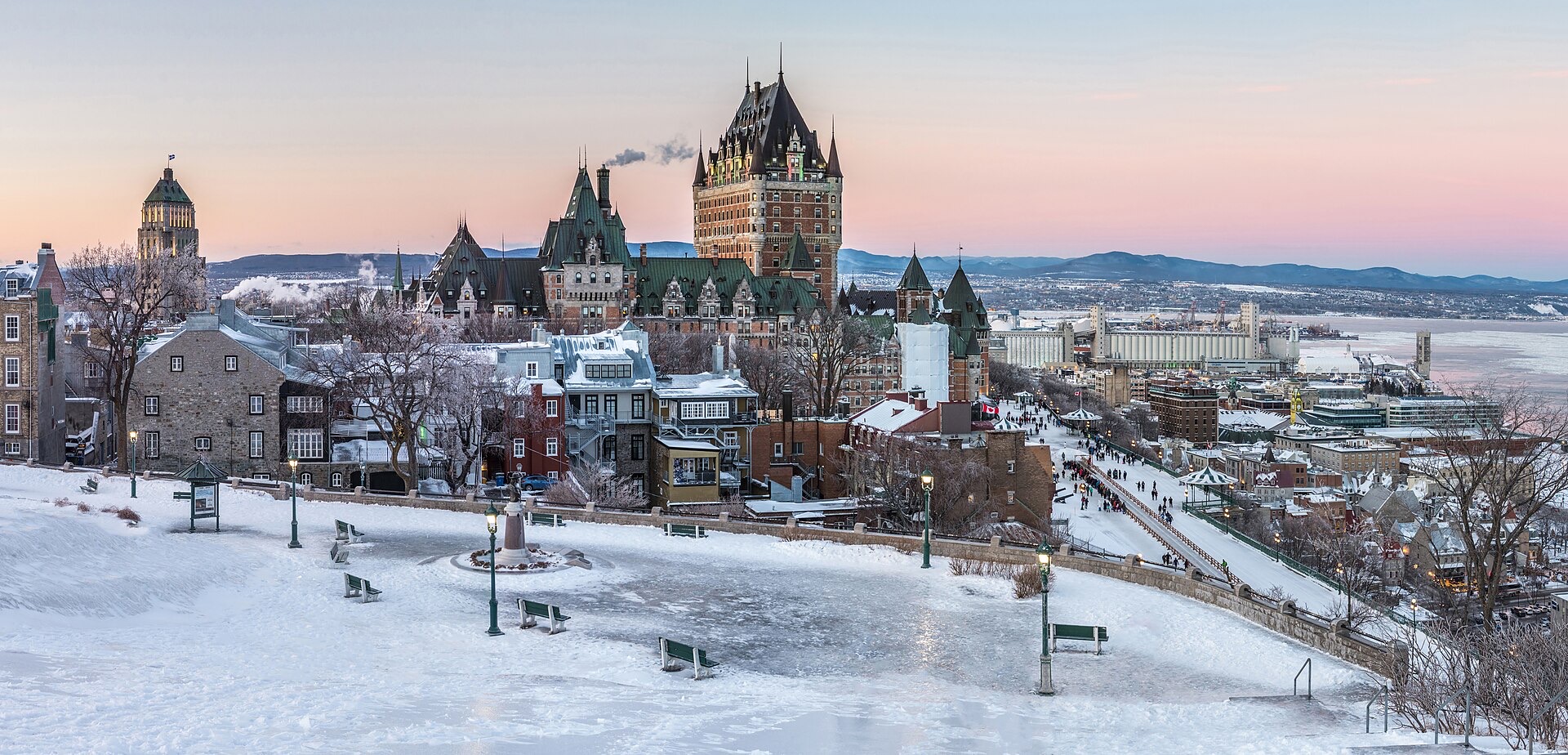
Old Quebec and the Chateau Frontenac in late December, above the ice on the St. Lawrence. Photo : Wilfredor, Wikimedia Commons, CC BY-SA 4.0.

Quebec City is the strongest winter city on the continent, with 21 °F (-6 °C) average highs in January and a built environment made for it. Carnaval runs in early February. Old Quebec under snow is the closest thing to a European winter you can drive to from Boston or New York.
Quebec City in winter, the one Canadian city that gets better as the temperature falls. Illustration : Top Luxury Hotel Bookings in Canada.
The Rockies and the Coast Mountains carry the ski half. Banff averages 19 °F (-7 °C) by day in December and 22 °F (-6 °C) in January, dry cold rather than damp. Whistler, two hours from Vancouver, works on Pacific snow, heavier and warmer.
The North is the aurora season. Travel Yukon gives a viewing season from mid-August to mid-April, split into an autumn window from mid-August to mid-October and a winter window from mid-October to early April, with the best hours between 10 p.m. and 3 a.m. on dark, clear, moonless nights.
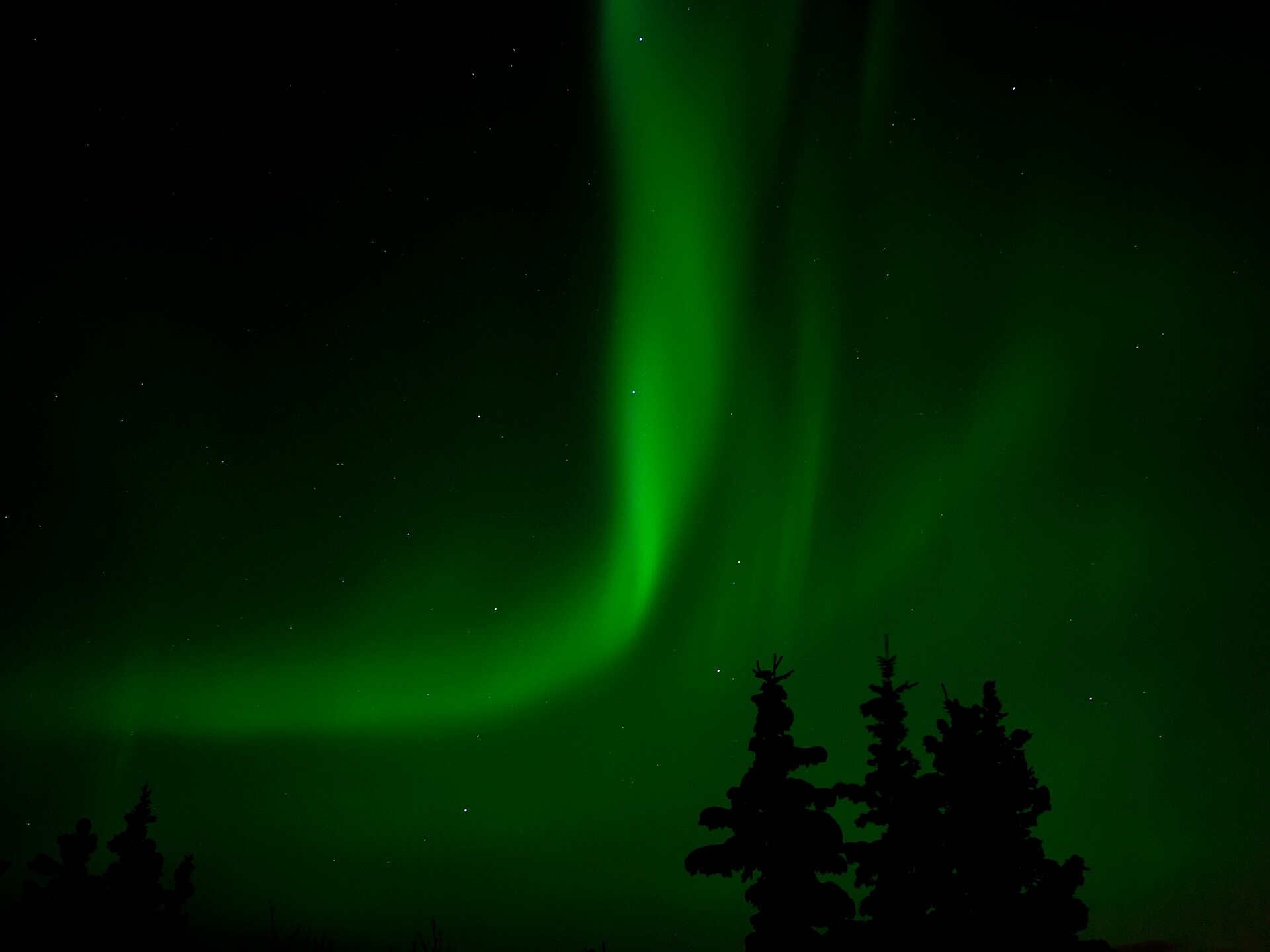
Aurora near Whitehorse, Yukon, in January. Travel Yukon puts the viewing hours between 10 p.m. and 3 a.m. Photo : Anthony DeLorenzo, Wikimedia Commons, CC BY 2.0.

- Vancouver is the winter exception at 44 °F (6 °C), but it takes 19.4 rain days in December.
- Toronto and Montreal keep their airports running through snow; regional flights to the North do not always.
- Expect very short days: Whitehorse gets under six hours of daylight around the solstice.
- Dress for the overnight low, not the daytime high, anywhere east of the Rockies.
Spring, April to May: the awkward season
Spring is the weakest window in Canada, and it is worth saying plainly. Mountain roads have not opened, lakes are still frozen or just thawing, and the lowlands are wet. Banff averages 43 °F (6 °C) in April with 11 rain days, and Lake Louise is usually still iced over through April and May.
The exceptions are real, though. Vancouver blooms early and dries out fast, moving from 16.4 rain days in April to 11.6 in May. Niagara Falls runs at full flow with spring meltwater and without summer queues. Victoria Day, on the Monday before 25 May, is the first long weekend of the Canadian year and the point at which seasonal hotels and attractions reopen.
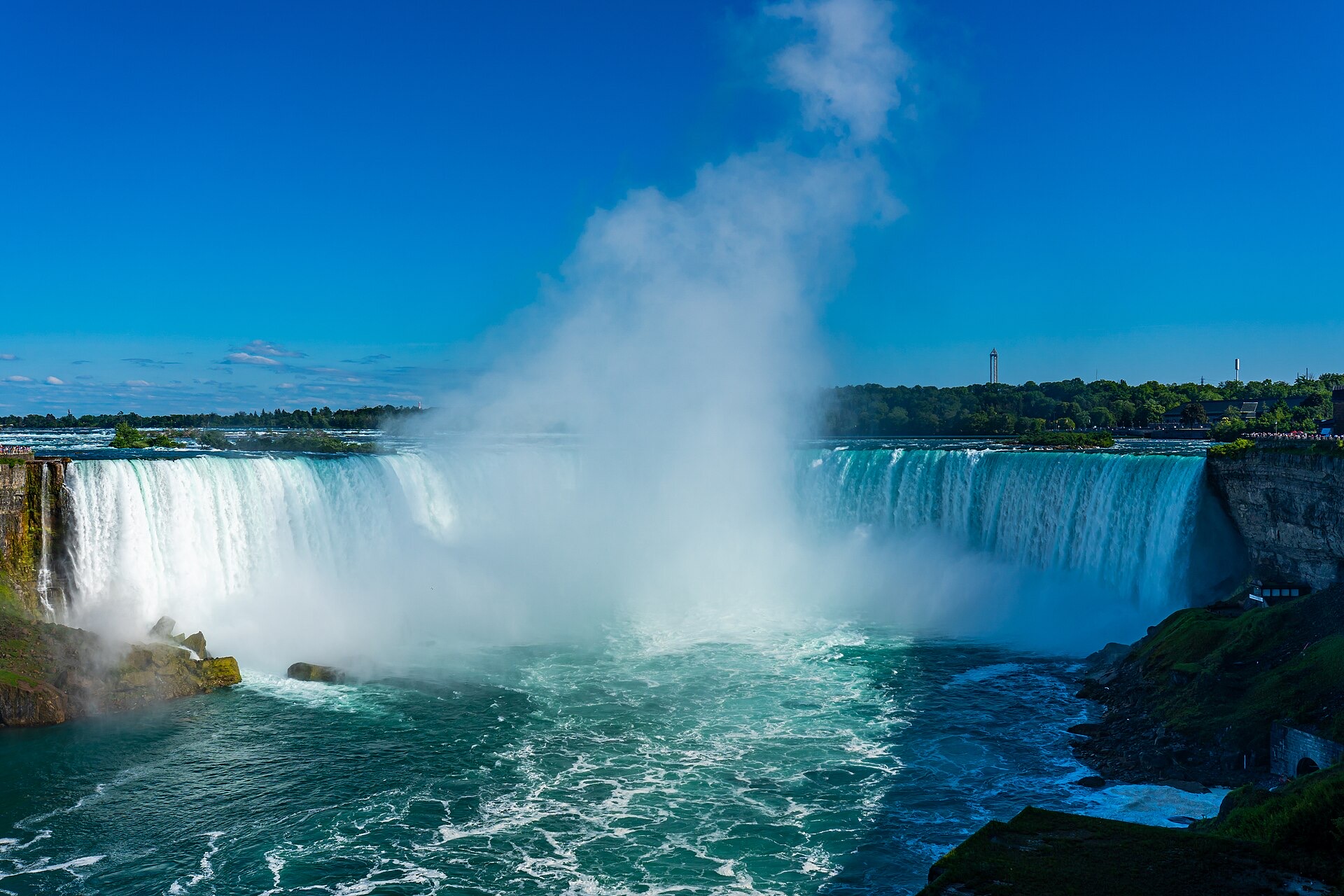
The Horseshoe Falls from the Ontario side in June, at high meltwater flow. Photo : Maksimsokolov, Wikimedia Commons, CC BY-SA 4.0.

- May is the first month the whole country is above freezing by day.
- Whale watching on the St. Lawrence starts in early May, at low volume.
- The Rockies in May means valley hikes and closed high trails.
- Toronto and Montreal patios open in May; the water does not warm until July.
Canada month by month
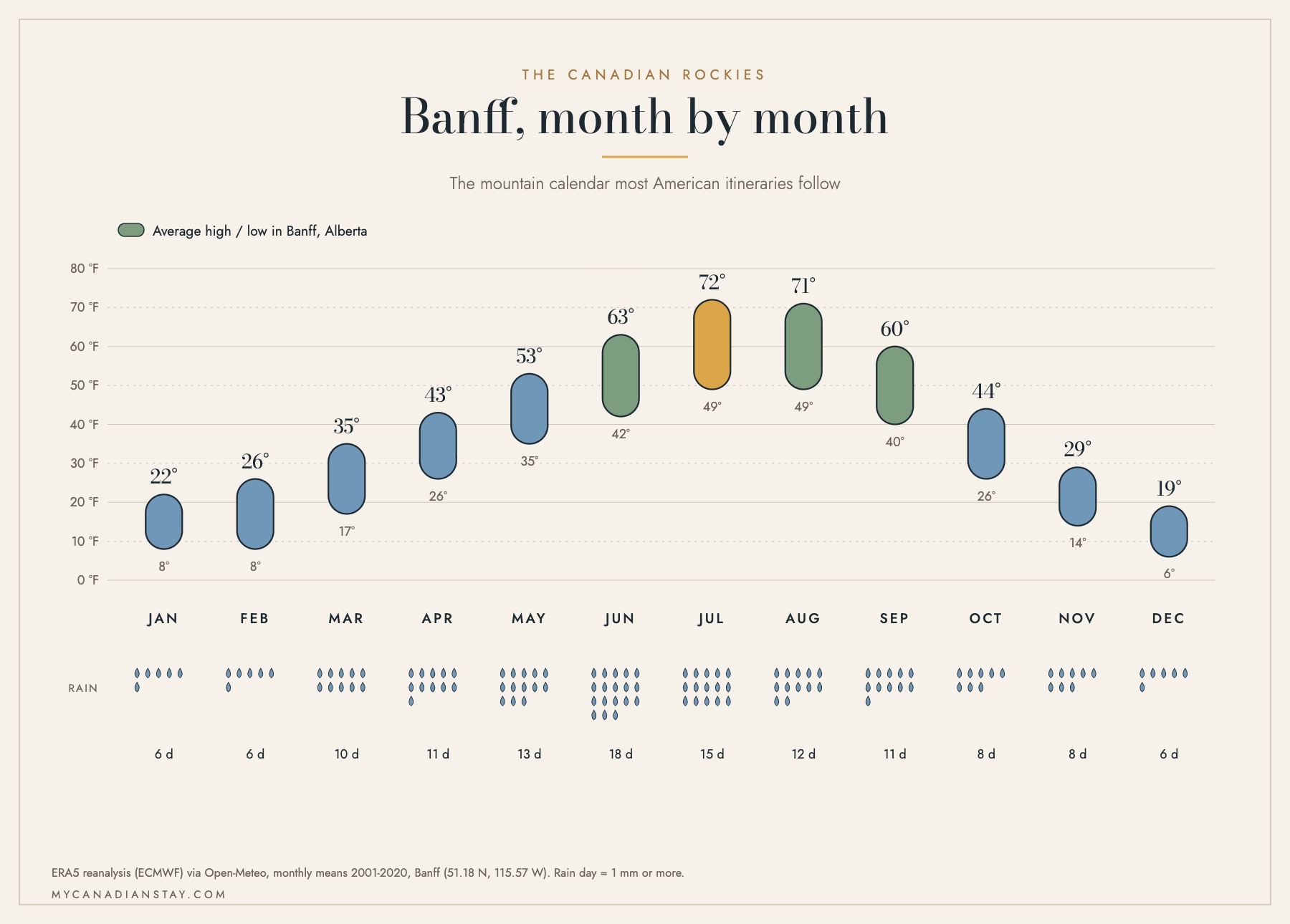
Banff, Alberta. ERA5 monthly means 2001-2020, rain day = 1 mm or more.
Average daily high and low, in °F with °C in parentheses. The rain day column pairs Vancouver with Toronto, the wettest and the most visited of the four.
| Month | Toronto | Vancouver | Banff | Quebec City | Rain days Van / Tor | Verdict |
|---|---|---|---|---|---|---|
| January | 31/19 (-1/-7) | 44/36 (6/2) | 22/8 (-6/-13) | 21/5 (-6/-15) | 19.0 / 9.1 | Cheapest, coldest, snowiest |
| February | 32/18 (0/-8) | 45/35 (7/2) | 26/8 (-4/-13) | 24/8 (-5/-13) | 15.6 / 8.7 | Carnaval, ski, quiet |
| March | 39/26 (4/-4) | 49/38 (9/3) | 35/17 (2/-8) | 34/18 (1/-8) | 19.6 / 9.4 | Spring skiing, muddy cities |
| April | 51/36 (10/2) | 55/42 (13/5) | 43/26 (6/-3) | 47/30 (9/-1) | 16.4 / 10.8 | Thaw, mountains closed |
| May | 62/47 (17/9) | 62/48 (17/9) | 53/35 (12/1) | 63/45 (17/7) | 11.6 / 10.7 | Cities open, lakes frozen |
| June | 72/58 (22/15) | 67/53 (19/12) | 63/42 (17/5) | 72/55 (22/13) | 10.4 / 10.9 | Roads open, bugs out |
| July | 79/65 (26/18) | 73/58 (23/15) | 72/49 (22/10) | 76/61 (25/16) | 5.9 / 10.6 | Peak crowds, driest west |
| August | 78/65 (26/18) | 74/59 (23/15) | 71/49 (22/9) | 74/59 (24/15) | 6.5 / 9.1 | Warm water, aurora returns |
| September | 71/59 (22/15) | 67/55 (19/13) | 60/40 (16/4) | 67/52 (20/11) | 11.2 / 8.8 | Best all-round month |
| October | 58/48 (15/9) | 57/47 (14/8) | 44/26 (7/-3) | 53/41 (12/5) | 16.1 / 11.1 | Color, bears, closures |
| November | 47/37 (8/3) | 48/40 (9/4) | 29/14 (-2/-10) | 40/28 (4/-2) | 19.2 / 9.8 | Grey, cheap, pre-ski |
| December | 36/27 (3/-3) | 42/35 (6/2) | 19/6 (-7/-15) | 27/13 (-3/-10) | 19.4 / 10.4 | Snow, holidays, short days |
Sources: ERA5 reanalysis (ECMWF) via Open-Meteo, monthly means 2001-2020, for Toronto, Vancouver, Banff and Quebec City. A rain day is a day with 1 mm or more, the same definition for every column. Access dates: Parks Canada. Visitor volumes: Statistics Canada, travel between Canada and other countries.
The best time for what you want to do
The Canadian Rockies
Late June to late September. Moraine Lake Road runs 1 June to 12 October 2026 and takes no private cars, so you are on a Parks Canada shuttle or a licensed tour either way. July and August are the only months Banff stays above 70 °F (21 °C) by day. September gives the same access with thinner traffic.
Whale watching
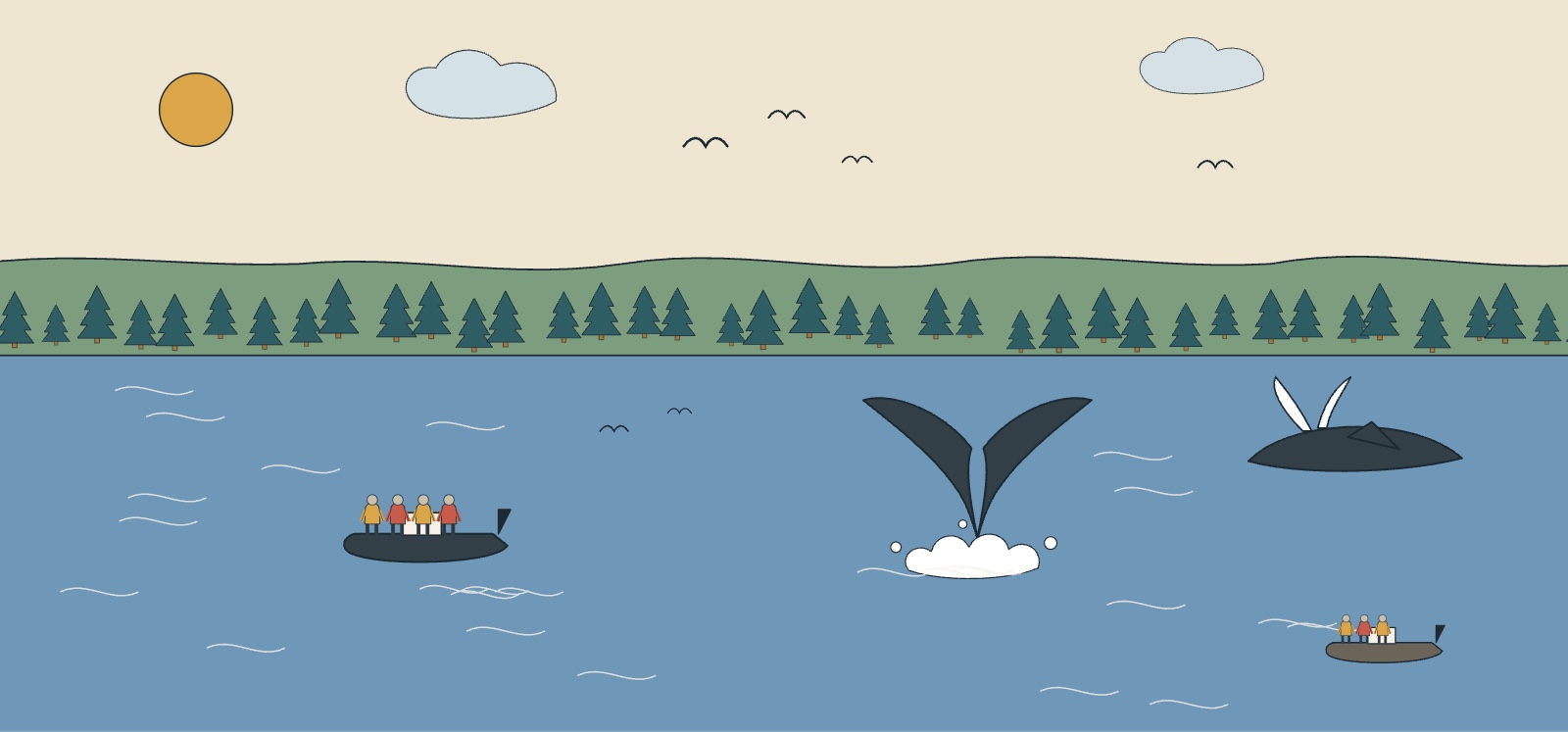
Late June to early September for frequency, May and October for space. Parks Canada says operators in the Saguenay-St. Lawrence Marine Park run from early May to the end of October, with high season from late June to early September. Belugas and minke whales are the reliable sightings from Tadoussac and Pointe-Noire.
Northern lights
Mid-August to mid-April, between 10 p.m. and 3 a.m. Travel Yukon splits the season into an autumn window from mid-August to mid-October, with milder nights and fall color, and a winter window from mid-October to early April. Clear, moonless nights matter more than the month.
Polar bears
Mid-October to mid-November at Churchill, when Hudson Bay begins to freeze and the bears gather on the coast. Travel Manitoba advises booking around a year ahead, because tundra vehicle and lodge capacity is fixed and small.
Whale watching on the St. Lawrence runs from early May to the end of October. Illustration : Top Luxury Hotel Bookings in Canada.
Cities
May, June and September. Toronto at 71 °F (22 °C) in September, Montreal and Quebec City in the same range, Vancouver at 67 °F (19 °C) with only 11.2 rain days. Winter city breaks work in Quebec City and Montreal, which are built for it, better than in Toronto.
Skiing
January to March. Banff and Lake Louise hold dry cold and reliable base; Whistler takes heavier coastal snow and sits two hours from Vancouver airport. Late December is crowded and early in the season.
Value
January, February and November. US-resident trips hit their floor at 1.1 million in January 2026 against 3.0 million in June, and Canadian resort towns price accordingly outside the ski corridors.
Events and dates that shape the year
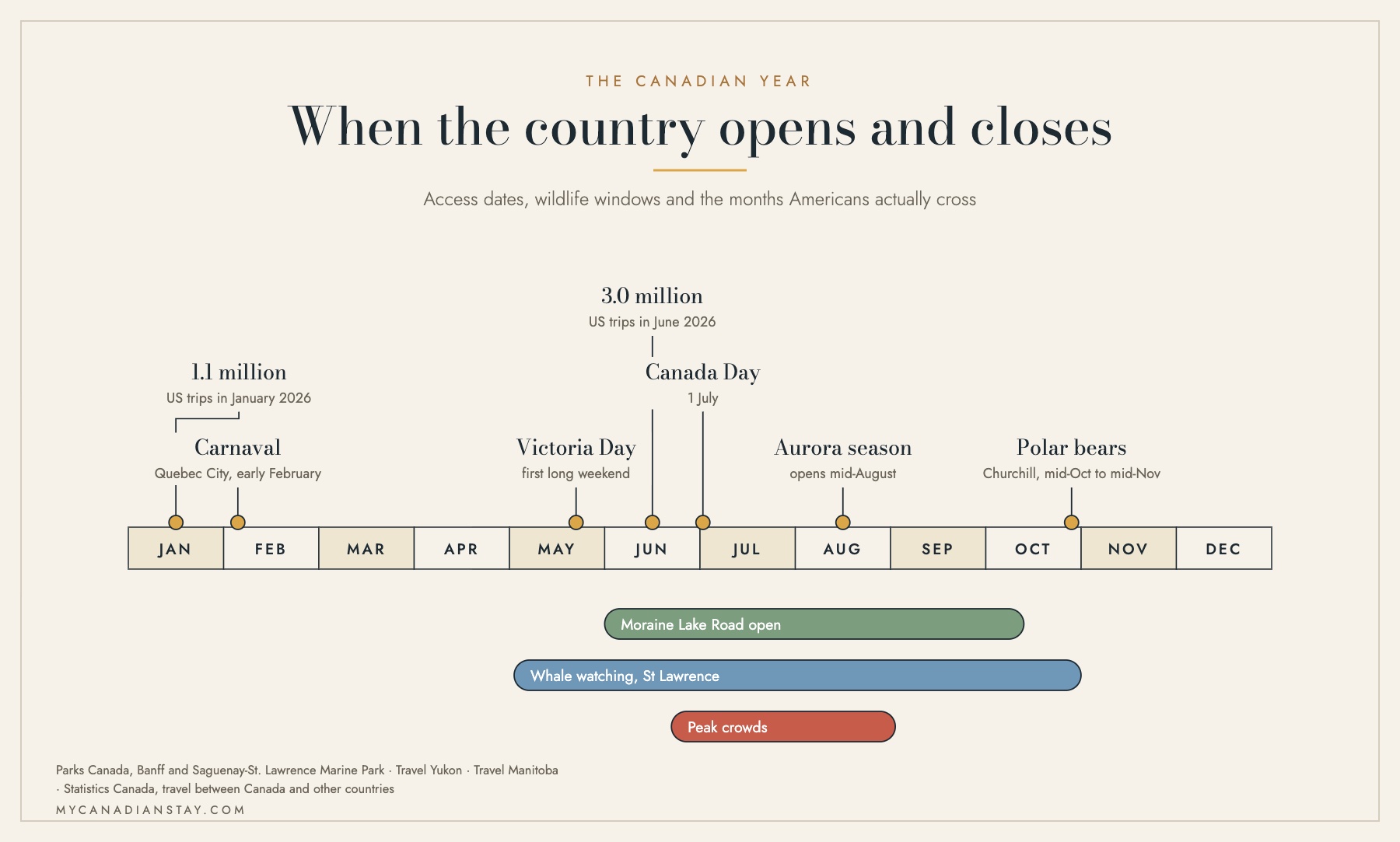
When Canada opens and closes, and when Americans actually cross.
- Early February: Carnaval de Québec. The reason to be in a city that averages 24 °F (-5 °C) that month.
- Monday before 25 May: Victoria Day. The first Canadian long weekend, and the reopening date for many seasonal properties.
- 1 June: Moraine Lake Road opens for the 2026 season.
- 1 July: Canada Day. A national holiday, with closures and full hotels.
- Mid-August: the aurora season opens in the Yukon and the Northwest Territories.
- First Monday of September: Labour Day. The end of Canadian peak season, as in the United States.
- Second Monday of October: Canadian Thanksgiving, six weeks before the American one.
- 12 October 2026: Moraine Lake Road closes for the season.
- Mid-October to mid-November: polar bear season at Churchill.
Where to stay
Canada rewards picking the region for the month rather than the other way round. These pages collect the properties in each:
- Hotels in Banff: the base for the Moraine Lake and Lake Louise window, June to early October.
- Hotels in Quebec City: the winter city break, and the closest walkable old town to the US Northeast.
- Hotels in Vancouver: the mildest winter in the country and the driest July of the four.
- Hotels in Whistler: ski season from December to April, mountain biking from June.
- Hotels in Niagara Falls: highest water in spring meltwater season, smallest queues outside July and August.
- Hotels in Whitehorse: the aurora base, from mid-August through the winter.
More context in our guide to Canada's top destinations.
FAQ
What month is best to visit Canada?
September is the best single month for most trips. Moraine Lake Road stays open until 12 October, whale boats run to the end of the month, and Toronto averages 71 °F (22 °C) with fewer rain days than July. If your trip is built around the Rockies or northern wildlife, July and October respectively beat it.
What is the cheapest time to visit Canada?
January to March, outside the ski resorts. Statistics Canada counted 1.1 million US-resident trips in January 2026 against 3.0 million in June, a two thirds fall in demand. Cities such as Toronto, Montreal and Halifax are at their quietest, while Banff and Whistler stay expensive because that is their high season.
What part of Canada has the best weather year round?
Southern British Columbia, and Vancouver and Victoria in particular. Vancouver averages 44 °F (6 °C) in January, the mildest of any major Canadian city, and 73 °F (23 °C) in July. The trade is rain: 171 rain days a year against 119 in Toronto, concentrated between October and April.
Is Canada colder than the northern United States?
In the same latitude band, only slightly. Toronto's January average high of 31 °F (-1 °C) is within a degree of Chicago's. The difference appears further north and east: Quebec City averages 21 °F (-6 °C) in January, and Banff drops to 8 °F (-13 °C) overnight, which is colder than Denver.
Do Americans need a passport to visit Canada?
Not strictly by land, though it is the simplest document. The Canada Border Services Agency says US citizens must prove identity and citizenship and recommends travelling with a valid passport, while accepting alternatives such as a US enhanced driver's licence, a birth certificate with photo ID, or a NEXUS card at designated lanes.
When can you see the northern lights in Canada?
From mid-August to mid-April, according to Travel Yukon, with two distinct windows: autumn from mid-August to mid-October, milder and with fall color, and winter from mid-October to early April. The viewing hours are 10 p.m. to 3 a.m., and dark, clear, moonless skies matter more than the calendar month.
When is the best time to see polar bears in Canada?
Mid-October to mid-November at Churchill, Manitoba. Travel Manitoba explains that bears gather along the Hudson Bay coast as the bay begins to freeze, before heading onto the sea ice to hunt seals in late November and early December. Tours sell out, and booking around a year ahead is standard.
When is the worst time to visit Canada?
April and early May, for most itineraries. Mountain roads are still closed, lakes are frozen or thawing, and the lowlands are at their muddiest. Banff averages 43 °F (6 °C) in April with 11 rain days. The exceptions are Vancouver, which dries out early, and Niagara Falls at full meltwater flow.